Describe what you have noticed
Burnt Oak, Barnet
Subsidence in Burnt Oak: where cracks start
A crack in a 1930s semi or a sticking door in a later infill build can mean the ground beneath is moving. The specialist firms taking enquiries here understand Burnt Oak housing and what the clay below it does to shallow footings.
- Specialists who know interwar estates
- No obligation to proceed
- Clear next steps for your home

How specialists deal with subsidence in Burnt Oak
Each method suits different ground conditions and house types. A structural specialist will determine which approach fits the soil, the footing depth and the scale of movement affecting your home.
-
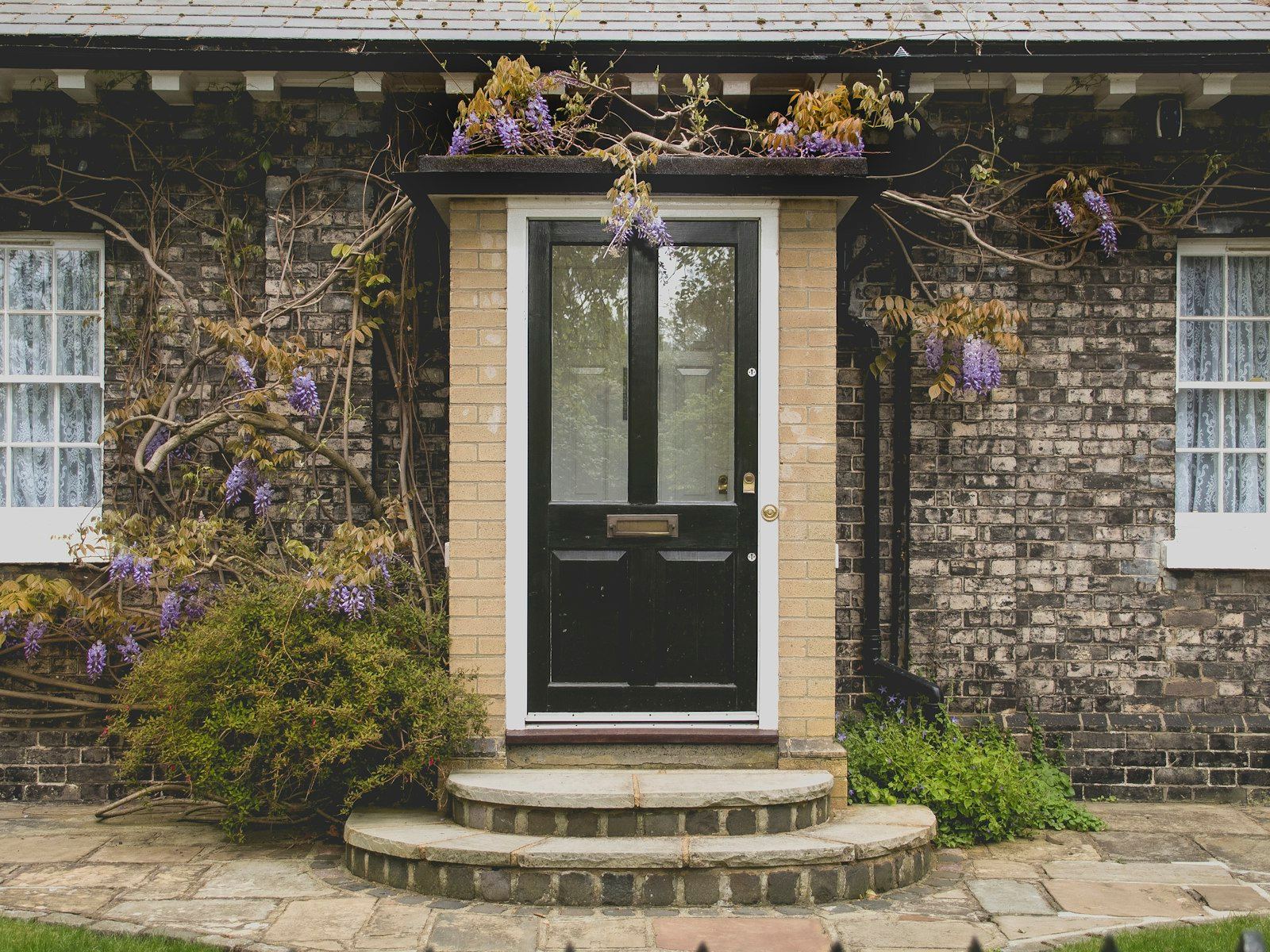
Subsidence Help
The specialist visits the home, measures the cracks and determines whether the movement is ongoing or has already stopped.
-

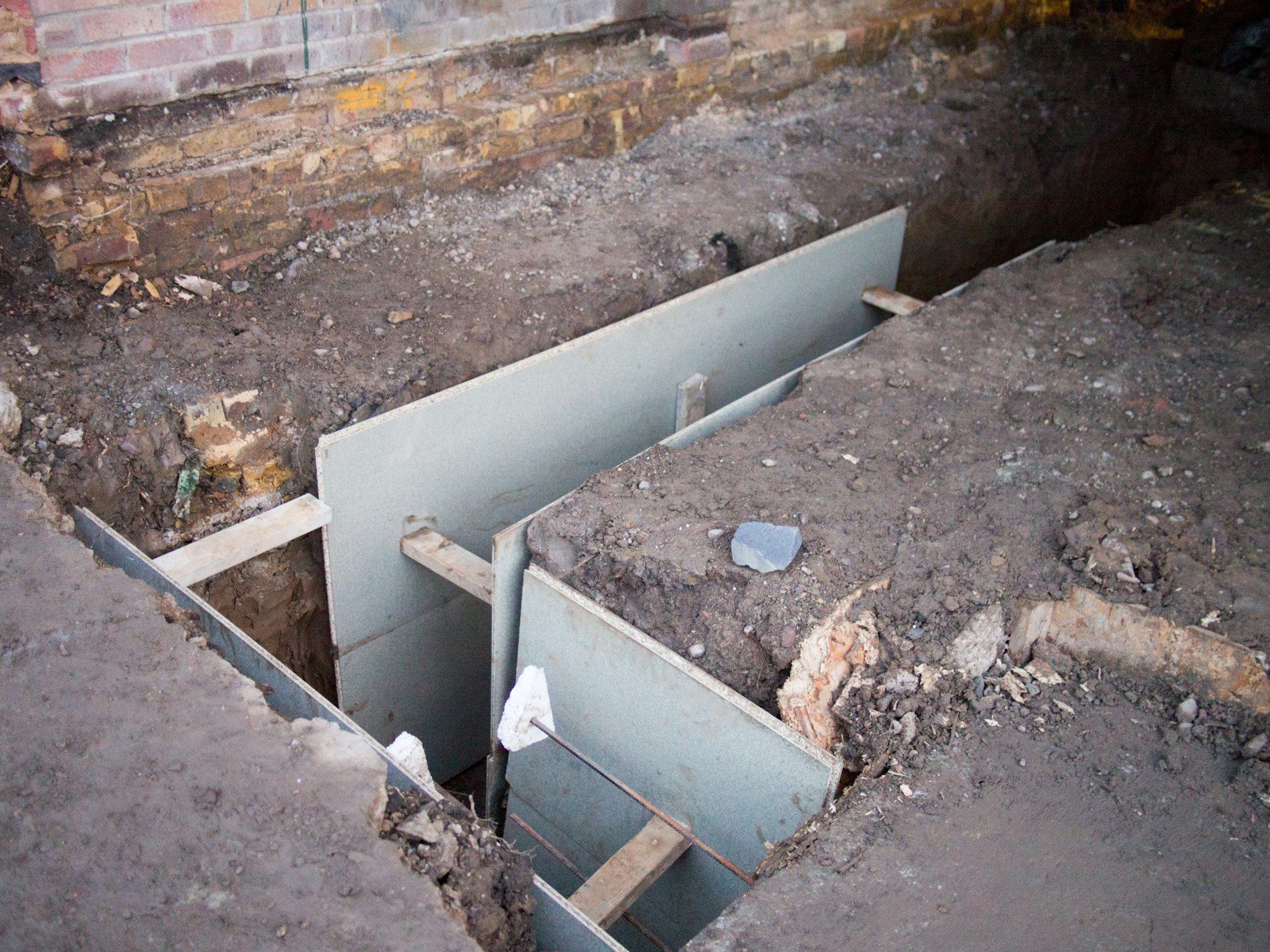
Underpinning
A contractor excavates below the existing footings and pours new concrete to transfer the load down to stable ground.
-
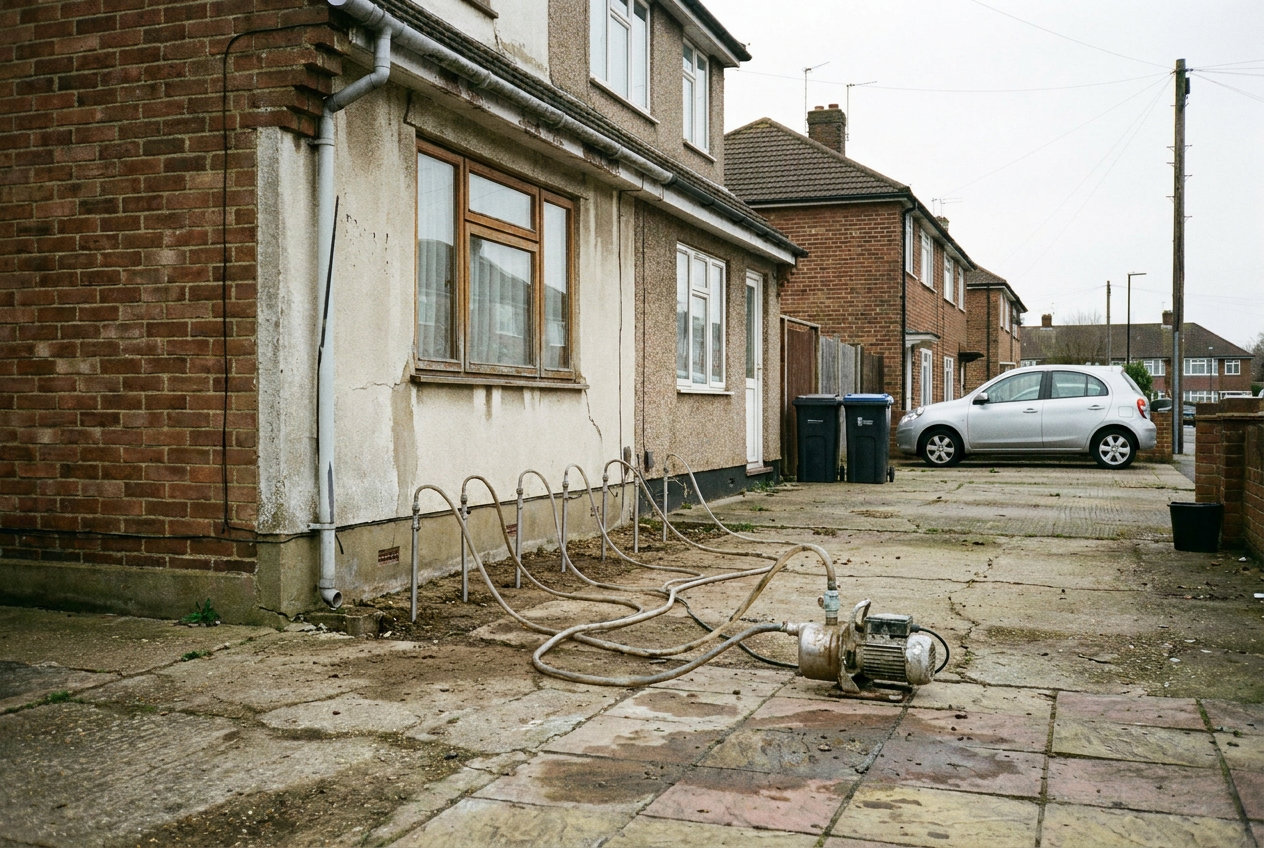
Resin Injection
The technician pumps expanding resin into the soil beneath the foundations to compact loose ground and lift settled areas.
-
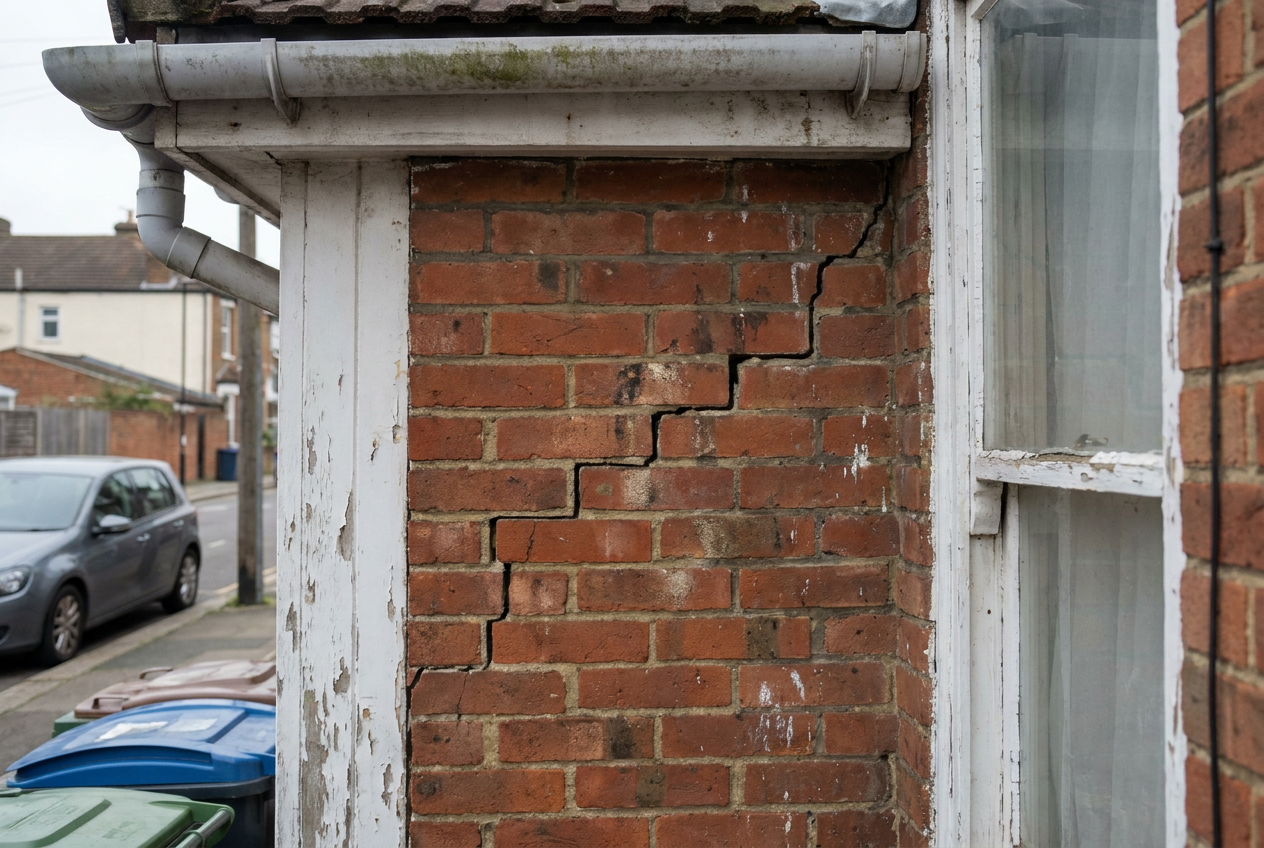
Concrete Cracking
A structural engineer examines the cracked concrete, traces whether subsidence or drainage caused it, and specifies a repair method that stabilises the slab without unnecessary excavation.
-
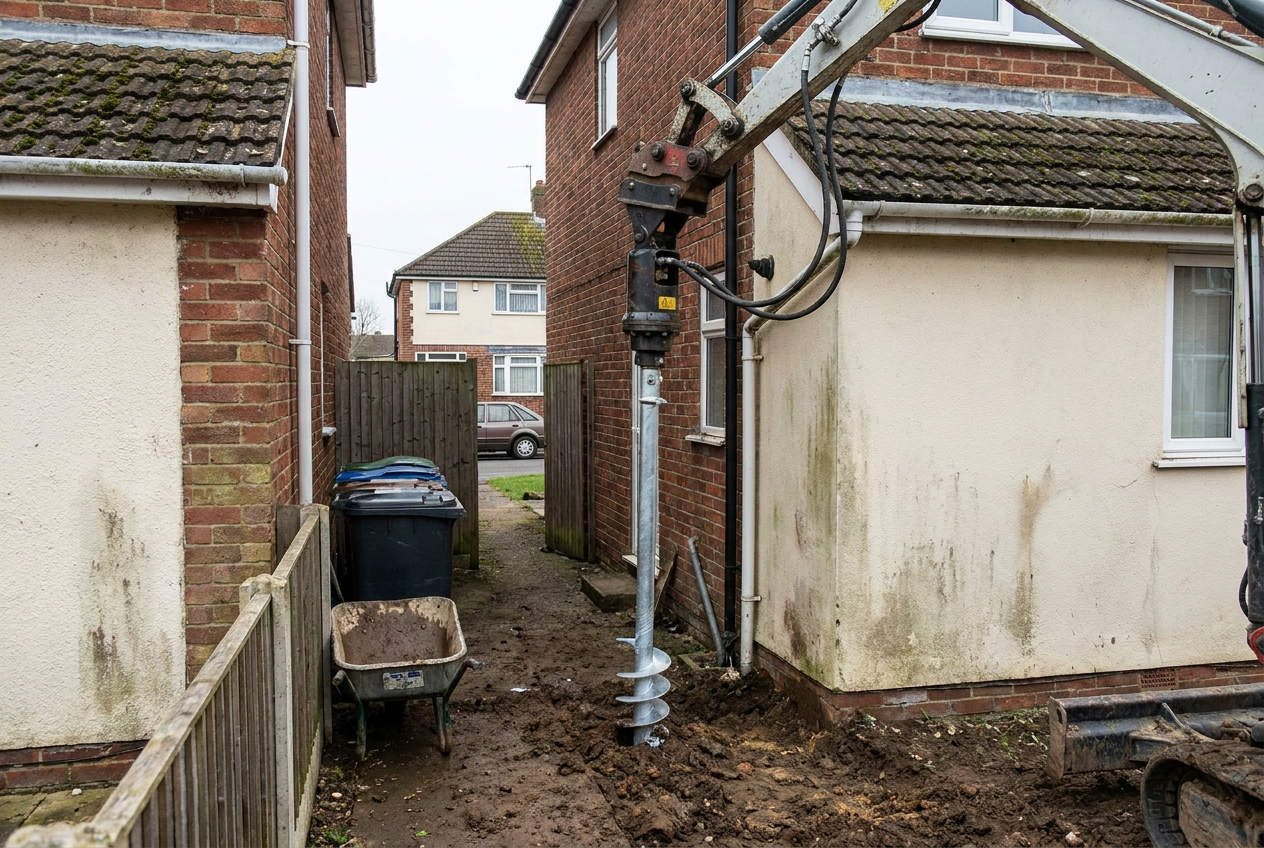
Screw Piling
The piling firm drives steel helical piles through unstable made ground until they reach a firm bearing stratum.
Local causes
Why Burnt Oak houses move
Interwar estates and post-war infill builds share common ground problems across this part of Barnet.
- London Clay Clay shrinks in summer drought and swells after heavy rain, moving shallow footings.
- Tree roots Mature street trees extract moisture from the clay, causing localised shrinkage beneath walls.
- Leaking drains Broken pipes wash soil away, leaving voids beneath the foundations of your home.
- Made ground Later infill plots often sit on old brickfields filled with loose rubble.
Warning signs
What to look for around your Burnt Oak home
- Diagonal cracks near windows
- Tapering cracks running from window corners toward the roofline usually indicate differential settlement in the wall below.
- Leaning bay windows
- A bay that tilts forward or pulls away from the main wall suggests its separate footings are sinking faster than the rest of the house.
- Cracks at extension joints
- A gap opening where an extension meets the original structure shows the two parts are moving independently on different ground.
- Sticking doors and frames
- Doors that jam or frames that distort signal that the surrounding wall has shifted enough to twist the opening out of square.
Areas covered across the borough of Barnet
Specialist firms handle subsidence enquiries throughout the London Borough of Barnet. They work on every type of local housing, from Victorian terraces to interwar estates and modern developments.
- Barnet
- Burnt Oak
If your street is not listed, send an enquiry anyway. Firms cover all of Barnet.