Childs Hill, Barnet
Subsidence in Childs Hill on sloping streets
A crack in the brickwork or a door that sticks can mean very little, or it can point to movement in the ground beneath your home. Describe what you have noticed and a specialist firm will review the details before calling you back.
- Specialist firms handle every stage
- No obligation after your first call
- Local knowledge of Barnet ground
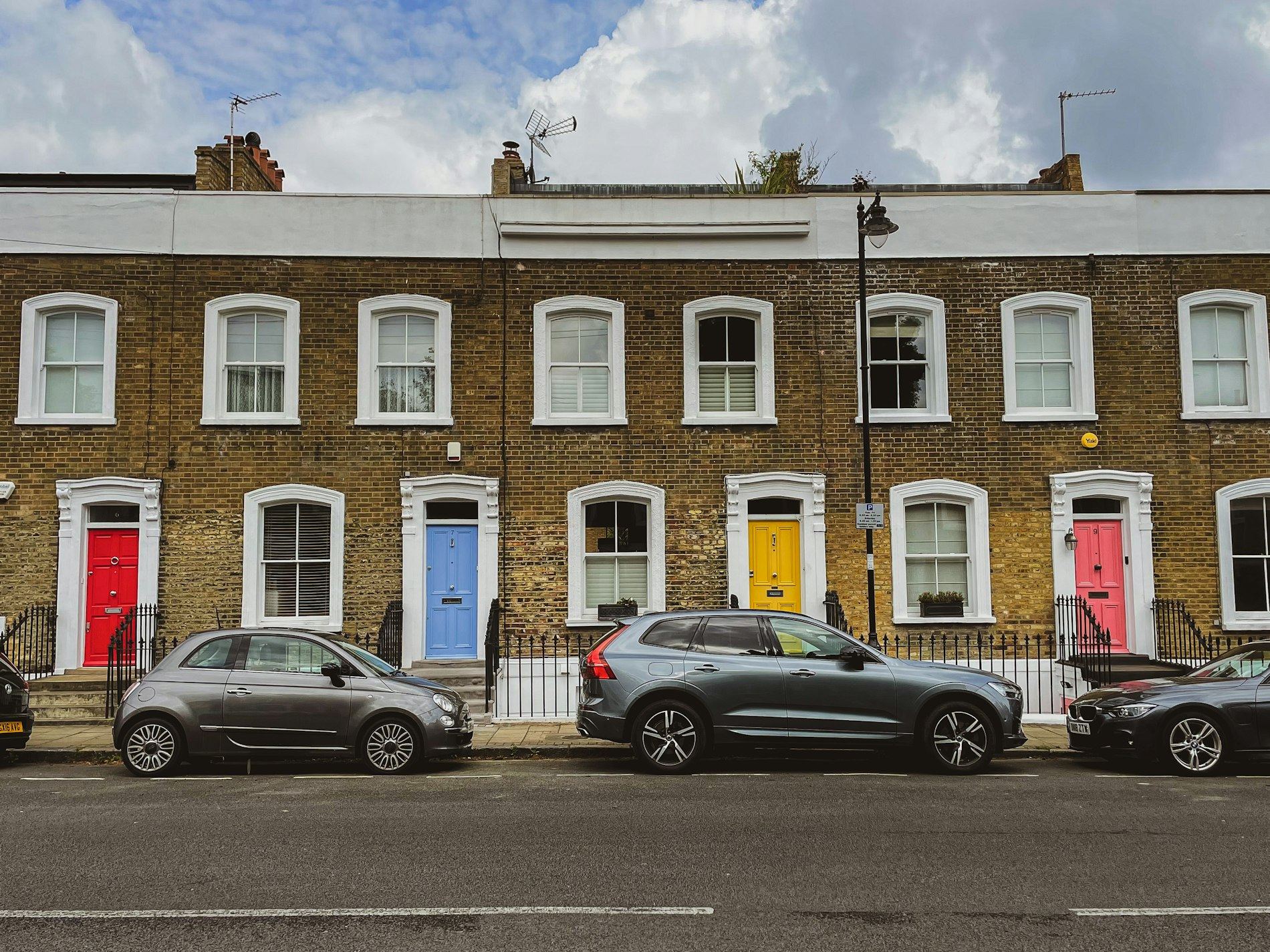
Describe what you have noticed
What a specialist firm can do for your home
Each problem needs a different response. A specialist firm will assess the ground, the walls and the foundations before recommending any work at all.
-

Subsidence Help
A specialist visits the house, examines the cracks and checks the drainage and soil before setting out what needs to happen next.
-
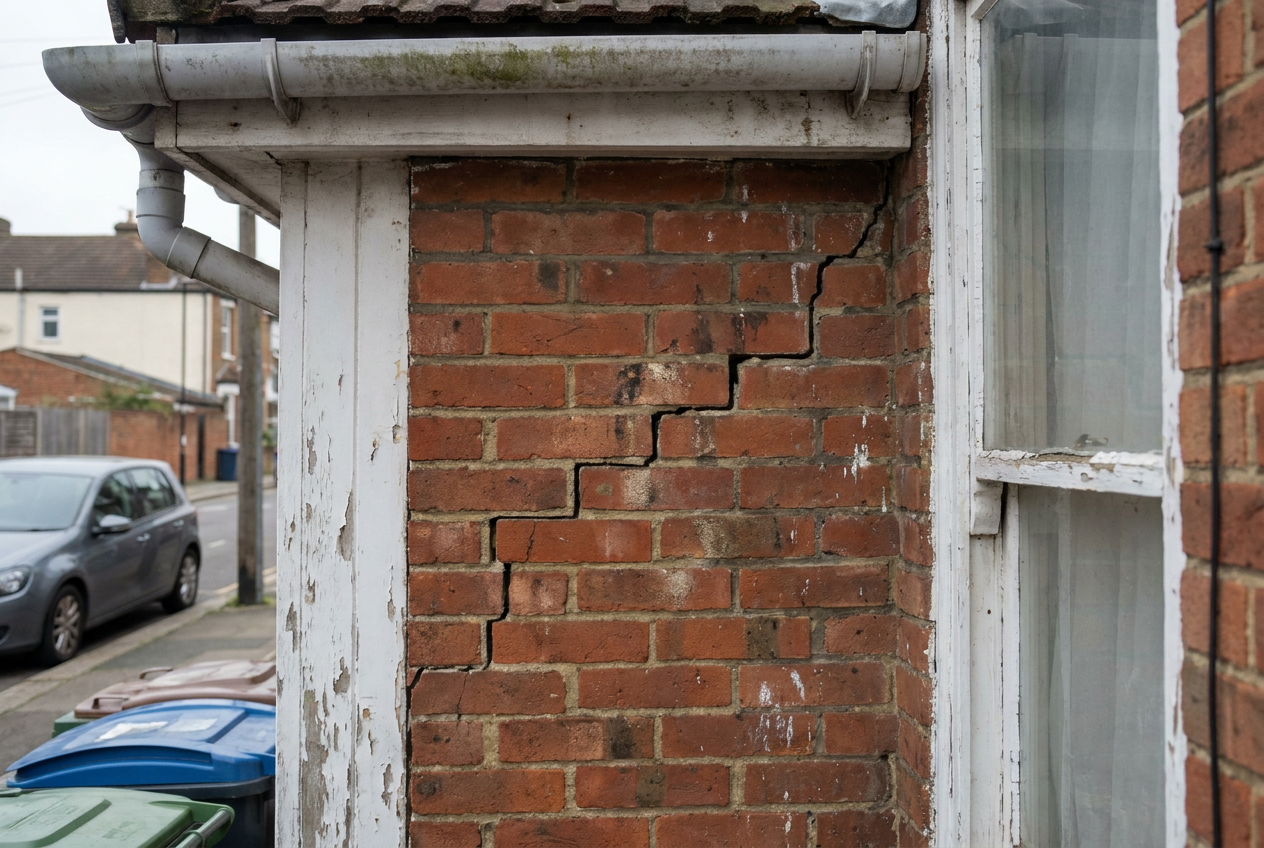
Underpinning
Where the footings have failed, a specialist excavates below the existing foundation and pours new concrete to stabilise the wall.
-
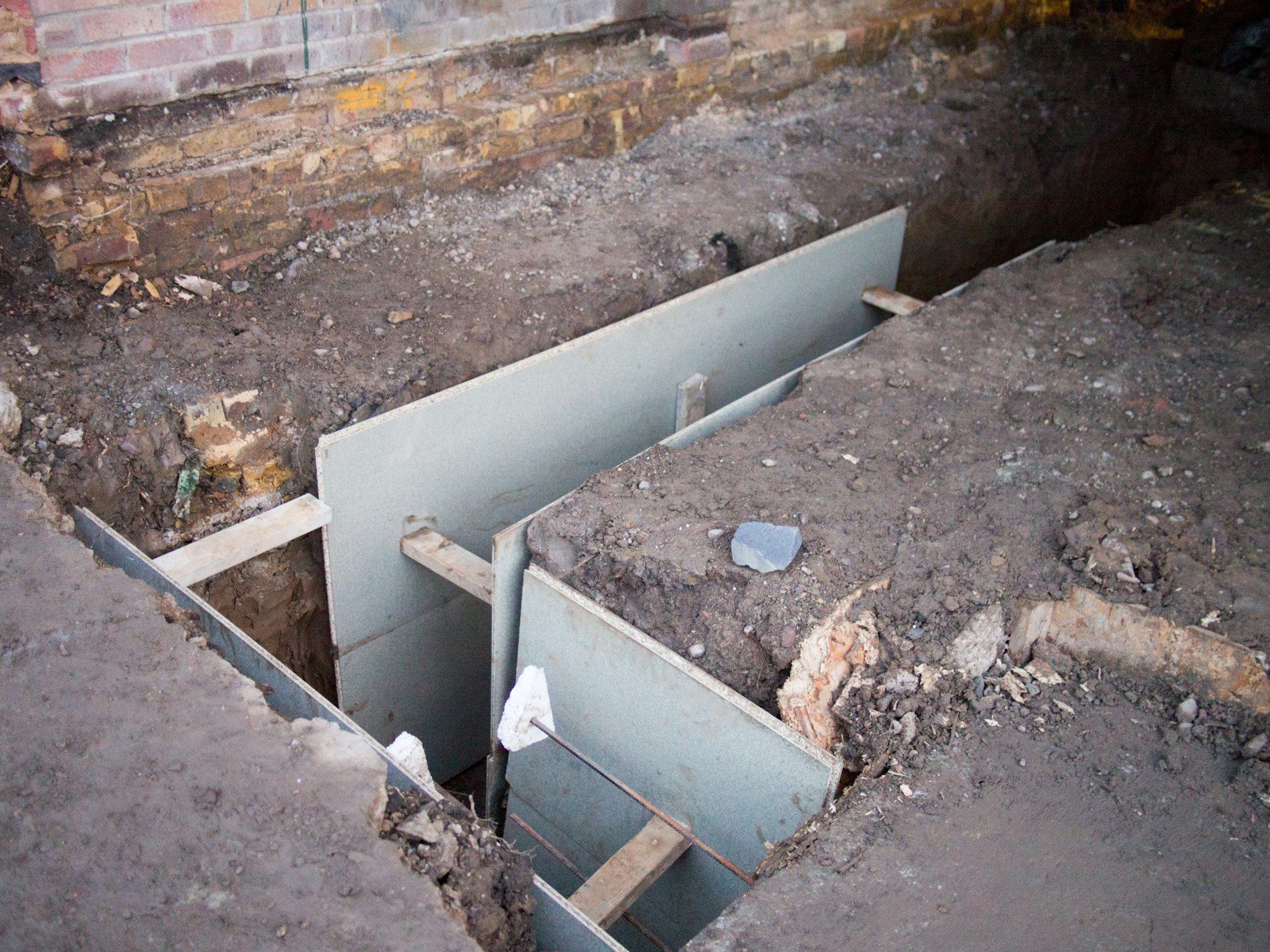
Resin Injection
A specialist pumps expanding resin into the ground beneath the slab, compacting loose soil and lifting the floor back towards level.
-
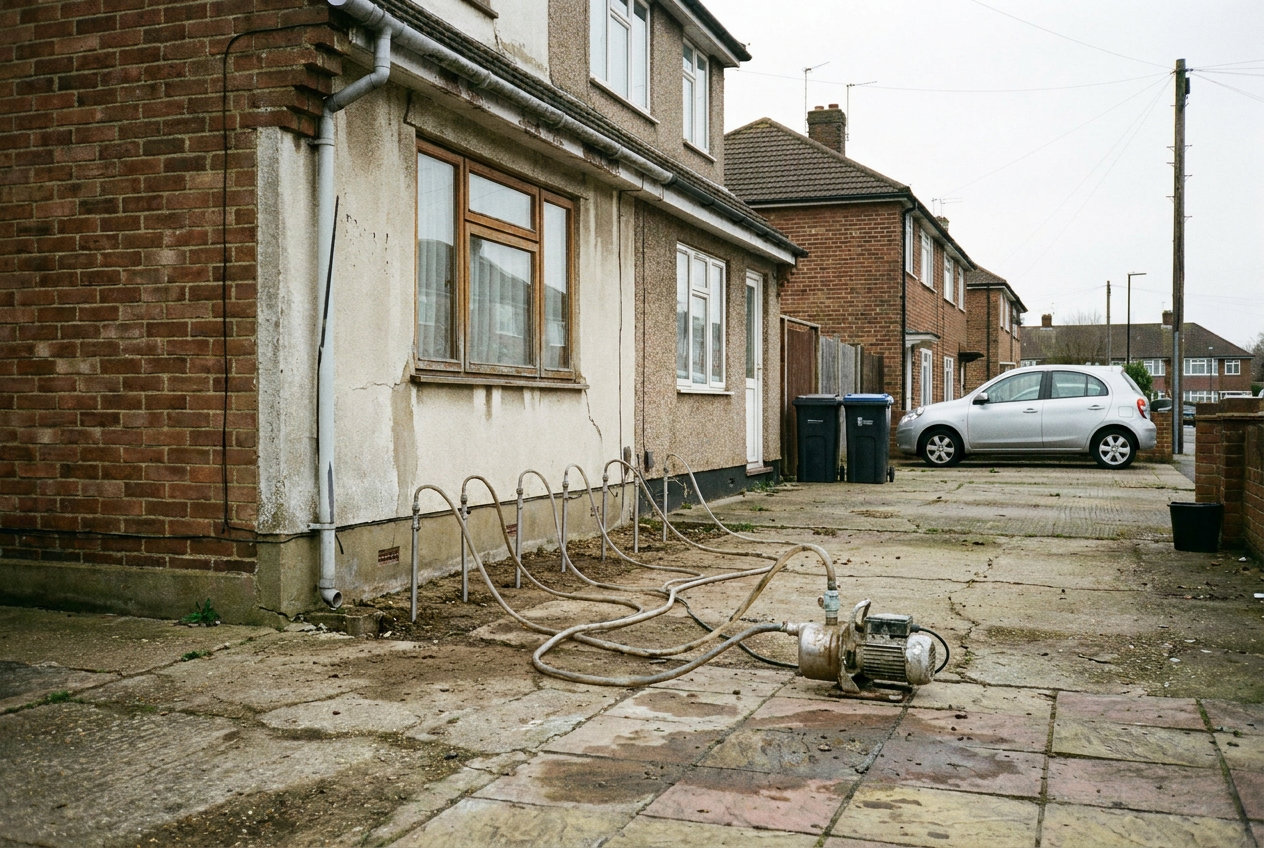
Concrete Cracking
A specialist surveys the cracked slab, determines whether heave or settlement caused it, and repairs or replaces the affected section.
-
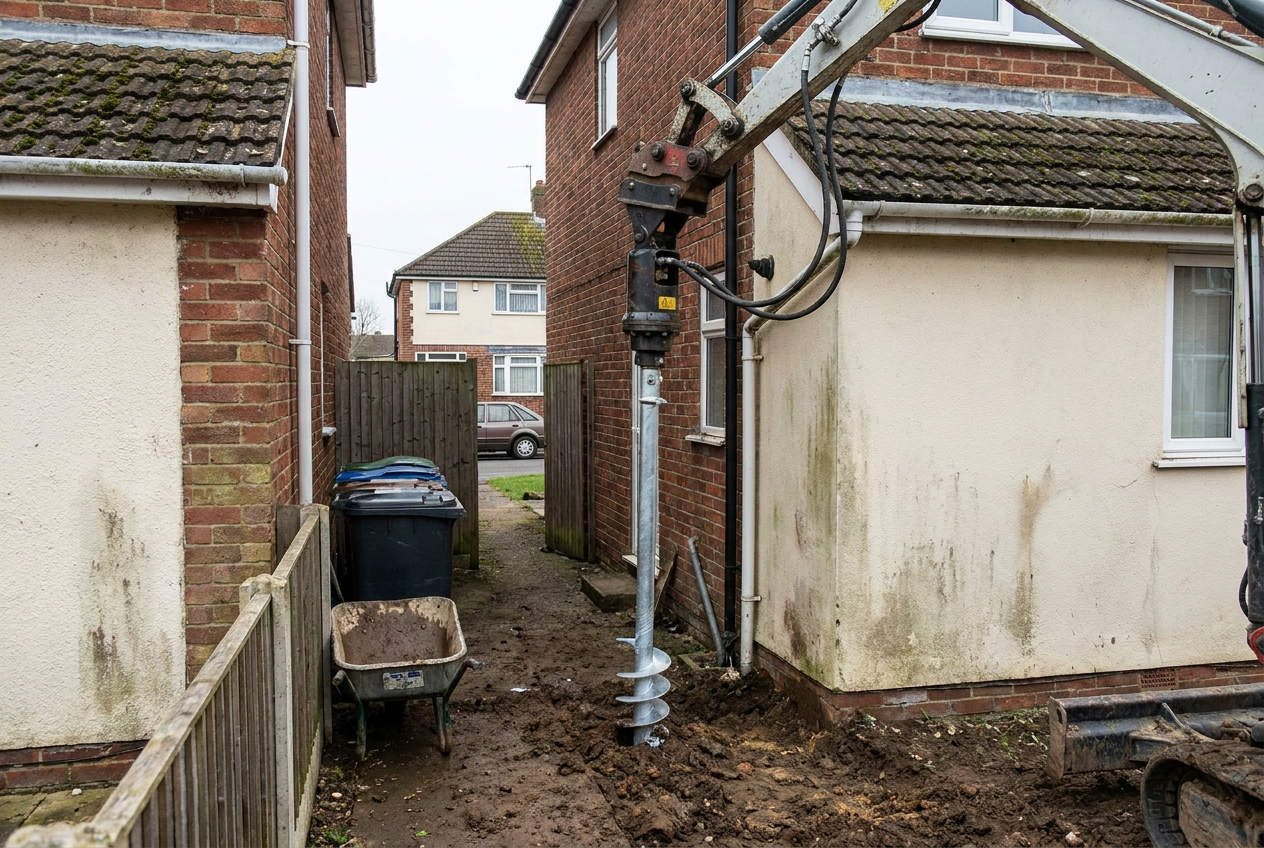
Screw Piling
Where traditional digging is impractical, a specialist drives steel piles deep into stable ground and brackets them to the footing.
Why houses move here
Clay, slopes and shallow footings in Childs Hill
Homes on the hillside sit on London Clay, which shrinks in dry summers and swells when wet. This seasonal movement stresses walls built a century ago on shallow brick footings.
Gravity pulls slowly on terraced houses built along a gradient. Over decades the downhill end settles further than the top, opening diagonal cracks near party walls.
Older drains run close to the surface. A leaking joint washes fine particles from the soil, leaving a void that the ground above eventually drops into.
Mature street trees draw moisture from the clay directly beneath the foundations. During long dry spells the soil contracts faster than the roots can be managed by pruning alone.

How specialists approach each problem
The right method depends on what the ground survey and crack readings reveal about your home.
- Crack monitoring
- Glass tell-tales or digital gauges track whether a crack is still widening. Specialists wait for several months of readings before designing any repair, because acting too early risks treating the wrong cause.
- Drain testing
- A camera survey runs through the pipework beneath the house. If a fractured joint is washing soil away, fixing the pipe often stops the movement without any structural work at all.
- Tree management
- Root barriers or targeted removal reduce the moisture demand on the clay. An arboriculturist advises on which species are safe to keep and which must go to protect the foundations.
- Foundation strengthening
- Where the original footings are too shallow for the clay they rest on, specialists dig deeper sections or install steel piles to reach firmer strata below the active zone.
- Bay window support
- Leaning bays usually lack their own deep foundations. Specialists add independent piers or tie the bay frame back to the main wall so it stops pulling away.
Areas covered across the borough
Specialist firms operate throughout Barnet and know the local geology well. The same ground conditions affecting Childs Hill appear in neighbouring streets and postcodes, so coverage extends across the whole area.
- Childs Hill
- Cockfosters
- Colindale
- Cricklewood
If your street is not listed, send an enquiry anyway. Firms cover the entire borough.
Tell a specialist what you have noticed
Describe the crack, the sticking door or the slope you are worried about. A specialist firm will read the details and call you to discuss what happens next.