Describe what you have noticed
Resin injection in Barnet
Resin injection for subsidence or underpinning?
You have noticed cracks and heard resin injection might avoid a full dig. A specialist survey is the only way to know if the ground beneath your home suits it. Send details of what you are seeing to find out what happens next.
- No commitment to send an enquiry
- Specialist firms do the survey work
- Find out if resin suits your home
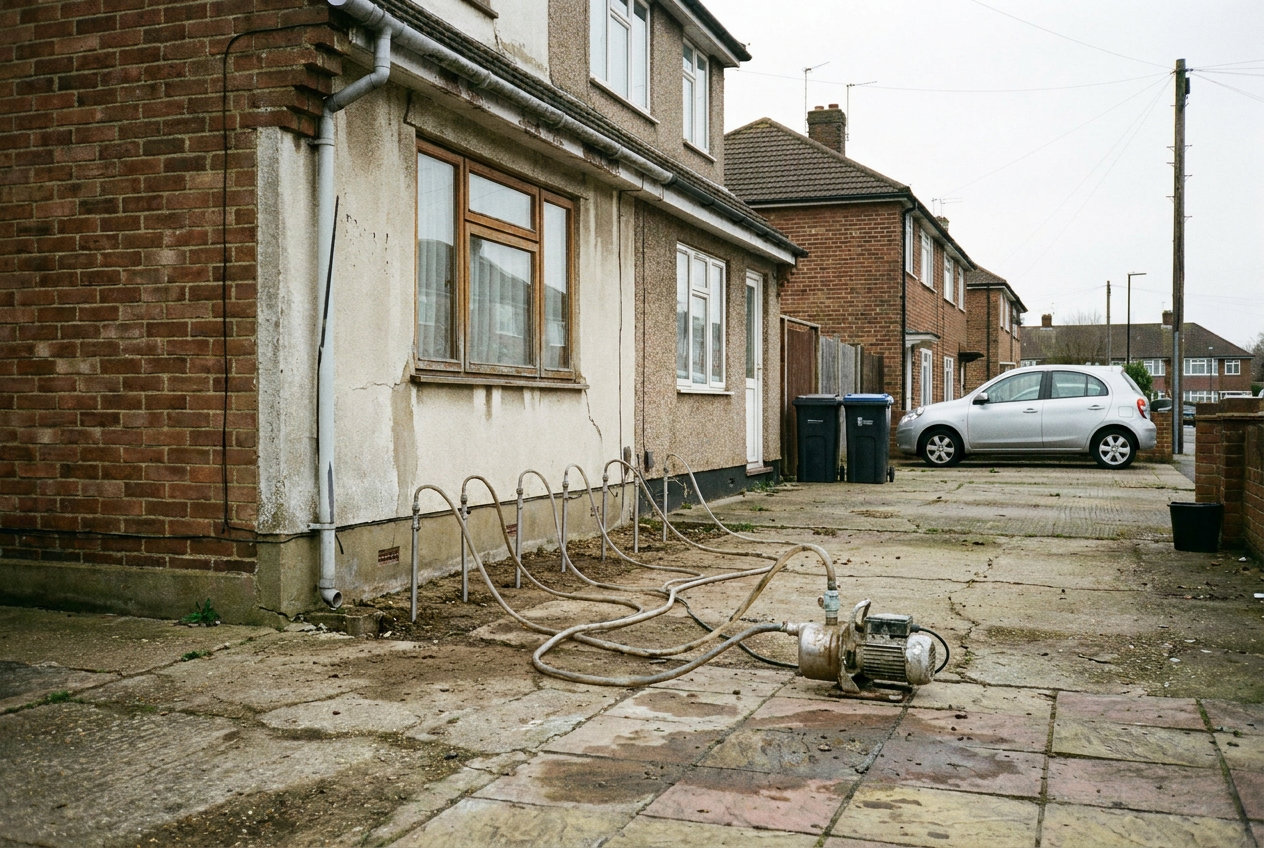
How resin works
What resin injection does beneath a house in Barnet

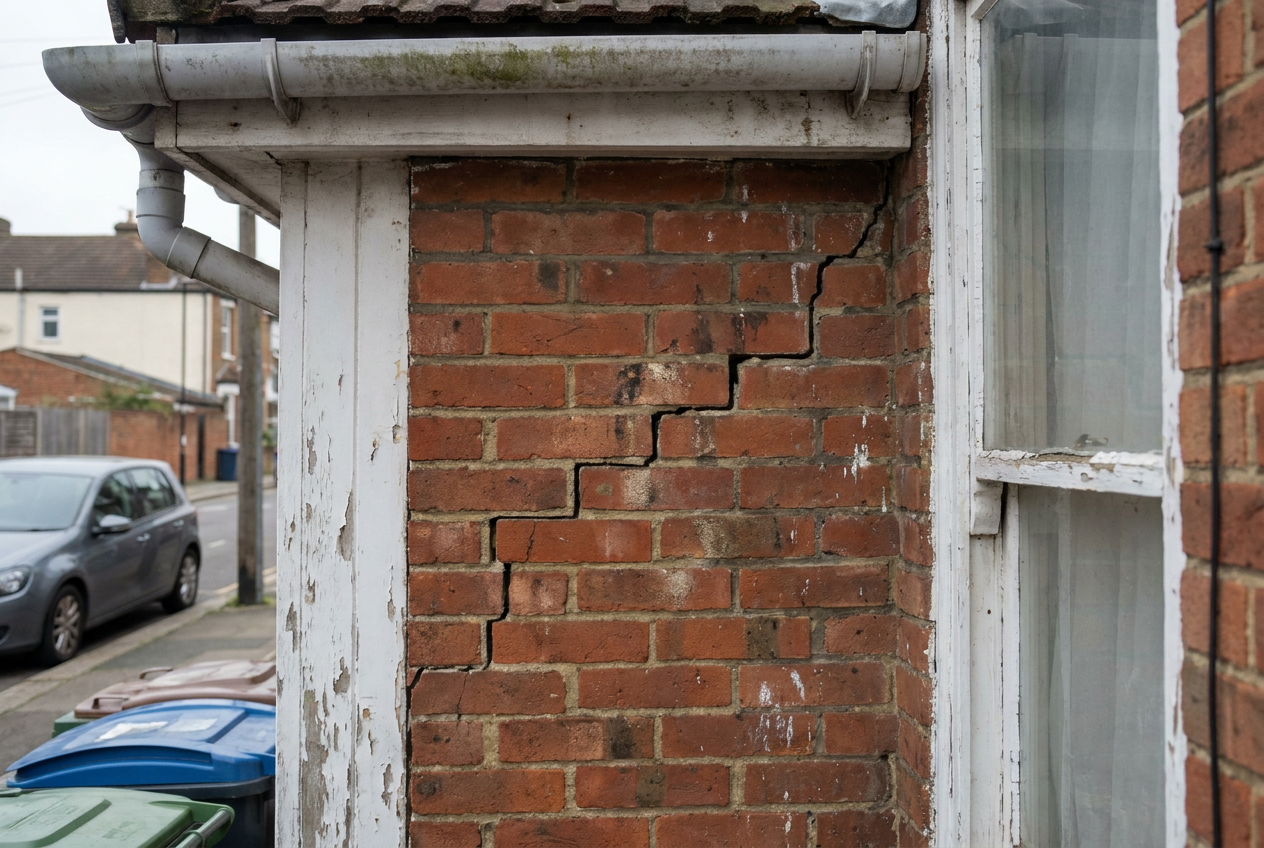
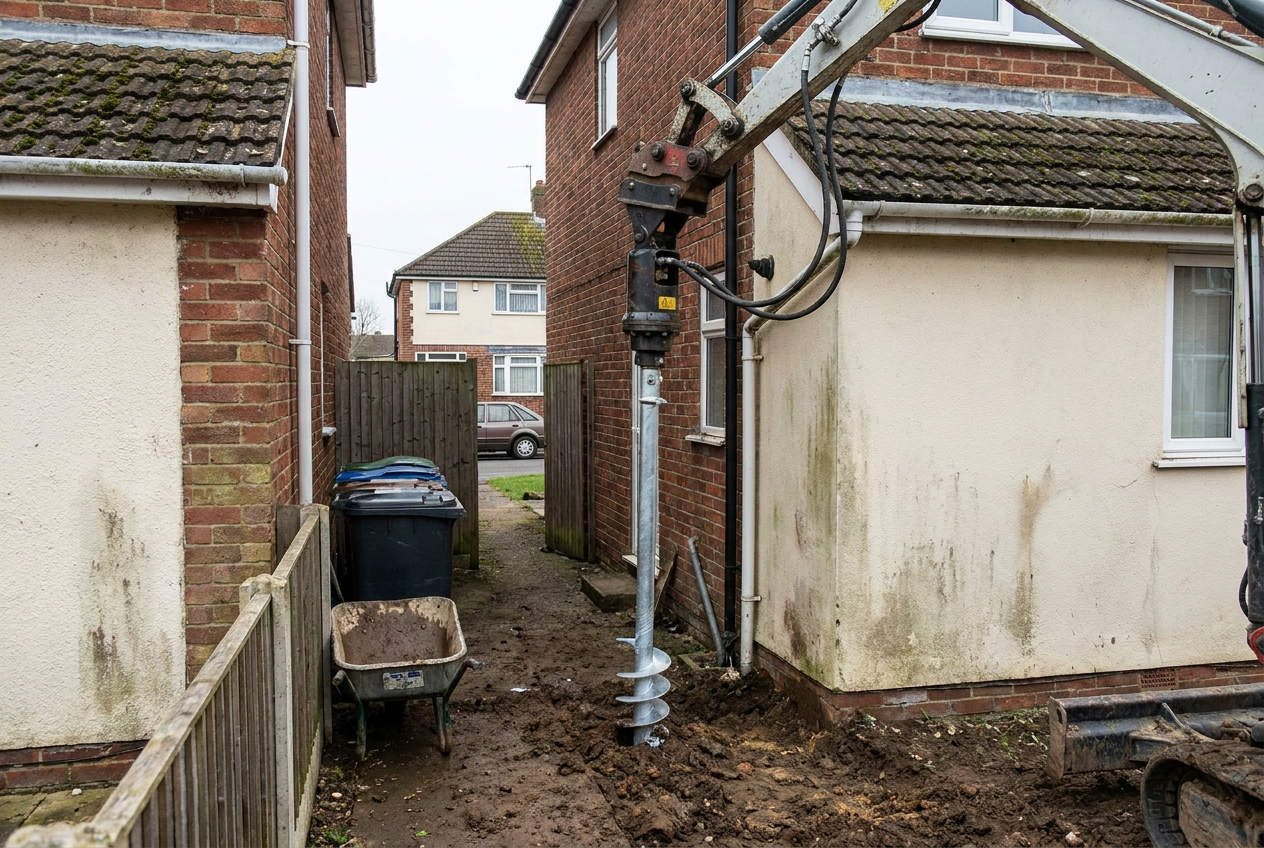
Filling voids under floor slabs
Where water has washed fine soil away, leaving empty space beneath a concrete slab, expanding resin fills that gap so the slab stops dropping.

Compacting soft clay
London clay shrinks when dry and swells when wet. Resin forces loose particles together, stiffening the layer directly under shallow foundations.
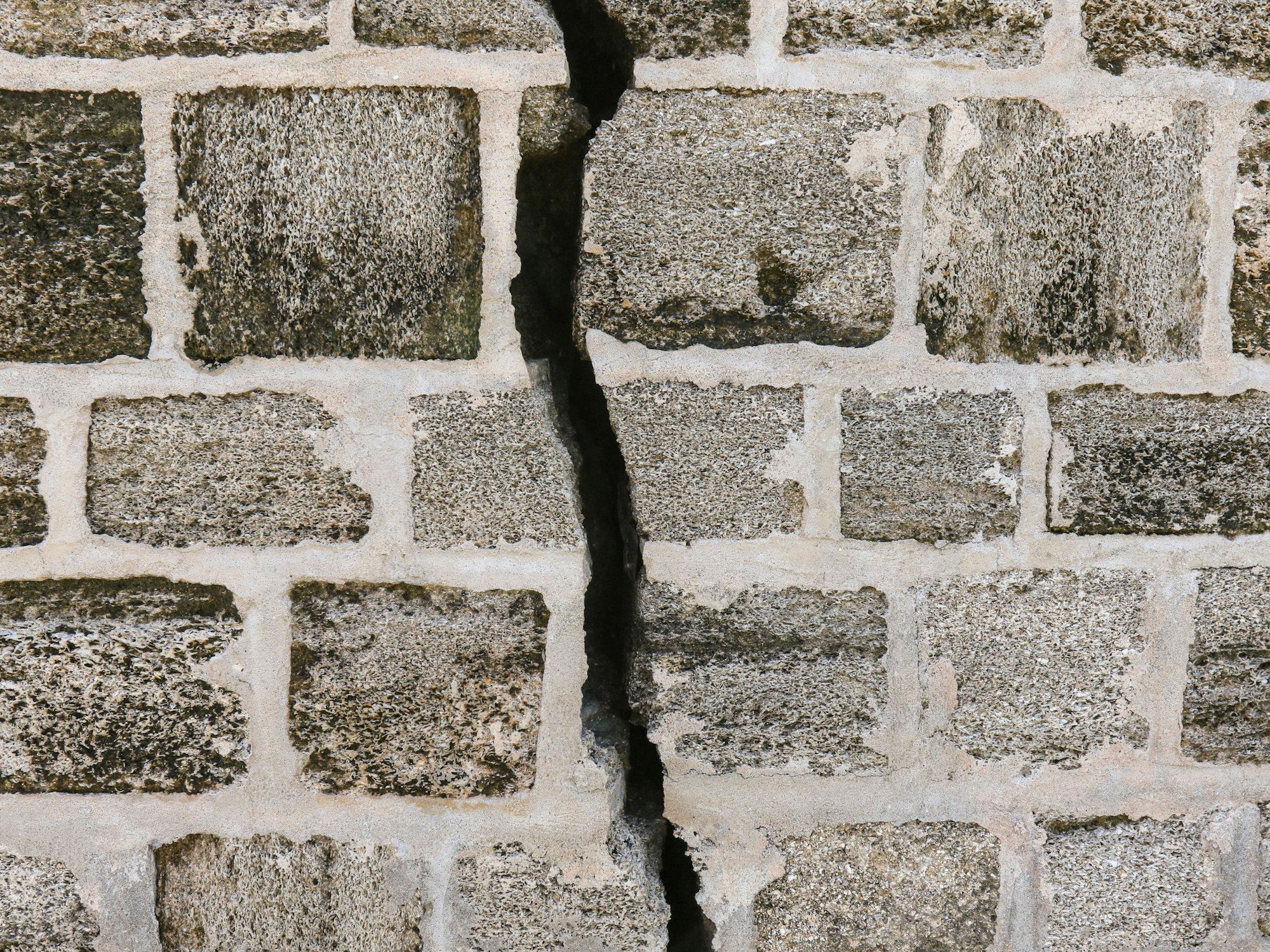
Lifting settled floors
Controlled expansion can raise a sunken concrete floor back towards its original level. The specialist monitors the lift with lasers during the work.
Working around tree roots
Where roots from street trees have dried the soil, resin stabilises the remaining ground without cutting roots that keep larger trees alive.

Ground conditions
When resin works and when it cannot
Not every house in Barnet sits on ground that accepts resin. The soil type and the cause of movement decide whether it applies.
- Made ground Filled clay pits compress unevenly and rarely hold injected resin well.
- Deep clay shrinkage Resin reaches only a few metres down, so deep clay movement needs piles.
- Active drain leaks Water still washing soil away must be stopped before any injection begins.
- Shallow strip footings Victorian brick footings spread loads wide, which sometimes suits surface resin treatment.
What happens after you send an enquiry
01
You describe the cracks
Write down where the cracks are, how wide they look, and when you first noticed them moving.
02
A specialist surveys your home
An independent ground engineering firm visits your home, digs trial holes and tests the soil below.
03
They report their findings
The specialist writes a report stating whether resin injection will work or if another method is needed.
04
Work begins if suitable
If resin suits the ground, the same firm drills holes, injects the material and checks levels throughout.
How this site handles your enquiry
Barnet Subsidence takes enquiries from homeowners. Separate specialist firms carry out surveys and repairs on their own account. They set their own prices and manage the work independently from start to finish.
- Enquiries are passed to independent firms who operate under their own terms.
- No repair work is carried out by this website or anyone employed by it.
- Each specialist decides whether resin injection suits your ground after a physical survey.
- You receive reports and quotes directly from the firm that visits your home.
Questions about resin injection in Barnet homes
Homeowners often ask whether resin avoids the disruption of traditional underpinning. The answer depends entirely on what lies beneath the specific house.
- Is resin cheaper than digging?
- It uses smaller equipment and less labour, but cost depends on how much material the ground absorbs. A specialist survey produces the figures.
- Does it work on London clay?
- It can compact the upper layers of clay affected by seasonal drying. Deeper shrinkage caused by large trees usually requires screw piling instead.
- Will it lift my walls?
- Resin lifts concrete slabs more reliably than masonry walls. Brickwork built on deep strip foundations may need a different approach to regain level.
- How long does the work take?
- Because the resin cures within minutes of injection, ground treatment avoids prolonged excavation and curing periods. The specialist drilling team sets up small-diameter equipment, injects the required volume beneath the home and clears the site once the work is done.
Find out if resin injection suits the ground under your home
Describe the cracks or slopes you have noticed. A specialist firm will read the details and arrange a survey if resin looks like a viable option.