Edgware homes
Subsidence in Edgware: what new cracks can mean
Interwar houses near Edgware sit on shallow footings and London clay, often with mature trees close to the walls. Find out what new cracking means for your home and what a specialist can do about it.
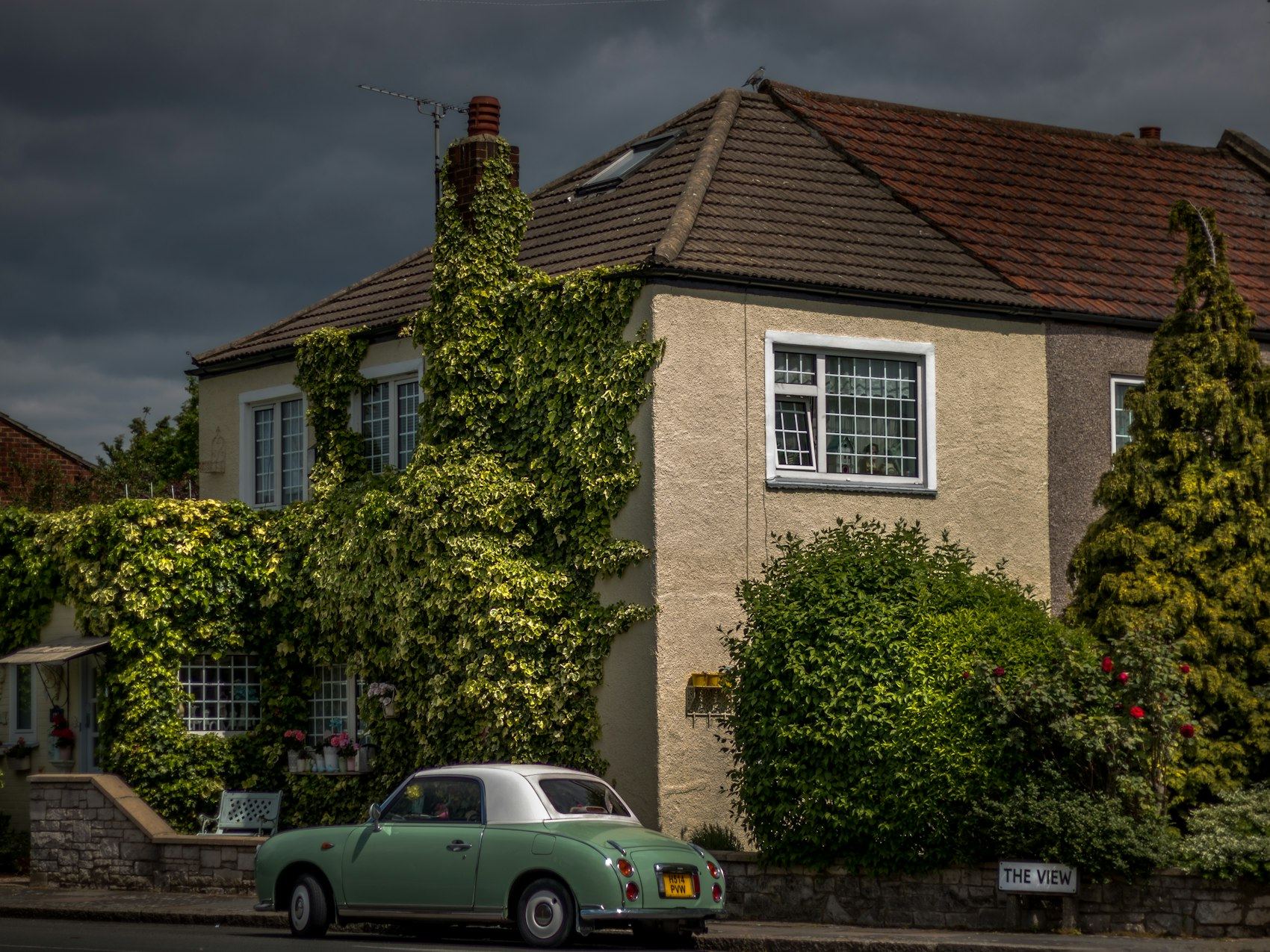
What a specialist can do for your home
Each problem needs a different approach. A structural specialist will assess the ground, the foundations and the damage before recommending a method that suits your house.
-
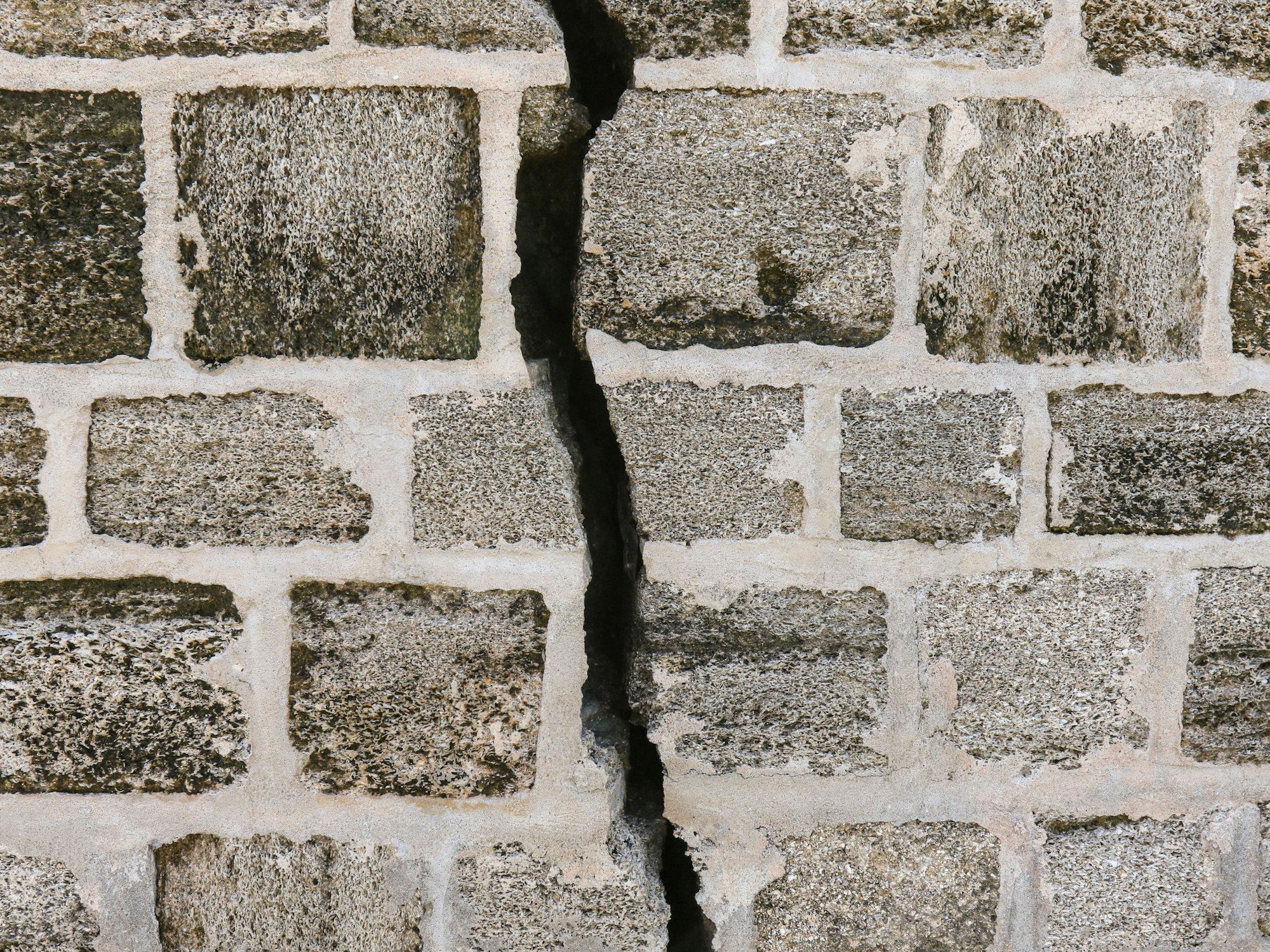
Subsidence Help
A structural specialist visits your home, examines the cracking and identifies whether subsidence is the cause or if something else is happening.
-
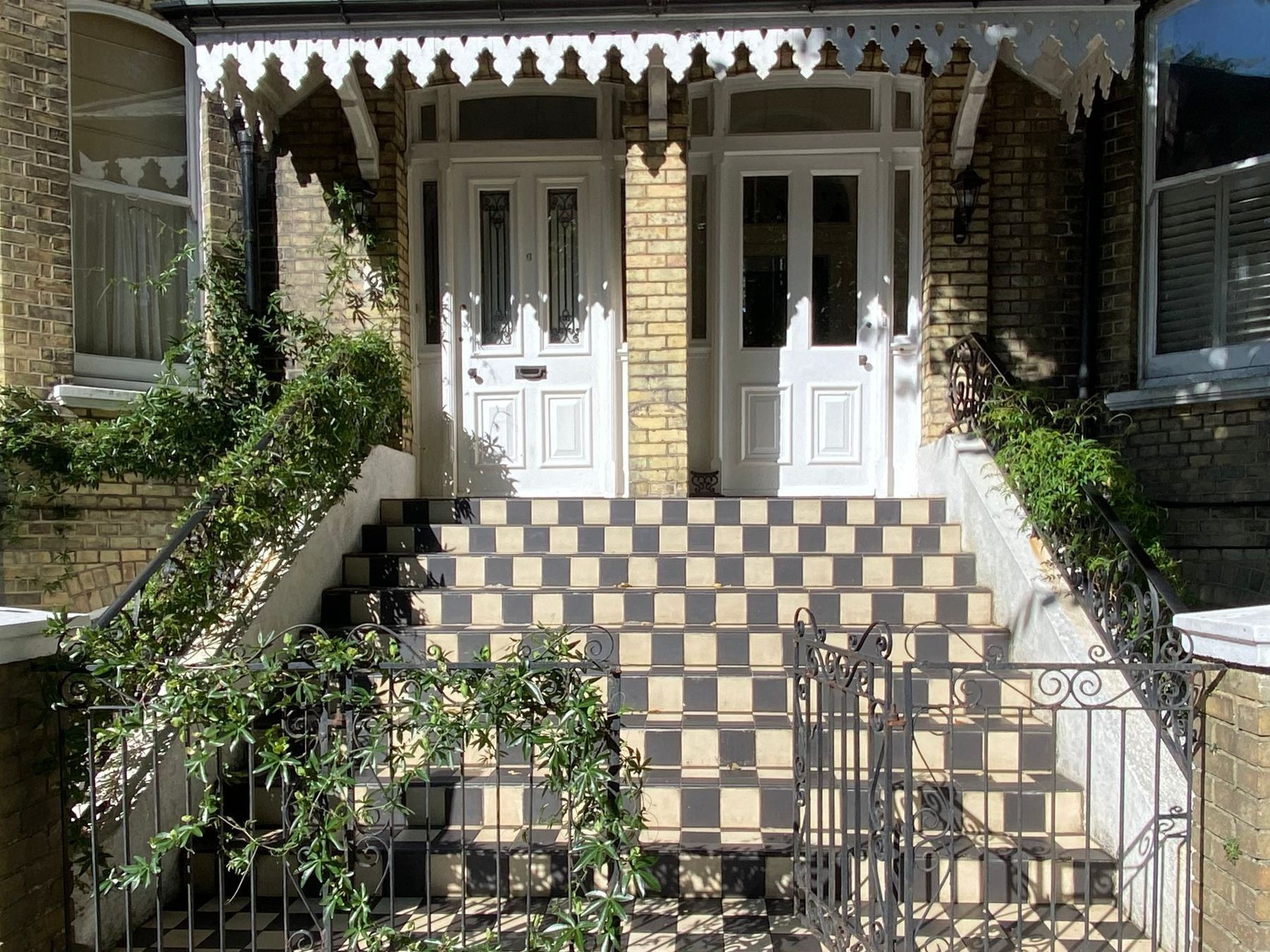
Underpinning
A foundation contractor excavates below the existing footings and pours new concrete to stabilise the ground beneath your walls.
-
Resin Injection
A ground engineer pumps expanding resin into the soil beneath the foundations to compact loose material and lift settled areas.
-
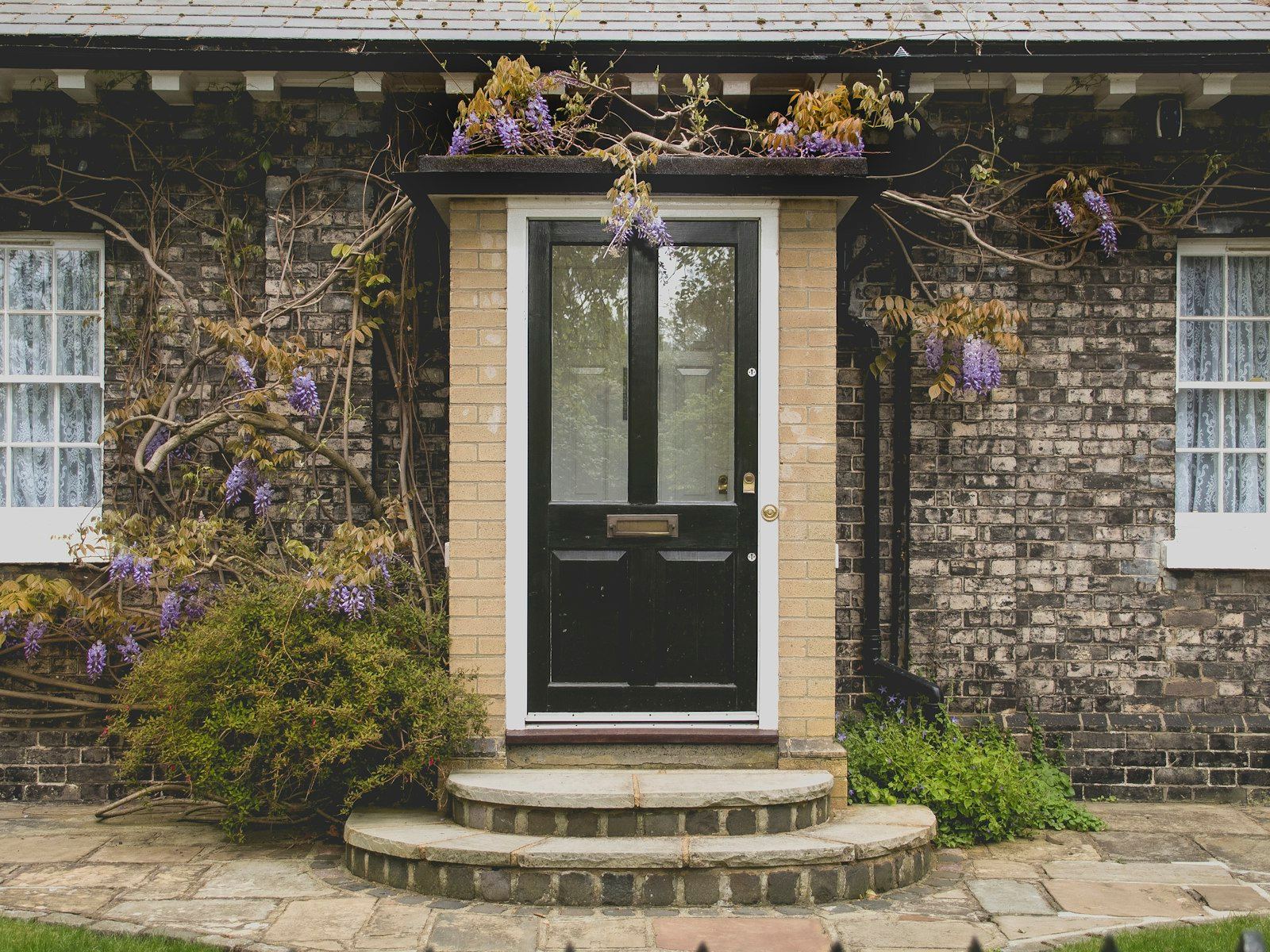
Concrete Cracking
A concrete repair firm investigates why a floor slab has cracked and applies the right fix to stop further movement.
-

Screw Piling
A piling contractor drives steel piles deep into stable ground to support a foundation that cannot rely on shallow soil.
Why they crack
Shallow footings and long gardens near Edgware
Houses built between the wars typically have foundations only a few bricks deep. That depth was standard at the time but leaves the walls vulnerable to soil shrinkage during dry summers.
Long back gardens mean mature trees stand close to the rear walls. Roots draw moisture from the clay, so the ground shrinks and the shallow footings drop with it.
London clay runs under most of Edgware. It swells when wet and contracts when dry, so even modest changes in rainfall or drainage can shift a wall enough to open a crack.
Original clay drain pipes from the 1930s fracture over decades. Water escaping from a broken joint washes fine particles out of the soil, leaving a void under the footing.
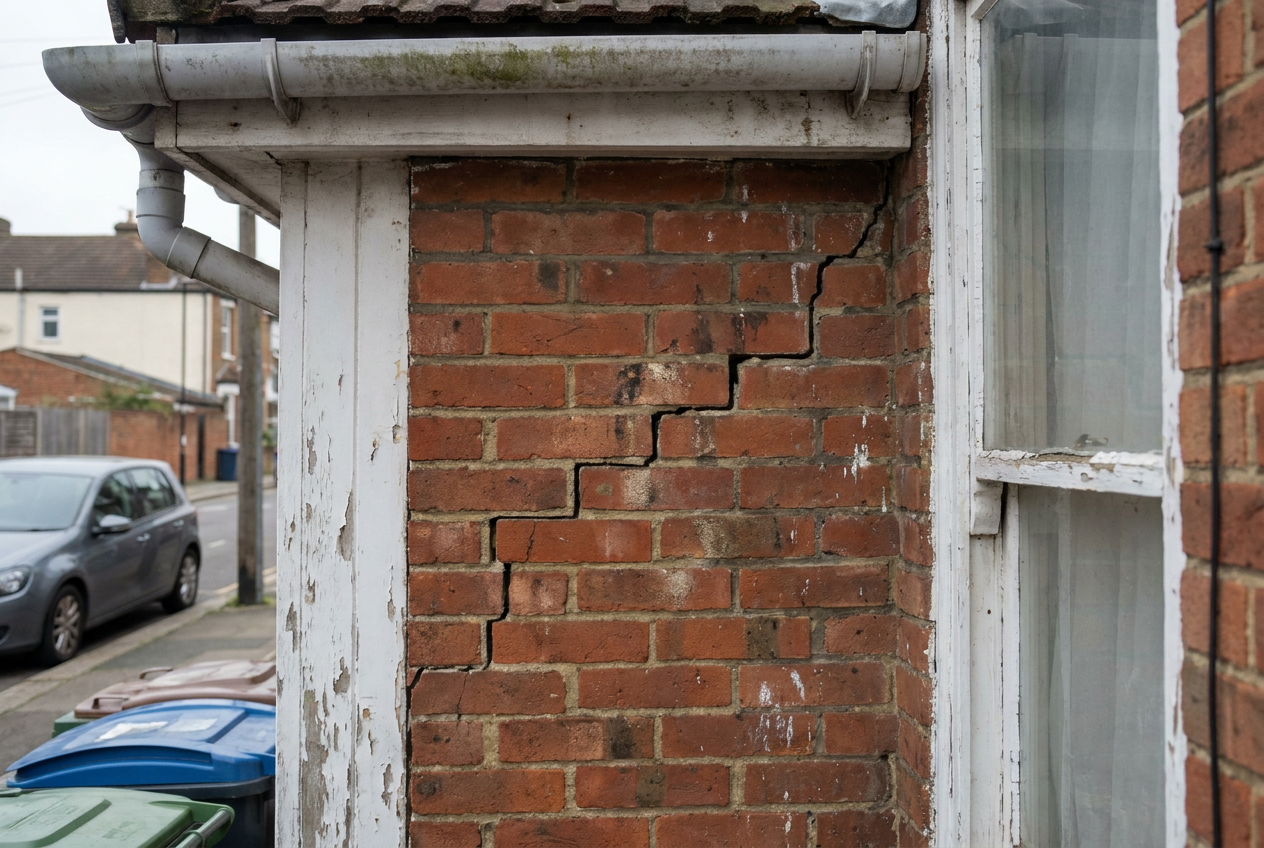
Warning signs
What to look for in your home
- Diagonal cracks at corners
- A crack running diagonally from the corner of a window or door frame, wider at one end than the other, usually indicates the wall has dropped on one side.
- Sticking doors and windows
- Frames twist when the wall around them moves. If a door that always swung freely now catches on the carpet or the latch misses the strike plate, check the surrounding brickwork.
- Gaps at skirting boards
- When a wall settles away from the floor, the skirting board separates from it. You might see daylight or feel a draught along the bottom edge.
- Rippled wallpaper
- Wallpaper creases where the wall behind it has shifted. The paper stretches or compresses, forming horizontal ripples that no amount of paste will flatten back down.
Areas covered around Barnet
Specialist firms handle enquiries across every part of the borough. Whether your home sits on the ridge at Mill Hill or closer to the brook valleys, local ground conditions are familiar territory.
- Edgware
If your street is not listed, send an enquiry anyway. Firms cover all of Barnet.
Tell someone about the cracking
Describe what you have noticed and where it is. A specialist will read the details and decide whether a site visit is needed. There is no fee for this first step and no obligation to proceed.
- No charge to enquire
- No obligation to proceed
- Local specialists only