Structural movement
Crack where an extension joins the house
Find out why a newer part of your house moves differently from the older walls, which cracks at the join are normal settling and which point to ground movement that needs a closer look.
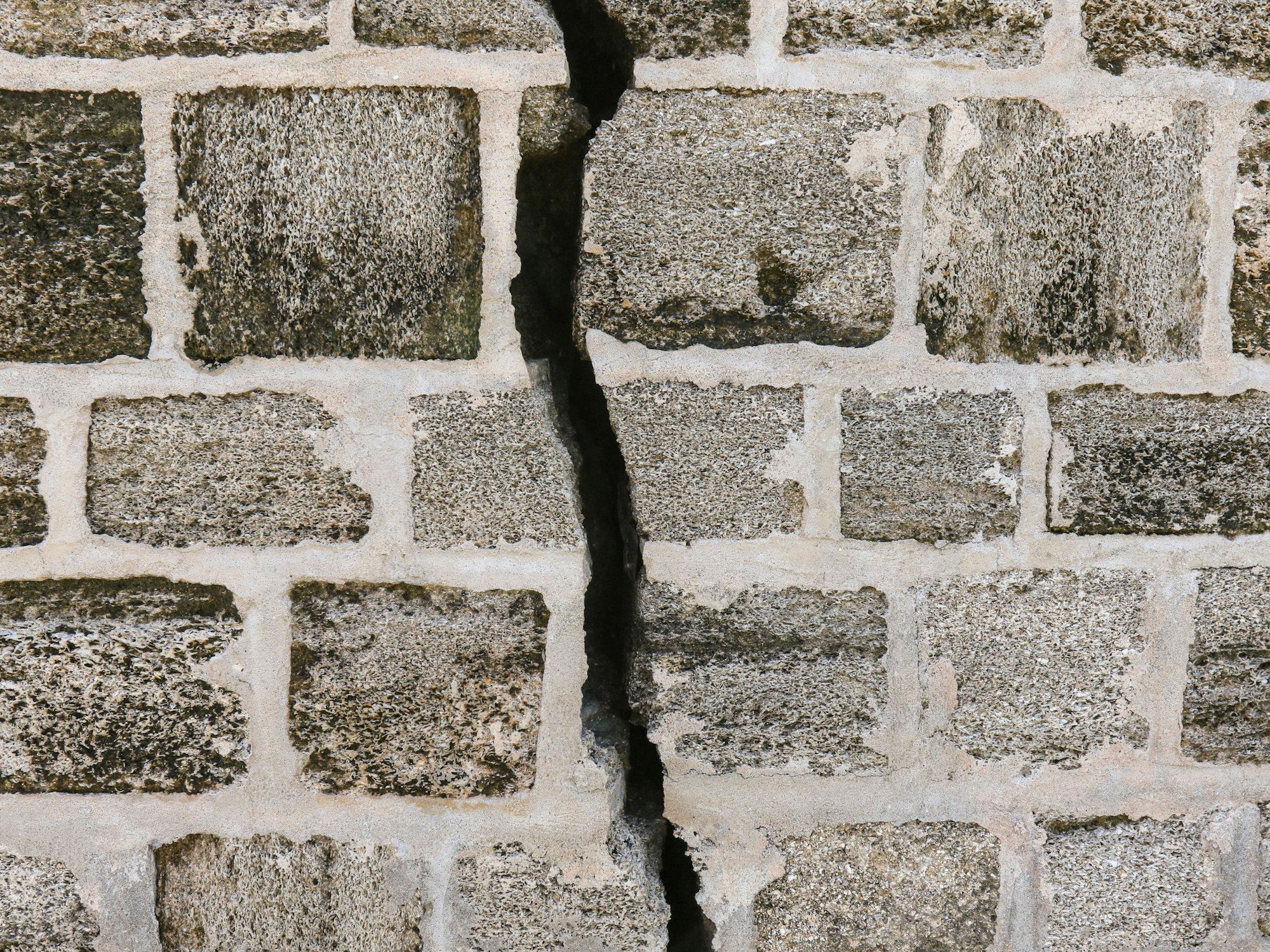
Why the join between old and new brickwork opens up
A house built fifty years ago has settled into the ground beneath it. The foundations have compacted the soil, the brickwork has dried out and stopped shrinking, and the whole structure sits still.
An extension added last year has not done any of that. Its weight is pressing down on soil that has never carried a load before. The mortar is still curing. The timber inside the walls is losing moisture and contracting. So the new part sinks a few millimetres while the old part stays put.
That difference shows itself as a crack running vertically where the two structures meet. Builders sometimes leave a flexible joint here precisely because they expect some movement. When the gap opens beyond what that joint can absorb, you see a line in the plaster inside and a step in the pointing outside.
Most of this early movement stops once the new foundations reach equilibrium with the soil. A crack that appeared in the first year or two and then stayed the same width is usually just the building finding its feet.
Loft conversions and the extra load on old walls
Turning a roof space into a room adds weight to walls that were only ever meant to hold up rafters and tiles. The floor joists push down harder on the tops of those walls, and the load travels through the house to the original footings.
If the existing foundations are shallow, which is common in older homes across Barnet, that extra tonnage presses them deeper into the clay. The walls below the conversion may settle slightly, opening hairline cracks around door frames on the first floor or where internal partitions meet external brickwork.
Steel beams installed during the conversion also expand and contract with temperature changes more than the surrounding masonry does. Where a beam end sits in a pocket cut into an old wall, you might see cracking radiating from that point after the first hot summer.
None of this automatically means the house is failing. It means the structure is adjusting to a new set of forces. A structural engineer can tell you whether the adjustment has finished or is still progressing.
Rear infills and side returns on different foundations
Victorian and Edwardian terraces often have a narrow strip of garden built over to create a wider kitchen. That infill usually sits on its own foundations, separate from the main house. Sometimes those foundations are shallower because the builder assumed a single-storey structure would be lighter.
The main house might rest on footings half a metre deep. The infill might sit on concrete poured only thirty centimetres down. On London clay, that depth difference matters. The clay shrinks in dry weather and swells when wet, and it moves more near the surface. So the infill rises and falls with the seasons while the heavier, deeper-set main wall barely shifts.
You will see this as a diagonal crack starting at the corner where the infill roofline meets the back wall of the house. Inside, the plaster tears along the same line. Outside, the render or pointing splits.
Because the movement follows the weather, the crack may close up in winter and reopen in summer. That seasonal pattern is a strong sign that the ground is moving, not just the building settling.
Which cracks are harmless and which need attention
A thin line, less than a millimetre wide, that appeared soon after building work finished and has not grown since, is generally cosmetic. It can be filled and painted over. Plaster cracks along the tape joint where new plasterboard meets old lath are almost always just drying shrinkage.
Cracks that deserve a closer look behave differently. They get wider over weeks or months. You can fit the edge of a coin into them. They run diagonally rather than following the straight lines of mortar joints. Doors in the extension start sticking against their frames, or windows become hard to latch because the opening has distorted into a parallelogram.
A crack that is wider at the top than the bottom suggests one side is tilting away. A crack that appears suddenly after heavy rain points to water washing soil away or saturating clay unevenly.
If you notice any of these patterns, the next step is monitoring. Tell-tale gauges fixed across the crack record whether it is still moving, how fast, and in which direction. Those readings determine whether a specialist needs to intervene or whether the movement has already stopped.
What happens when ground movement is confirmed
Once monitoring shows ongoing movement, a structural engineer or surveyor will look for the cause. In Barnet, the most common culprit is London clay reacting to moisture changes, often driven by tree roots drawing water from the soil beneath the foundations.
The fix depends on what is causing the problem and how far the structure has moved. If a drain under the extension has fractured and softened the ground, repairing the pipe may be enough. If a nearby tree is drying out the clay, managing the tree's water uptake might stabilise things without touching the foundations.
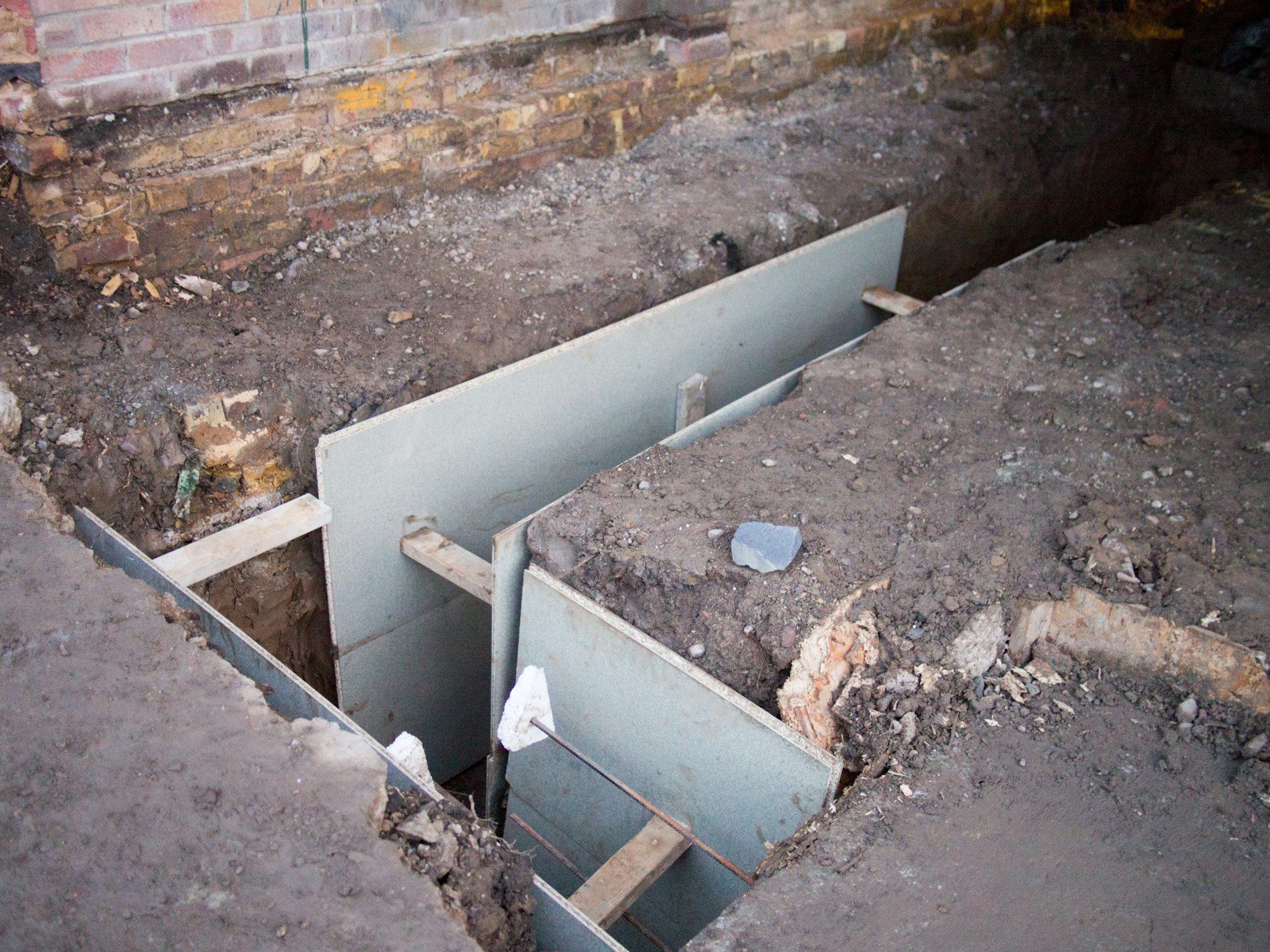
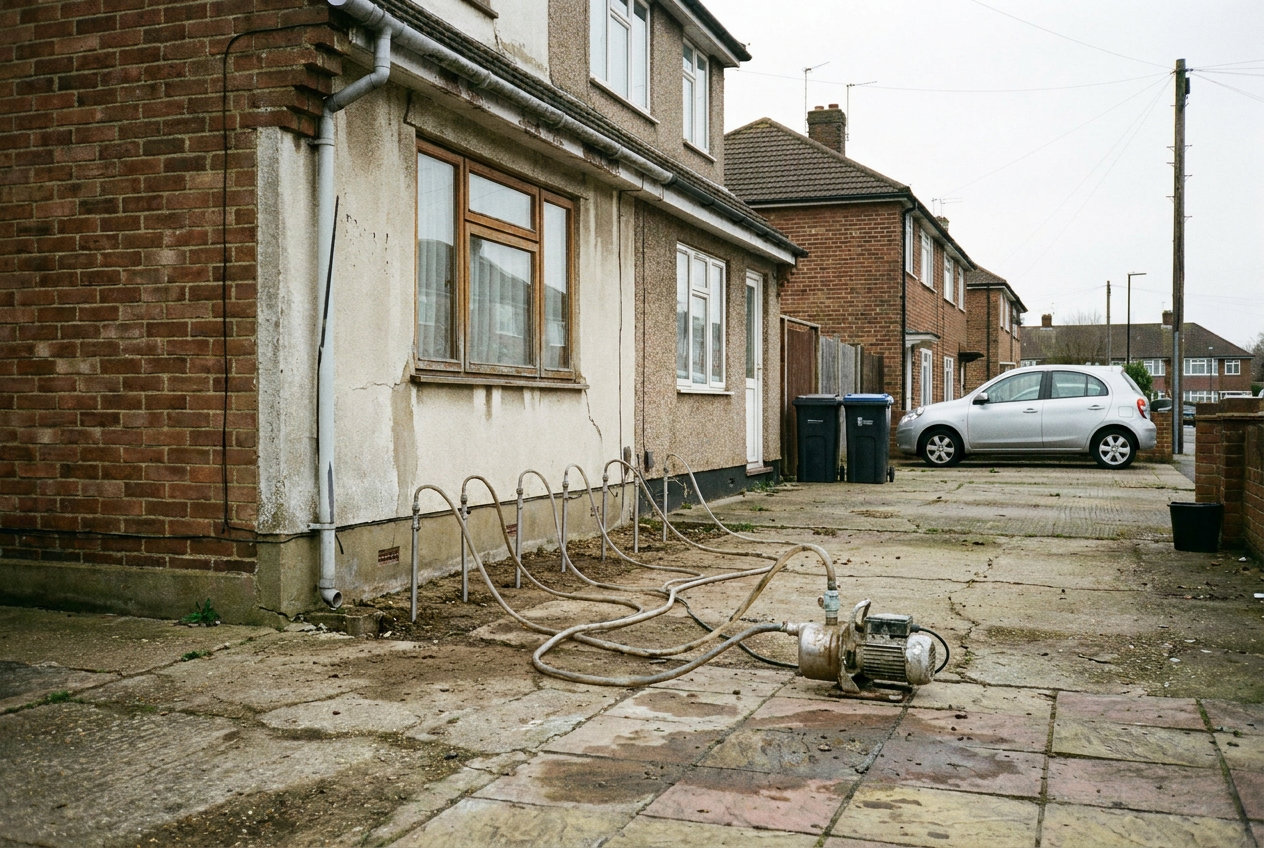
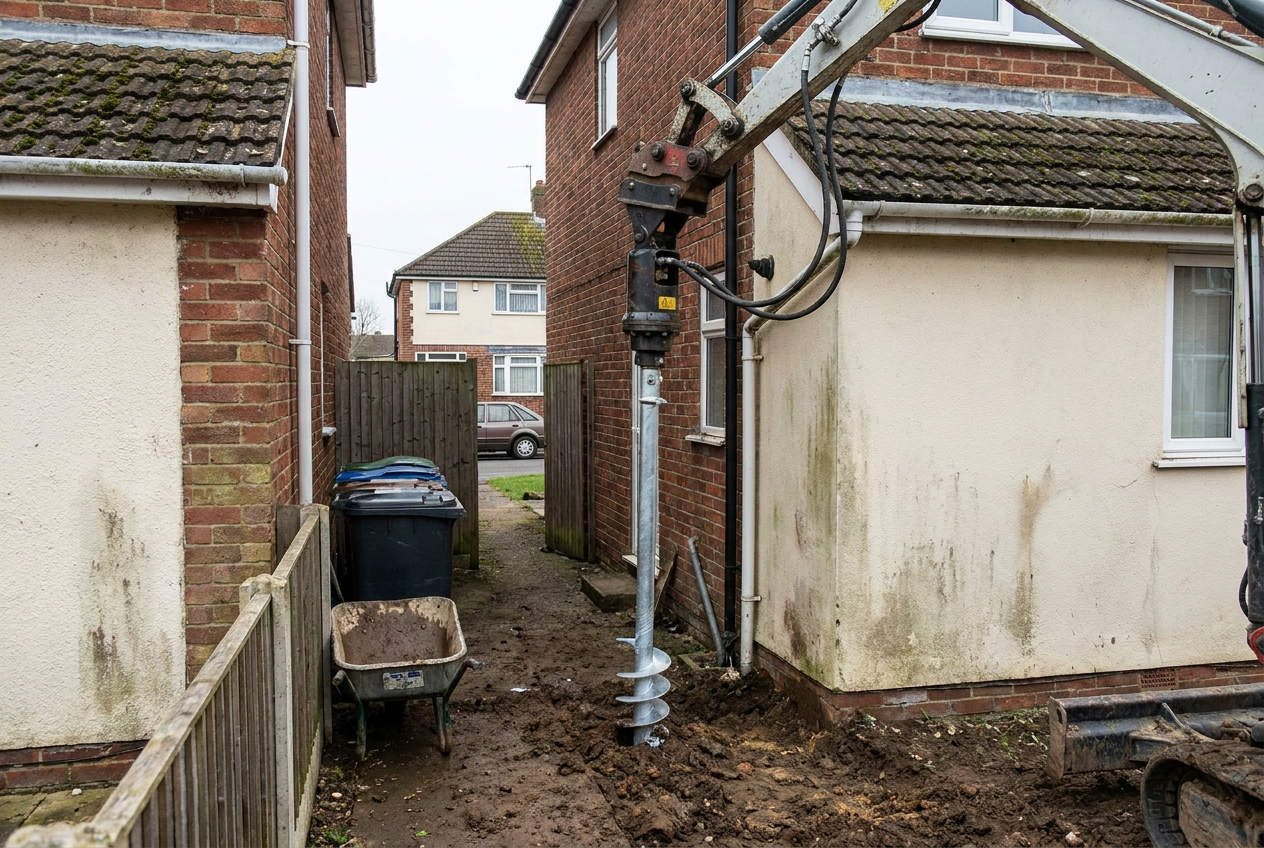
Where the foundations themselves are inadequate for the soil conditions, a specialist contractor may recommend underpinning to deepen them, resin injection to consolidate the ground below, or screw piling to transfer the load to firmer strata further down. Each method suits different situations, and the choice follows from the investigation rather than preceding it.
The important thing is that none of this work starts until the monitoring data and the site investigation agree on what is actually happening below ground.
The crack where my extension joins the house is getting wider
Two parts of a home built at different times carry different weights and sit on different depths of foundation. When the ground beneath them reacts to moisture or load unevenly, the join is where the stress shows first.
- 1
Vertical crack at the join
A straight line running up the wall where the extension meets the original house. Often harmless early on, but widening means ongoing movement.
- 2
Diagonal crack above a lintel
A sloping line spreading from the top corner of a door or window frame in the newer structure. Suggests one side is dropping relative to the other.
- 3
Doors catching on frames
A door that used to swing freely now scrapes the top or side of its frame. The opening has likely distorted as the wall shifted.
- 4
Gaps appearing at skirting boards
The skirting pulls away from the wall near the join between old and new rooms. Points to differential settlement between the two structures.
- 5
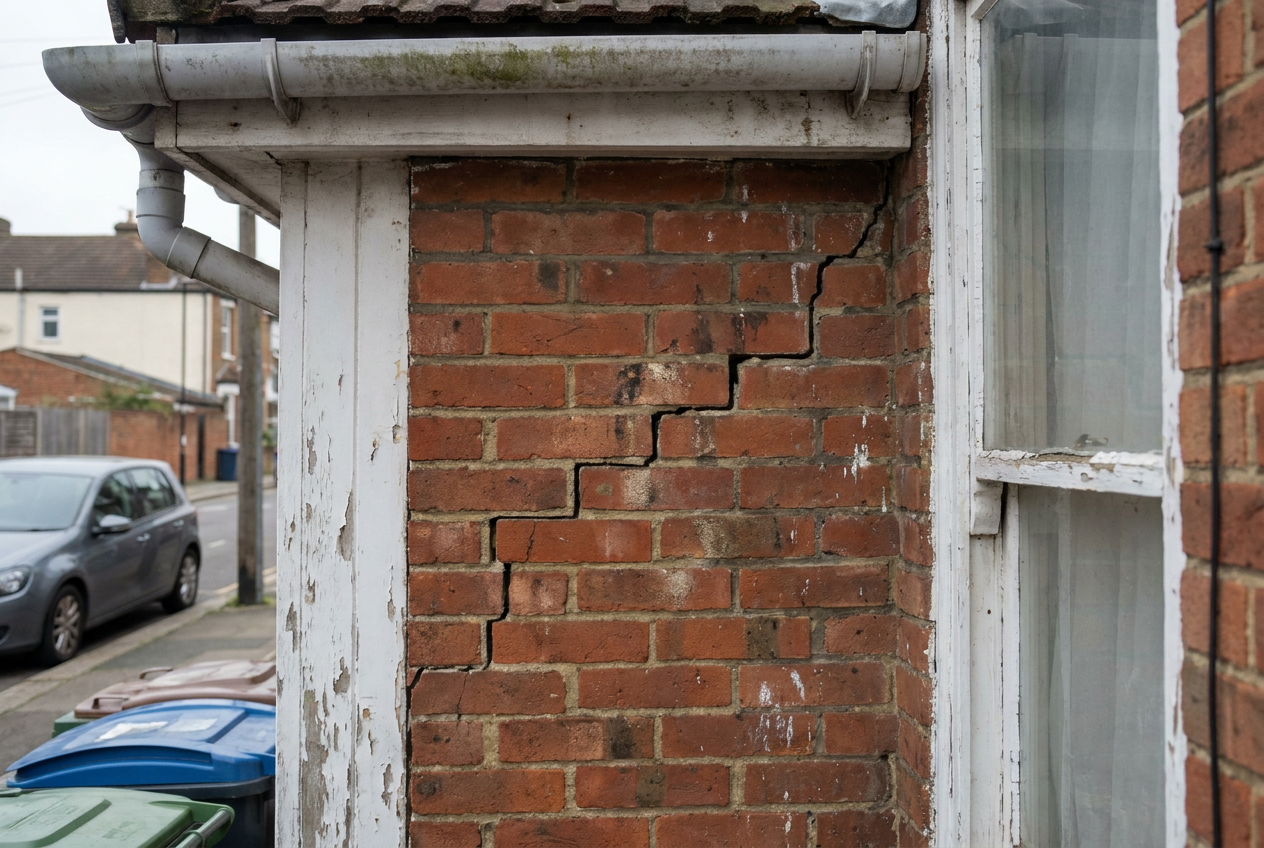
Stepped cracking in outside brickwork
Mortar joints stepping up like stairs along the exterior wall where the extension was tied in. Indicates the newer section is sinking.

Questions about cracks between old and new walls
Will filling the crack stop it coming back?
No. Filler hides the crack but does nothing about the movement causing it. If the ground is still shifting, the filler will split again. The cause needs identifying before any cosmetic repair lasts.
How long should I wait to see if it gets worse?
Do not guess. A specialist fixes small gauges across the crack to measure change accurately over several months. Without readings, you cannot tell if the movement has stopped or is accelerating.
Does a loft conversion always cause cracks below?
No. Properly designed conversions spread the new load safely. But if the existing foundations are shallow or the steelwork was sized incorrectly, the extra weight can press older footings deeper into soft clay.
Is seasonal opening and closing of the crack serious?
It shows the ground is reactive, usually clay swelling in winter and shrinking in summer. Repeated cycles fatigue brickwork over time, so even seasonal movement warrants investigation if the gap grows each year.
Can tree roots affect just the extension?
Yes. If the extension sits closer to a tree than the main house, or its foundations are shallower, roots can dry the soil beneath the newer section alone, causing it to sink while the older walls stay level.
Tell us what you have noticed at the join
Describe the crack and where it sits in your home. A subsidence specialist in Barnet will review the details and advise whether the movement needs investigating. Sending this does not commit you to any work.
- No obligation to proceed
- Local specialists only
- Free initial assessment