Cricklewood
Subsidence in Cricklewood terraces and flats
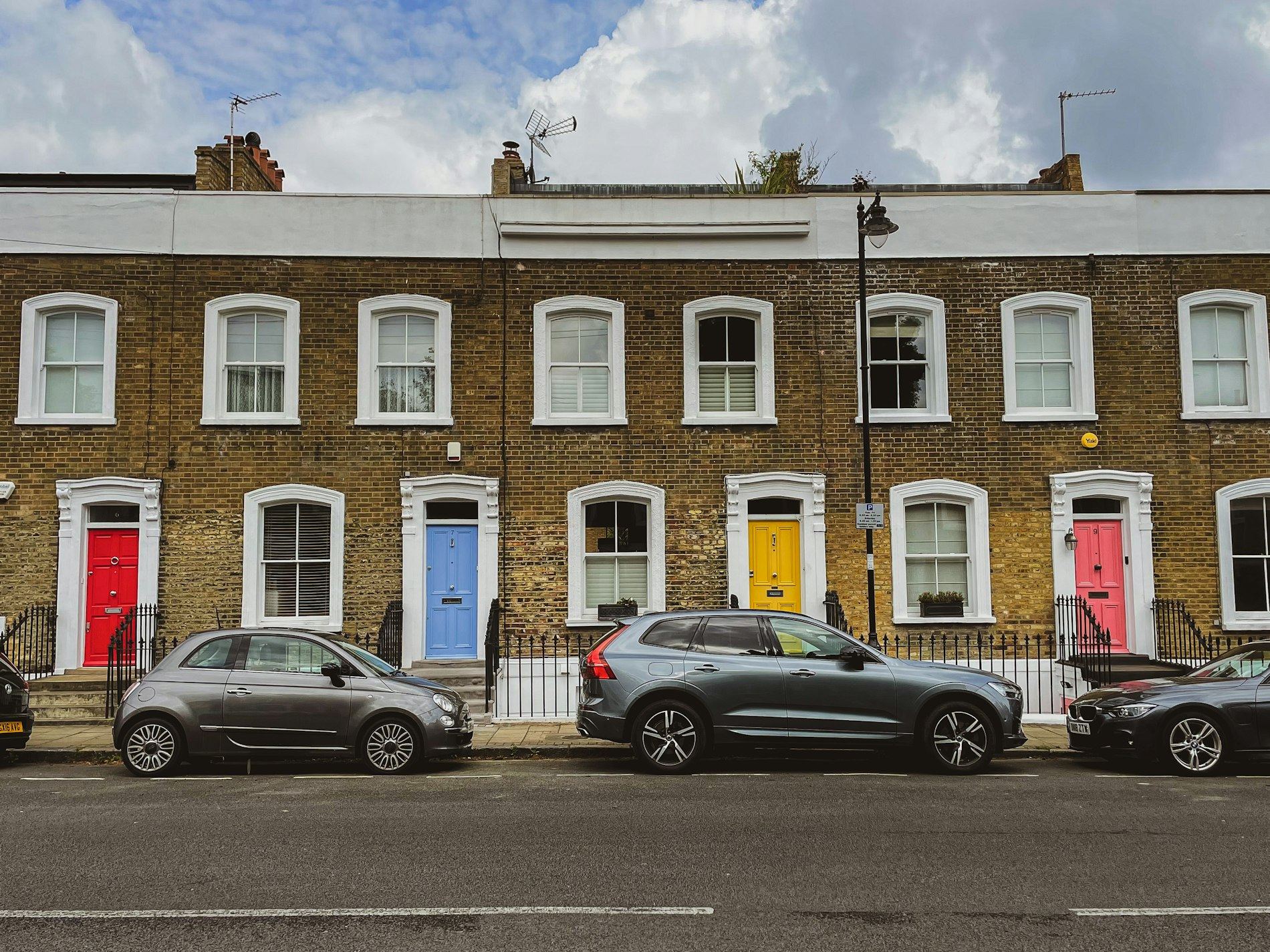
Tightly packed terraces and flat conversions in Cricklewood share walls, drains and shallow foundations. A crack in one home often signals movement next door. Describe what you have noticed and a specialist will assess the problem.
- Movement assessed by a specialist
- Advice specific to shared walls
- No obligation to proceed
Describe the cracks you see
How specialists address subsidence in Cricklewood
Different ground conditions and building types require different methods. The right approach depends on what the soil is doing and how the structure responds to it.
-
Subsidence Help
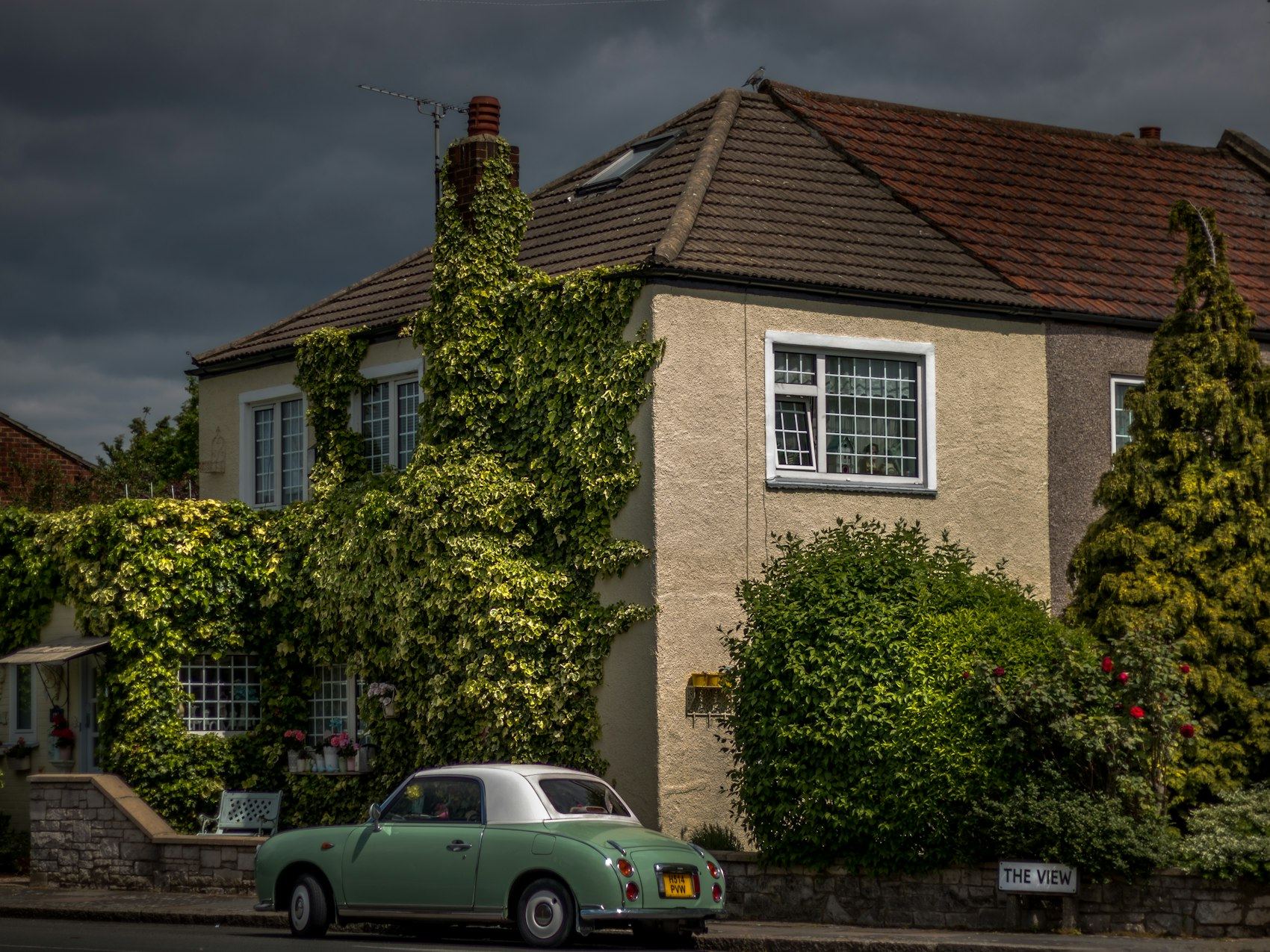
A specialist examines the cracks, checks the drainage and determines whether the movement is ongoing or has already stopped.
-
Underpinning
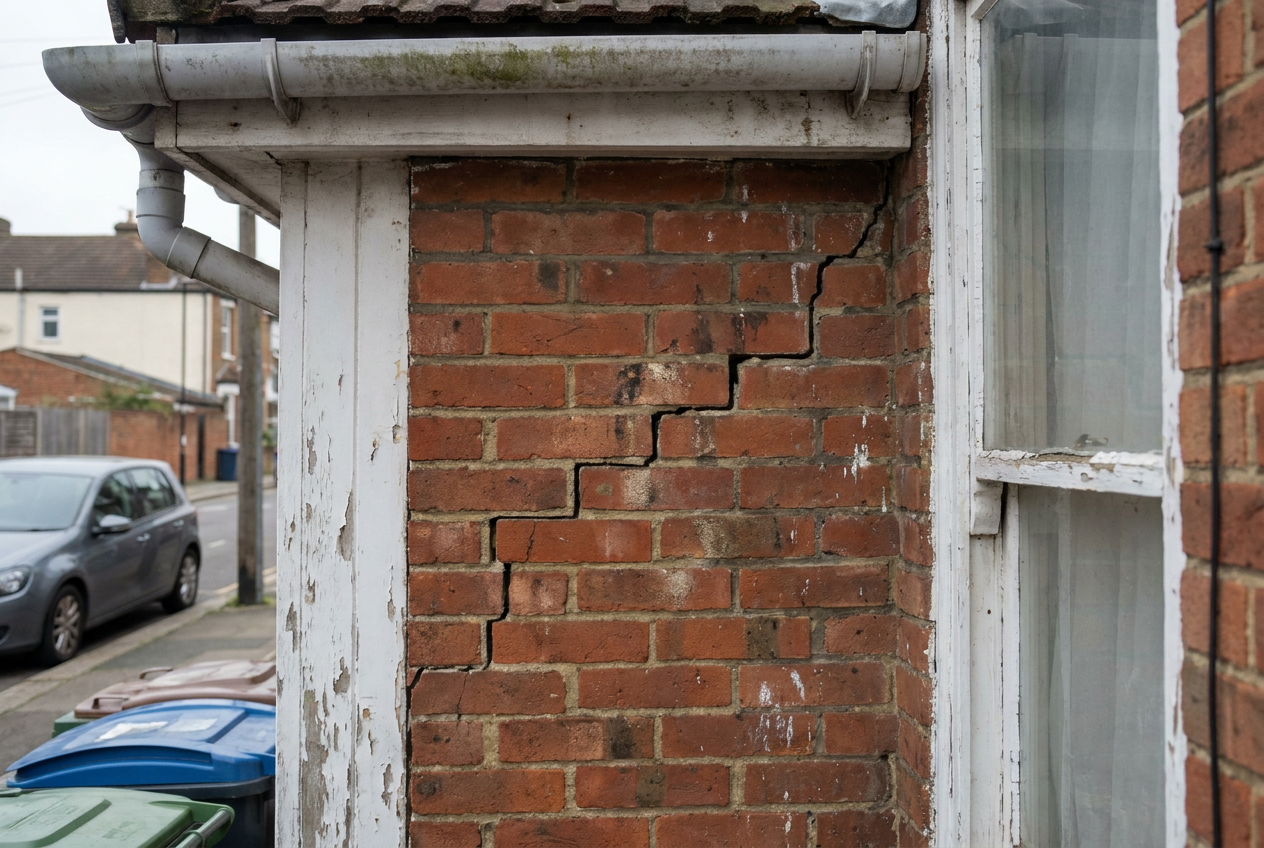
Where foundations need strengthening, a specialist excavates below the existing footings and pours new concrete to stabilise the wall.
-
Resin Injection
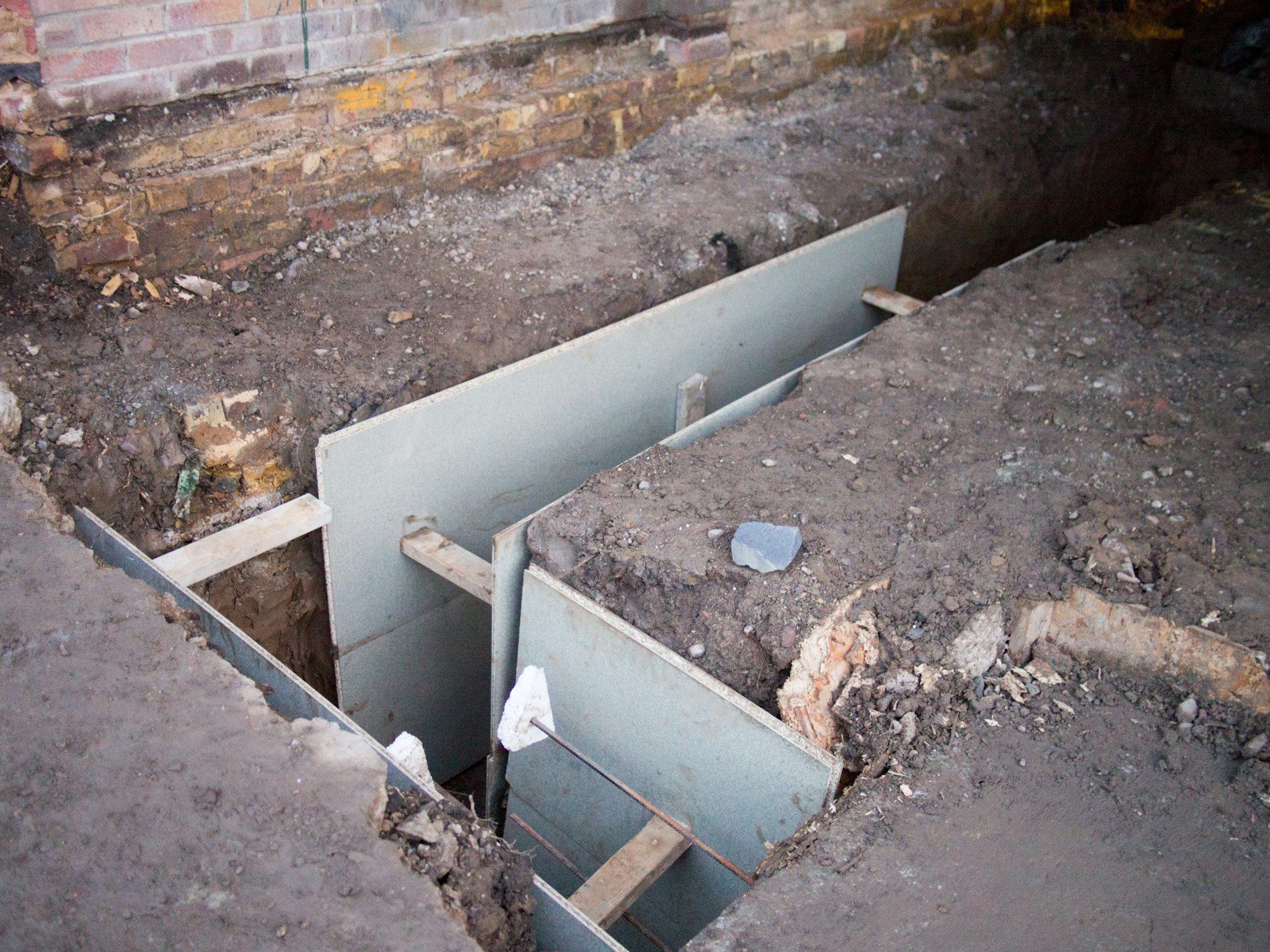
A specialist pumps expanding resin beneath the footing to fill voids and compact loose soil without large excavations.
-
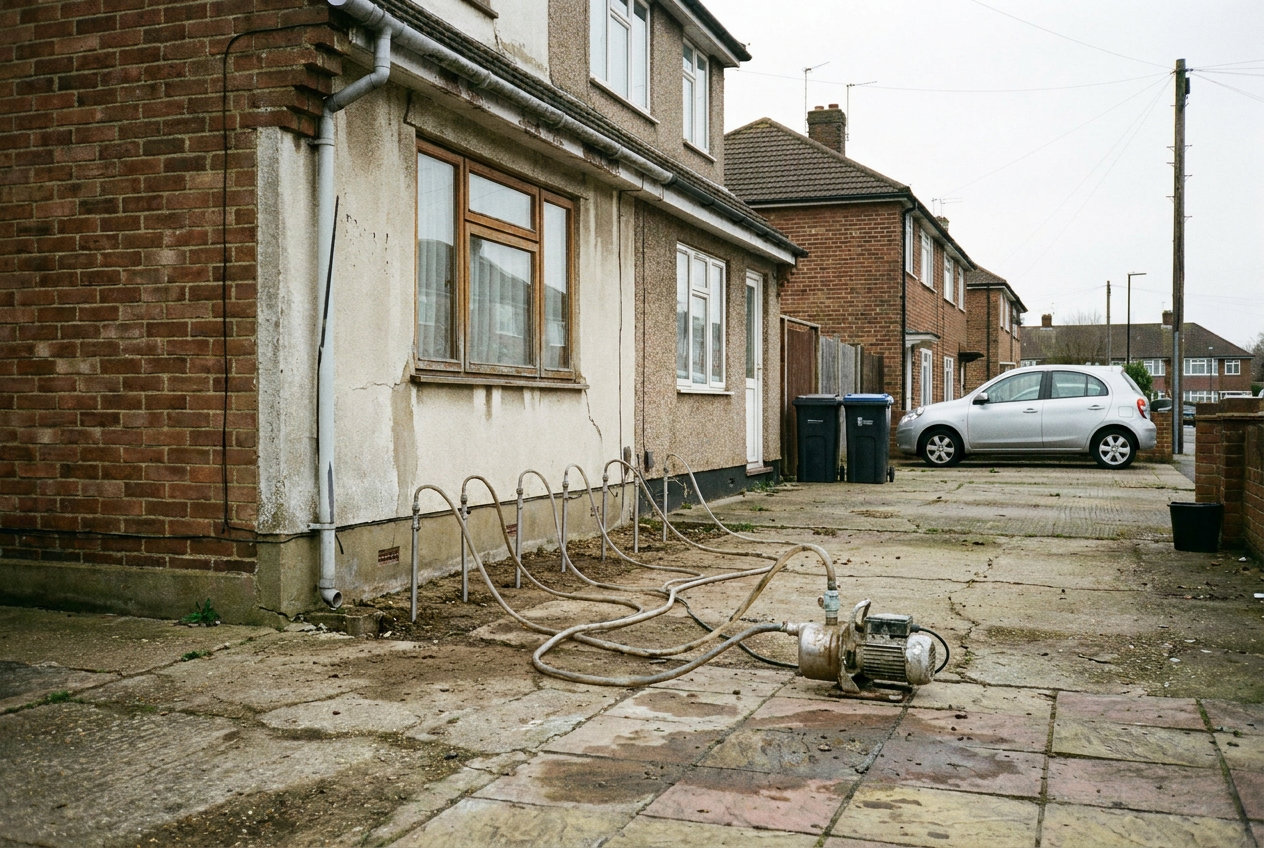
Concrete Cracking
When a floor slab splits, a specialist identifies whether the cause is heave, settlement or a failing damp proof membrane.
-
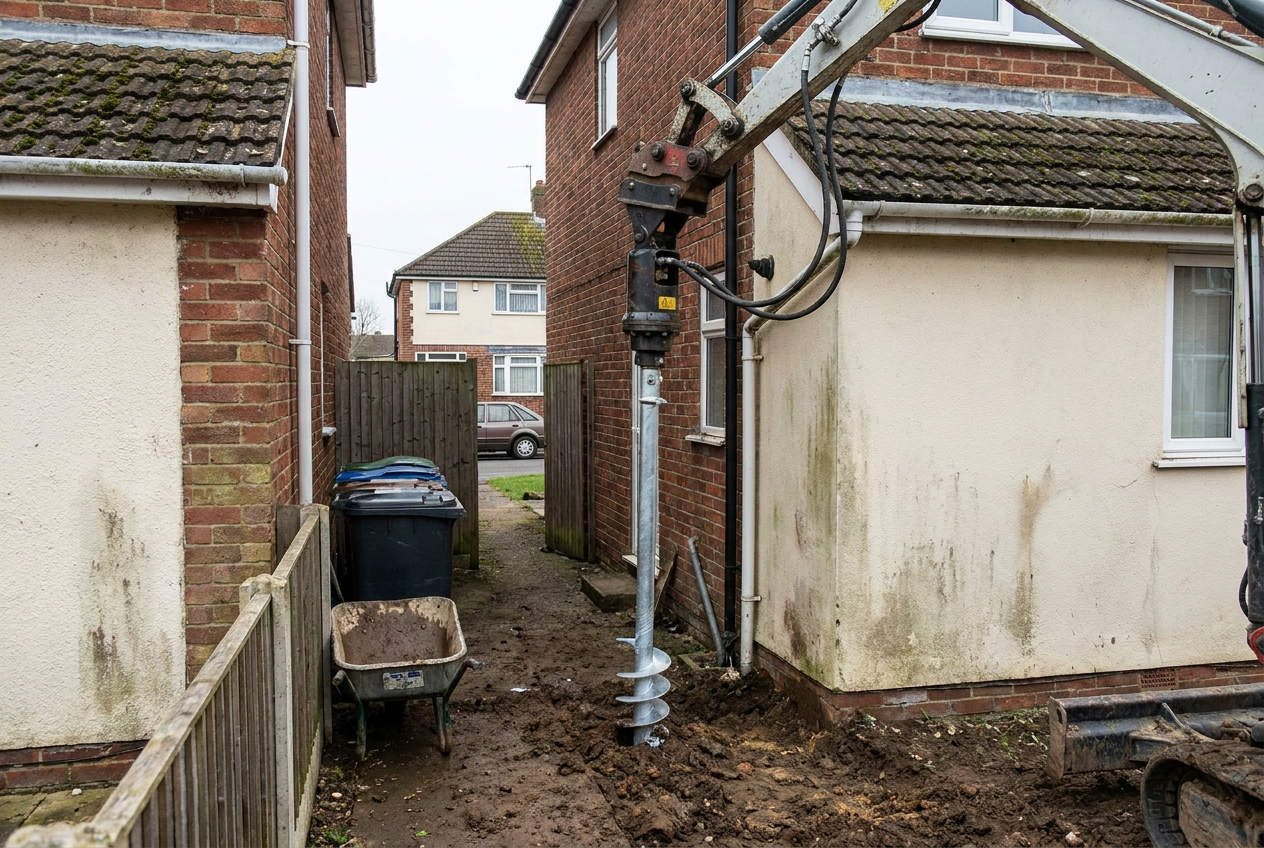
Screw Piling
In restricted spaces between terraces, a specialist drives steel screw piles deep into stable ground to support new loads.
Shared problems
Why Cricklewood terraces move together
Period housing here sits on London clay, built close together with drainage that has served several households for over a century.
- London clay shrinking The clay beneath Cricklewood swells when wet and shrinks when dry. Tree roots accelerate this cycle, pulling moisture from the soil directly under the footings.
- Shared party walls A terrace moves as a connected row. When one house settles, the rotation pulls on the brickwork next door, opening diagonal cracks along the join.
- Aged Victorian drains Clay pipe runs from the 1890s fracture over time. Water escaping underground washes fine particles away from the foundation trench and leaves a void.
- Flat conversions Splitting a house into flats adds internal partitions and services. Extra weight on shallow original footings can trigger localised settlement in the soft clay.
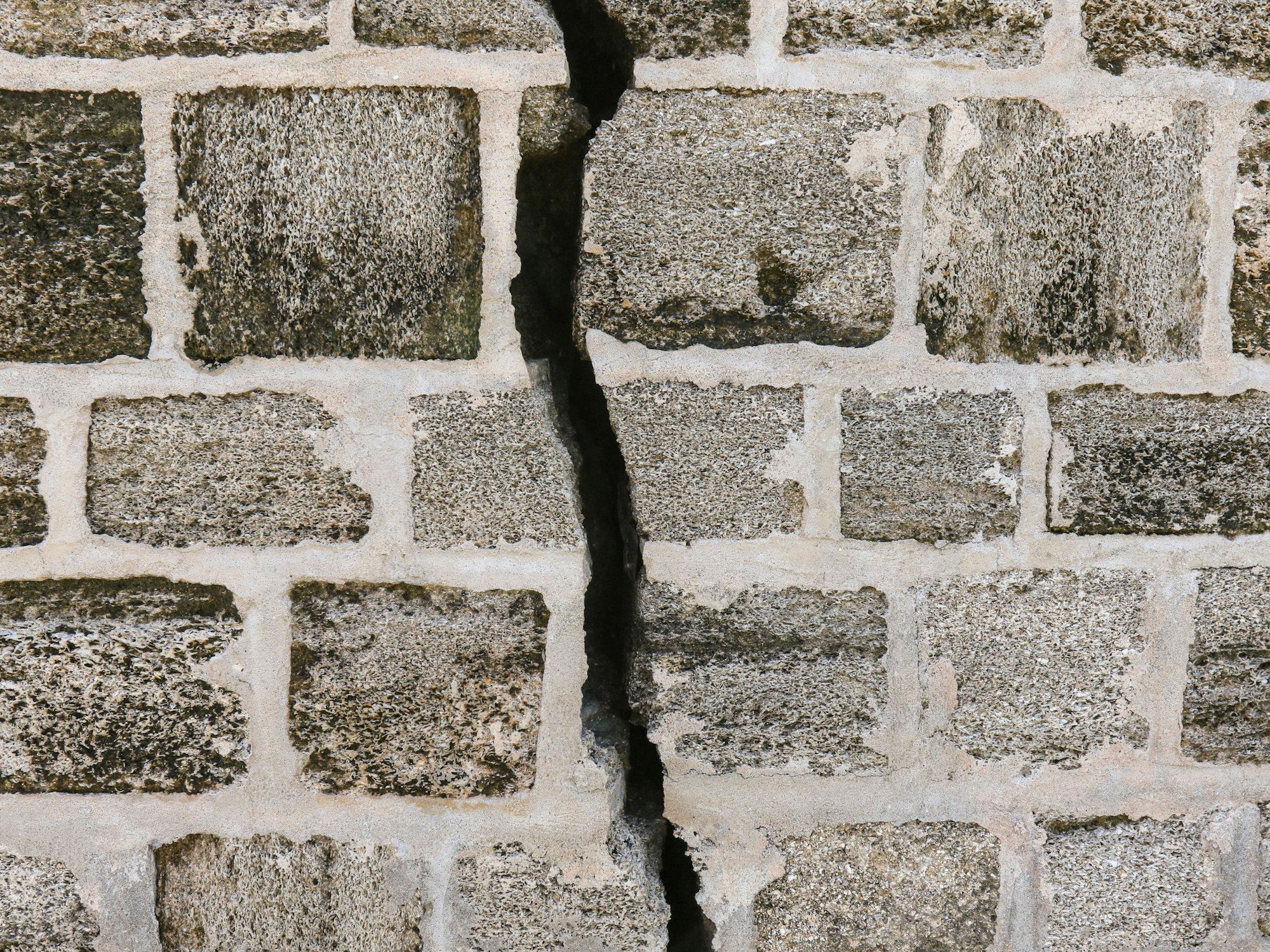
Warning signs
What to look for around your home
- Diagonal cracks in plaster
- Cracks wider at the top than the bottom, running across internal walls near window openings, suggest one side of the house is dropping.
- Doors catching on frames
- A door that suddenly sticks or leaves a wider gap at the top indicates the frame has distorted because the wall around it has shifted.
- Leaning bay windows
- Bay windows project beyond the main wall and rest on their own small foundations. They tilt outward when the soil beneath them dries and contracts.
- Cracks at extension joins
- Extensions usually have shallower foundations than the original house. A vertical crack where the two meet shows they are settling at different rates.
- Gaps under skirting boards
- When a floor drops away from the wall, a visible gap opens behind the skirting. This points to downward movement rather than simple timber shrinkage.
- Sticking sash windows
- Timber sash boxes distort when the surrounding brickwork moves. If both sashes jam simultaneously, the opening itself has likely changed shape.
Areas covered across Barnet
Specialists handle enquiries from every part of the borough. Whether your home is a Victorian terrace or a converted flat, the same assessment process applies wherever you live in Barnet.
- Childs Hill
- Cockfosters
- Colindale
- Cricklewood
If your street is not listed, send an enquiry anyway. Coverage extends across the whole borough.
Find out what the movement means for your home
Describe the cracks, sticking doors or leaning walls you have noticed. A specialist will read the symptoms and advise on the next step.