Concrete and floors
Cracked concrete floor slab: why it splits and sinks
A crack running across a garage floor or a hollow sound under the kitchen tiles has its own set of causes. Find out why concrete slabs drop or split, what a specialist looks for, and how they stabilise the ground beneath.
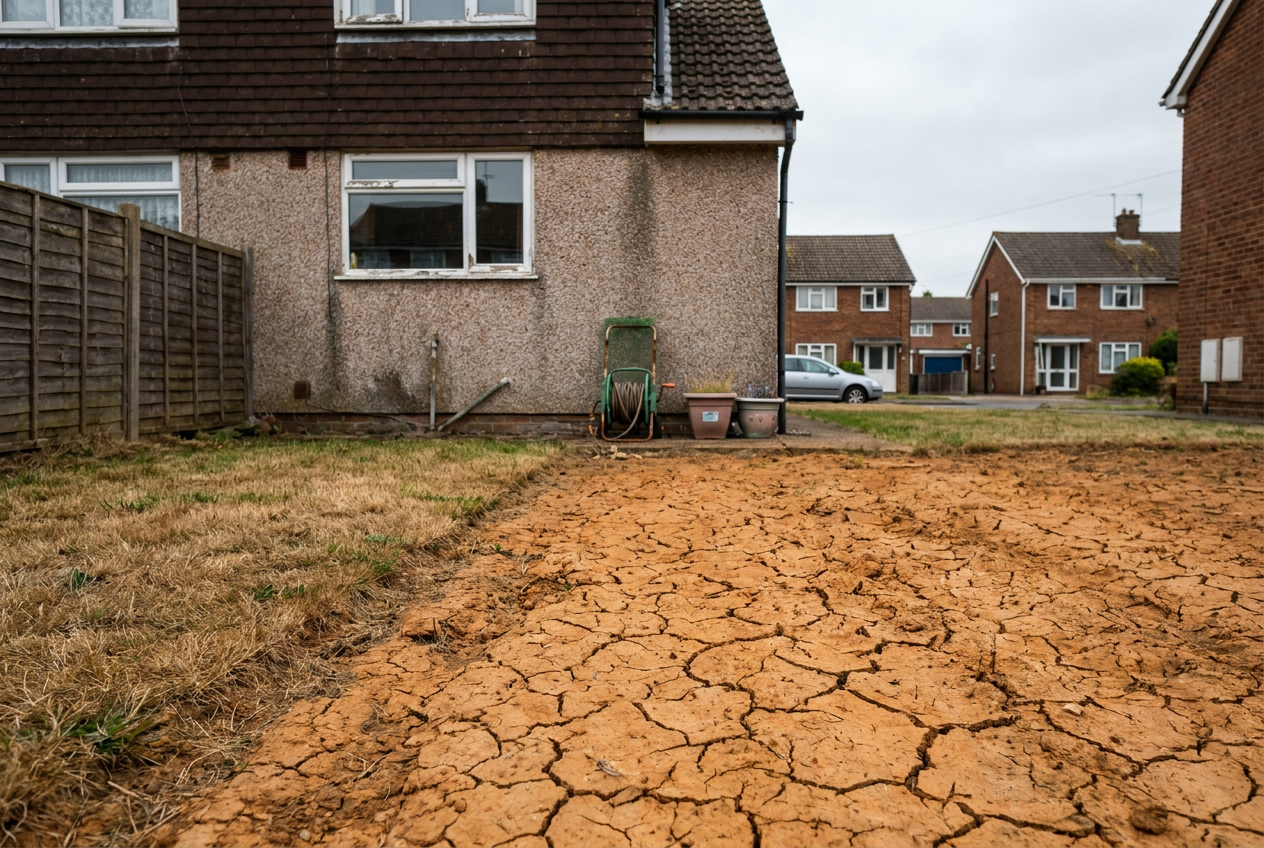
Repairs for cracking and dropped slabs
Different ground conditions call for different repairs. A specialist will choose the method that suits the soil beneath your home and the scale of the movement they find.
-
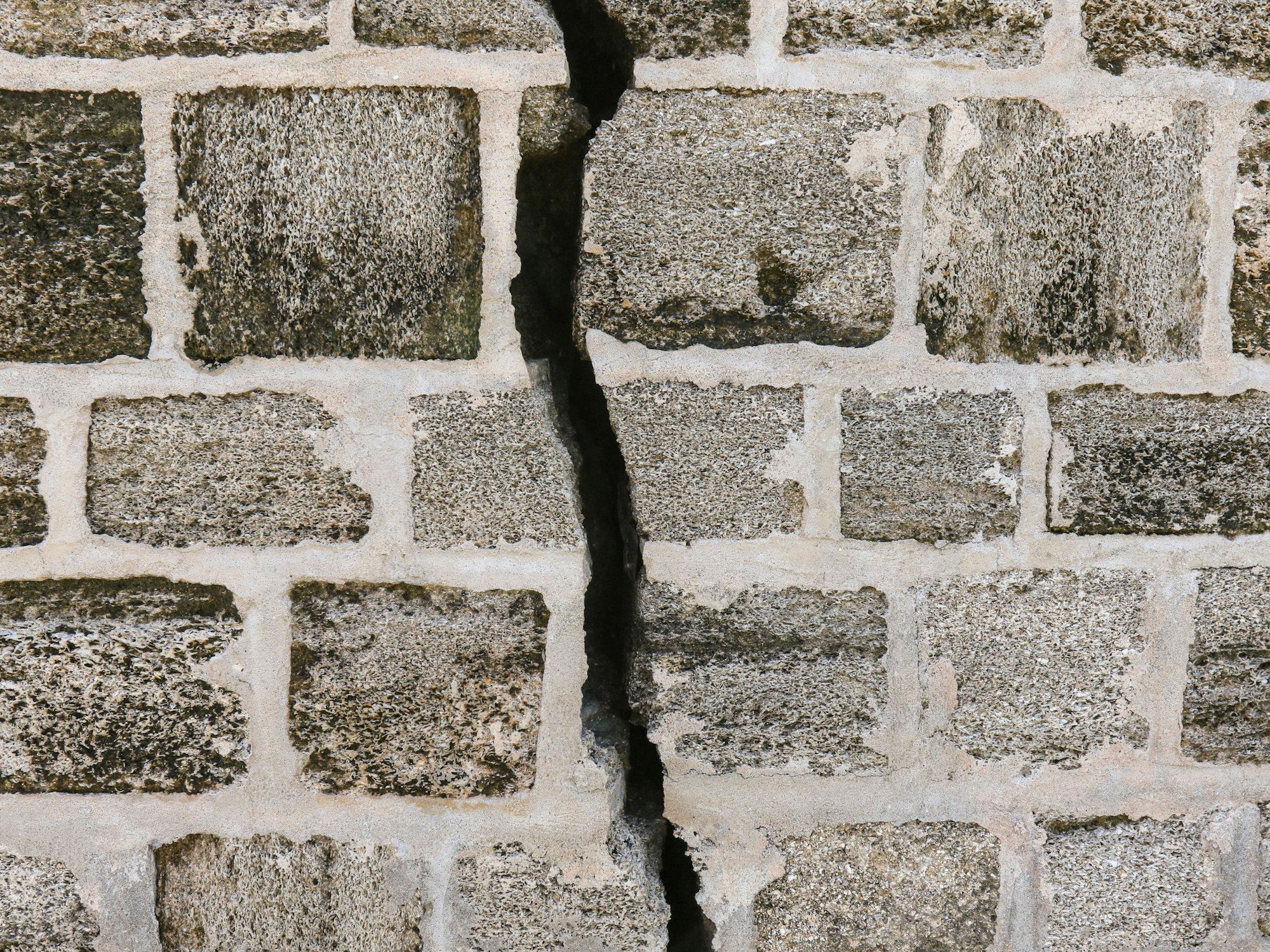
Subsidence Help
A structural engineer visits your home, inspects the slab and surrounding ground, and writes a report setting out the cause and the repair needed.
-
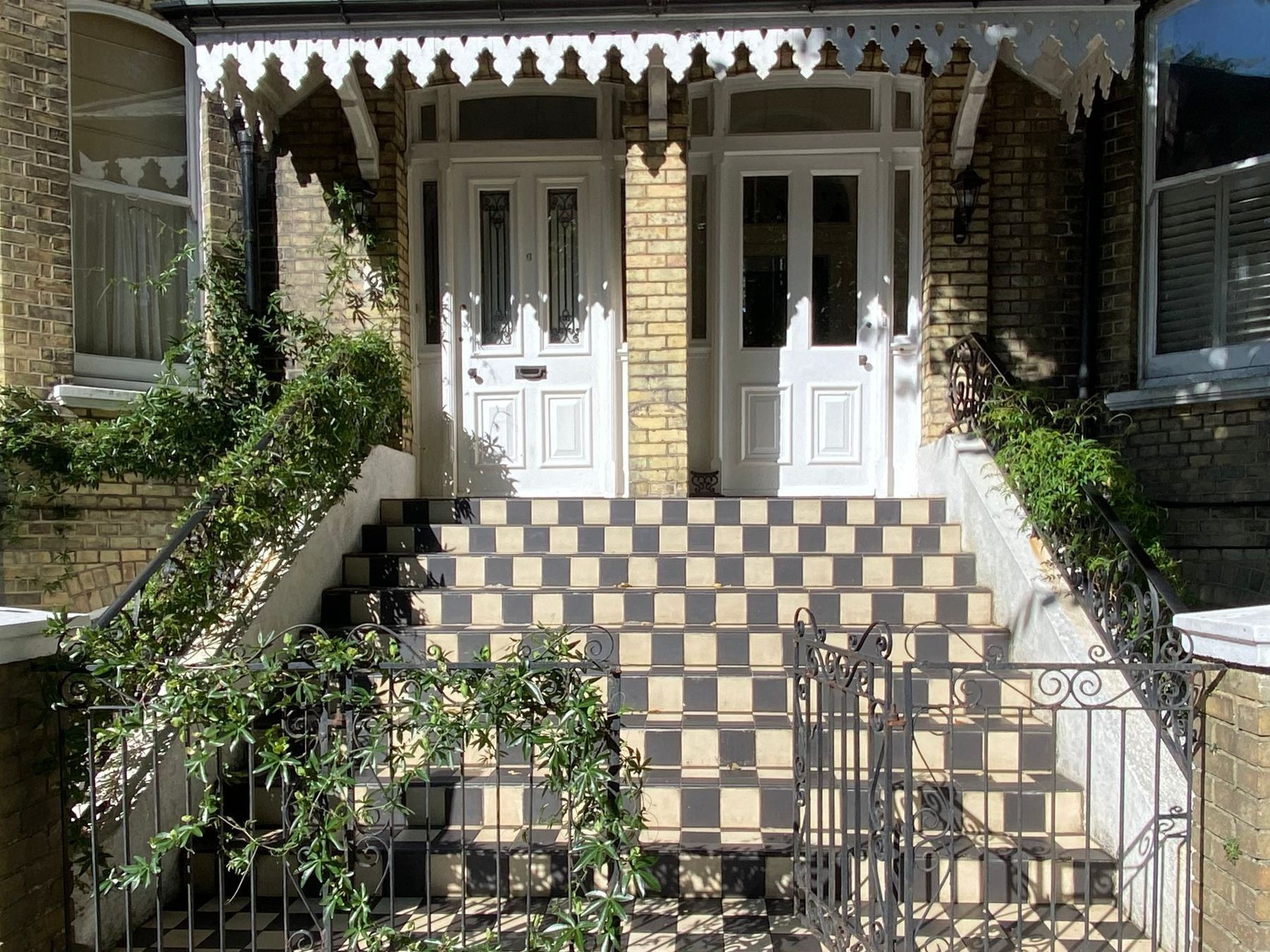
Underpinning
A foundation contractor excavates below the failing slab and pours new concrete to transfer the load down to stable ground.
-
Resin Injection
A groundworks firm drills small holes through the concrete and pumps expanding resin into voids below, lifting the slab back towards level.
-

Screw Piling
A piling contractor drives steel helical piles through soft fill until they reach firm strata, then brackets the slab to them.
Signs to look for
How slab problems show up in a home
Walls are not the only place movement leaves a mark. Floors, driveways and garages all sit on ground that can shrink, wash out or compress.
- Hollow sounds underfoot Tap the floor with a coin or knuckle. A drum-like ring means the screed or slab has separated from the sub-base below it, leaving a void.
- Dropped thresholds Where a door frame meets the floor, a step that was once flush now drops. The slab beneath has settled while the walls stayed put.
- Cracks across a garage floor A line running corner to corner, or a web of cracks near the apron, points to the concrete moving independently of the main house foundations.
- Puddles on hardstanding Driveways and paths should shed water. A dip that holds rain after the rest has dried shows the ground underneath has compressed or washed away.

Your part and theirs
You describe what you have noticed and let someone in. The specialist handles the investigation, the engineering decisions and the physical repair work from start to finish.
What a specialist does
- Survey the slab, measure levels and inspect drainage runs nearby
- Take soil samples or review existing borehole data for the street
- Specify the repair method suited to the ground conditions found
- Carry out the stabilisation work and monitor levels afterwards
- Provide a completion report detailing what was done and why
What you do
- Note where the crack is and roughly when you first saw it
- Clear a path so the engineer can reach the affected floor area
Documents you receive after the visit
A proper investigation produces written evidence. You get a record of what the engineer found, what it means for your home, and exactly what needs doing next.
Site inspection report
A written account of the damage observed, measurements taken, and the likely cause of the movement beneath the slab.
Soil assessment
Details of the ground type, moisture readings and any drain testing that explains why the concrete lost support.
Repair specification
The exact method recommended, drawings showing where work happens, and notes for any contractor pricing the job.
Questions about floor slabs
- Is a cracked garage floor serious?
- It depends on width and direction. Hairline crazing is common shrinkage. A crack you can fit a coin into suggests the base has moved.
- Can resin lift a heavy concrete slab?
- Yes, if the void beneath is mapped first. The resin expands against firm ground, raising the slab in controlled increments.
- Do I need underpinning for a patio?
- Rarely. Patios usually sit on compacted hardcore. If one has dropped badly, re-laying it on a deeper base often costs less than underpinning.
- Will my buildings insurer cover this?
- They cover subsidence, but not wear. An engineer's report proving ground movement is what triggers the policy response.
Tell us what you have noticed
Describe the crack, the room it is in, and when you spotted it. A specialist reviews the details and arranges a survey if the signs point to ground movement. There is no fee for the initial read.
- No obligation to proceed
- Read by a local specialist
- Advice based on your description