Made ground
House built on infilled ground in old brickfields
Parts of Barnet sit on ground that was dug out for bricks or gravel, then filled back in. That fill settles unevenly over decades. Find out why a house built in the 1930s or later can still move, and what lies beneath it.
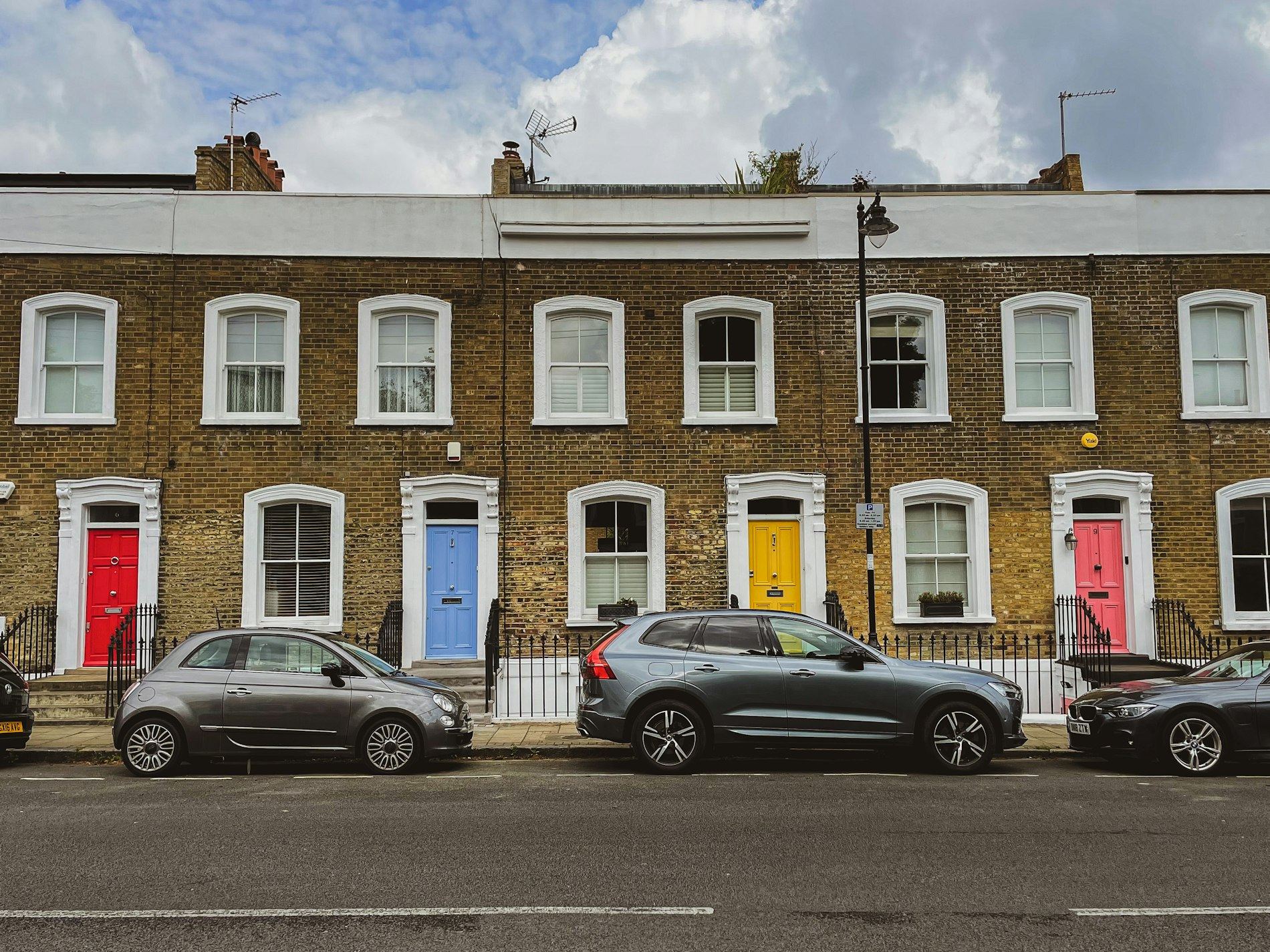
Where the brick pits and gravel workings were
Barnet grew fast between the wars. Developers needed land, and much of what they bought had already been dug up. Brick clay was extracted across Edgware, Burnt Oak and Hendon to feed local kilns. Gravel was taken from pits near Dollis Brook and the valleys running south towards Golders Green. Once the useful material was gone, the holes were filled with whatever was cheap and close: rubble, household waste, chalk dug from elsewhere, even the spoil from other building sites.
The filling happened quickly, because the next step was laying roads and selling plots. Nobody compacted the fill in engineered layers the way a modern civil engineering project would demand. The ground was simply levelled off so foundations could be poured. Streets of semi-detached houses went up on top of this made ground, and for many years the fill stayed quiet. But loose material keeps settling under the weight above it, and that process takes far longer than a single human lifetime.
Why poorly compacted fill keeps moving
Soil that is tipped into a hole without being compressed layer by layer contains air voids. Over time, those voids collapse. Rainwater percolating through the ground washes fine particles deeper, leaving larger gaps near the surface. The result is uneven settlement. One corner of a house might sit on fill that has consolidated fully, while another sits on material that is still compressing.
This movement is different from the seasonal shrinking and swelling of London clay. Clay subsidence follows the weather and the trees. Settlement in made ground follows its own slower clock. A house can stand for fifty or sixty years before the differential movement becomes large enough to crack plaster or jam a door. Interwar homes in Barnet are now approaching their centenary, so the fill beneath them has had almost a hundred years to rearrange itself. Some areas have finished settling. Others have not, particularly where the original pit was deep or the fill contained organic material that rots away slowly.
Infilled ponds and buried watercourses
Brick pits and gravel workings are not the only voids hidden under Barnet streets. Small farm ponds, drainage ditches and sections of brook were routinely filled in when land changed hands from agriculture to housing. Waterlogged ground behaves differently from dry fill. Saturated material compresses more easily, and if the water table drops, perhaps because of new drainage or a long dry spell, the ground loses buoyancy and sinks further.
A pond that was filled with soft silt and topped with rubble creates a pocket of weakness. The foundations crossing that pocket bear down on something far softer than the natural clay or gravel beside it. Houses built over these features often show cracking concentrated in one specific area, rather than spread evenly along a wall. The pattern points directly at what is buried below.
What boreholes and trial pits reveal
When a structural engineer suspects made ground, the specialist firm digs trial pits or drills boreholes. A trial pit is a trench cut next to the foundation, deep enough to show what the house actually sits on. You can see the change from topsoil to fill, and from fill to natural ground, with your own eyes. Boreholes go deeper. They extract continuous cores of soil so the full depth of the made ground can be measured and tested.
These investigations answer two questions. First, how thick is the fill? If it is only half a metre deep, the existing foundations might already reach natural ground, and the problem lies elsewhere. If it is three metres deep, the footings are floating in loose material. Second, what is the fill made of? Organic waste will continue to rot and compress. Clean brick rubble might have stopped settling decades ago. The answers determine whether resin injection, traditional underpinning or screw piling is the right repair. Read about how specialists approach <a href="/underpinning">underpinning in Barnet</a> or <a href="/screw-piling">screw piling under a house</a> when deep fill is found.
Modern houses are not immune
There is a common assumption that older means weaker, so newer houses must be safe from ground movement. Post-war estates in Colindale and parts of Mill Hill were built faster and sometimes on less carefully prepared land than their Victorian predecessors. Planning controls tightened over the twentieth century, but enforcement varied, and developers under pressure to deliver housing did not always wait for ground conditions to stabilise.
A house built in 1960 on a former allotment that had been used as a tipping site faces the same physics as an interwar semi on a brick pit. The age of the building matters less than the history of the soil beneath it. When cracks appear in a relatively modern home, the cause is frequently the ground it was built on rather than the standard of the construction above it.
Signs your home might be built on made ground
Settlement in filled ground produces distinct patterns of damage. The movement is usually slow and uneven, affecting one part of the house more than another.
- 1
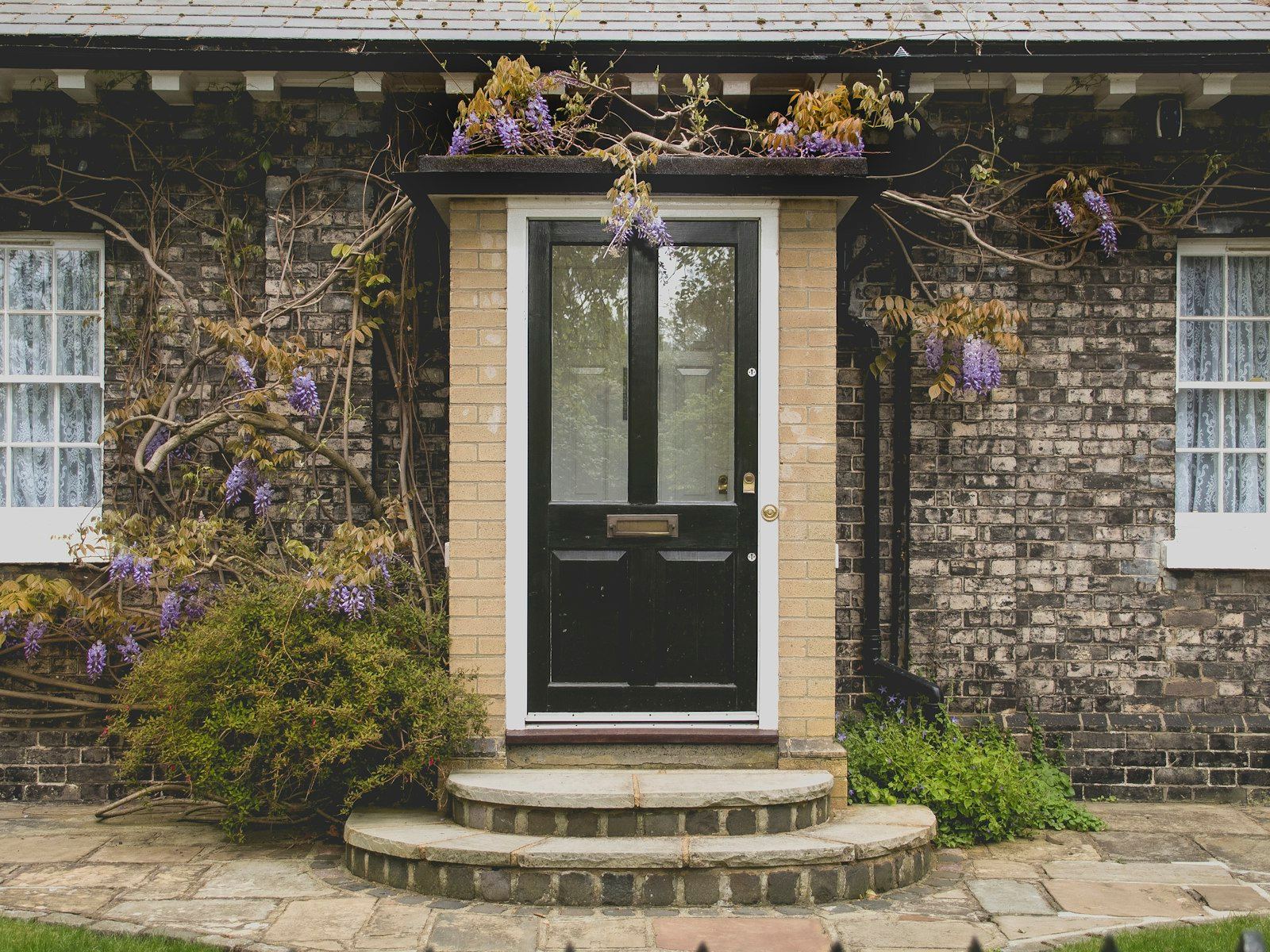
Cracks wider at one end
A diagonal crack that tapers from top to bottom often points to one side of the foundation sinking deeper into soft fill than the other.
- 2
Doors catching on frames
A door that sticks at the top corner, or no longer latches, suggests the frame has twisted as the wall behind it settled unevenly.

- 3
Sloping floors
A marble rolled across the room gathers speed in one direction. This indicates the floor slab or joists have tilted as the ground compressed.

- 4
Gaps around window frames
Daylight visible between the frame and the brickwork, or sealant pulling away, shows the opening has distorted while the rigid frame stayed square.
Questions about houses on filled ground
How do I find out if my house is on a former pit?
Historical Ordnance Survey maps show brick fields, gravel pits and ponds that predate your street. A specialist investigating the ground will also dig trial pits or drill boreholes to measure the fill directly.
Will the ground ever stop settling?
Loose fill eventually consolidates, but the timeline depends on its depth and composition. Organic material continues to decay for decades. Mineral rubble may have stabilised already. Testing reveals which applies to your home.
Can resin injection fix a house on deep fill?
Resin works well where the fill is shallow and the goal is to compact the upper layers. Where made ground extends several metres down, a specialist may recommend piles driven through the fill to solid strata instead.
Is this the same thing as clay subsidence?
No. Clay subsidence happens when tree roots extract moisture and the soil shrinks. Made ground settlement happens because loose fill compresses under the weight of the building. The causes and the repairs differ.
Does my home insurance cover made ground settlement?
Most policies cover subsidence, but insurers define it specifically. Gradual settlement of poorly compacted fill is sometimes excluded as a construction defect. Your policy wording determines what is covered.
Find out what lies beneath your home
Describe the cracks or movement you have noticed. A specialist will review the details and arrange the right investigation, whether that means trial pits, boreholes or monitoring. Sending an enquiry does not commit you to any work.
- No obligation to proceed
- Local ground knowledge
- Specialist-led investigations