Describe what you have noticed
New Southgate
Subsidence in New Southgate: causes of cracks
A crack in a Victorian terrace or a sticking door in a converted flat can be hard to judge. Send details about what you have noticed at your home. A specialist covering New Southgate will review it and advise you on the next step.
- No charge for the initial enquiry
- Specialists who know local ground
- Advice based on what you describe
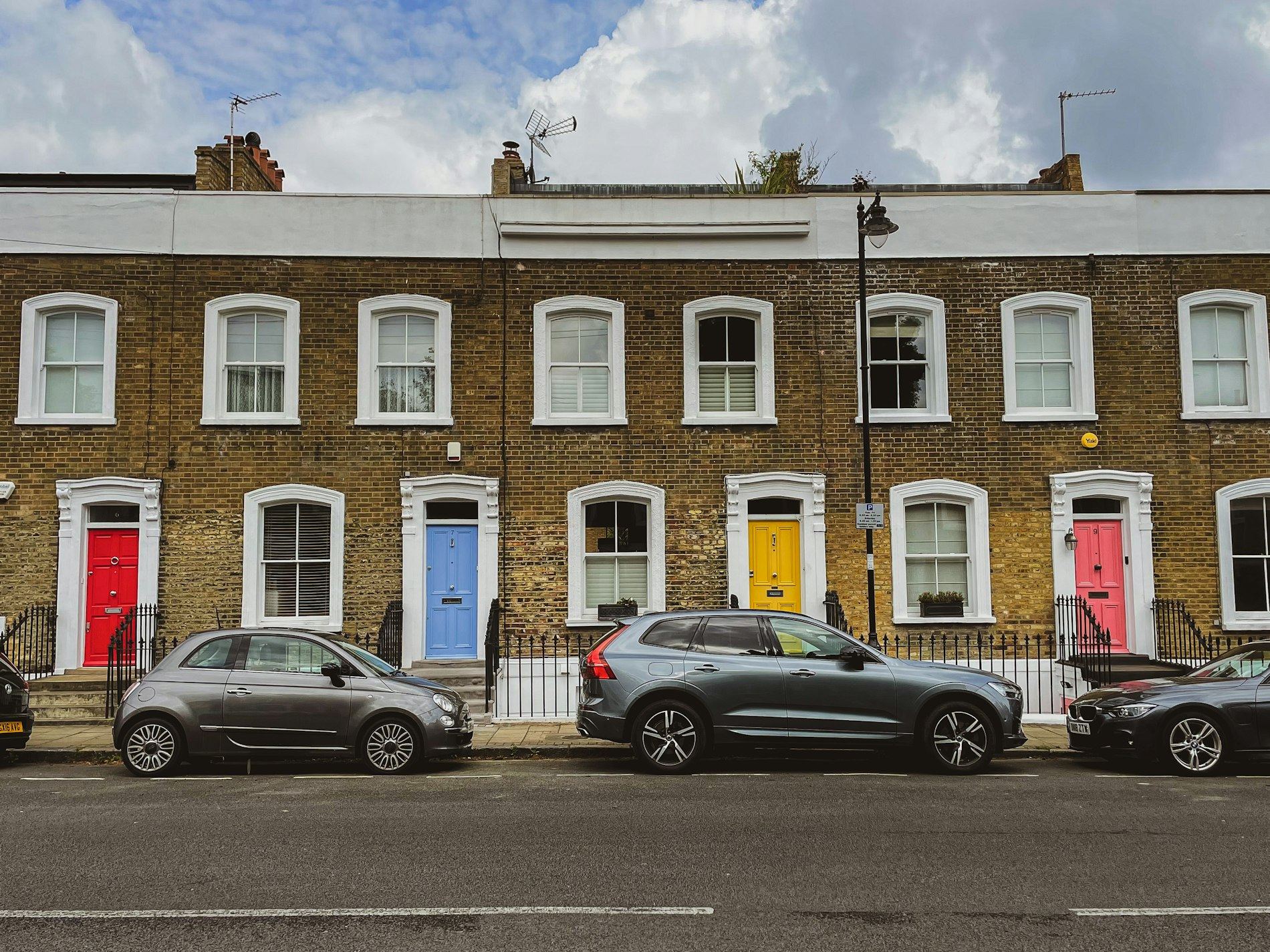
Cracks and movement in older New Southgate houses
Homes built close together on shallow foundations react when the clay beneath them dries out or softens. The first sign is usually something small that appears near a window frame or where two walls meet.
- 1
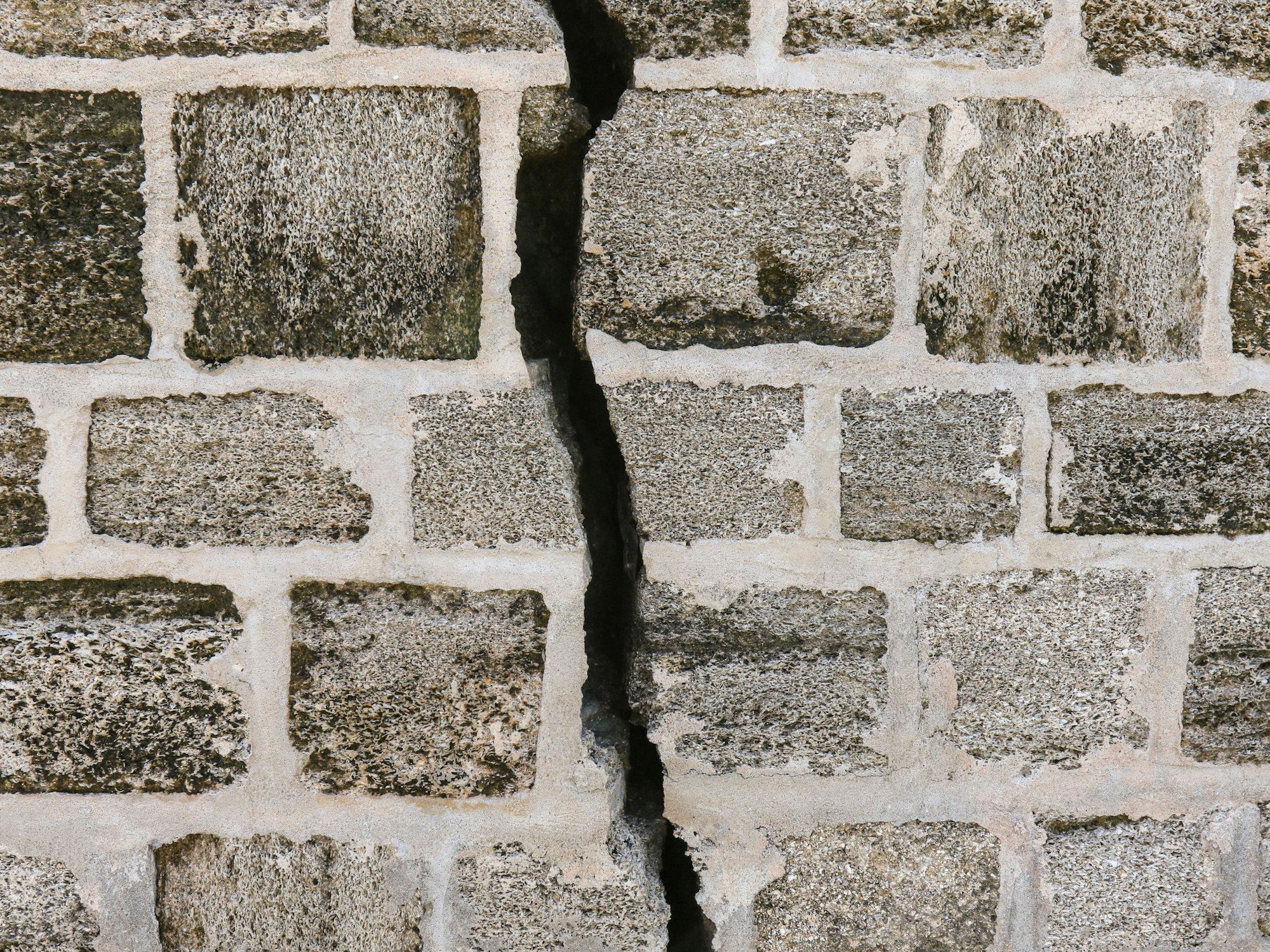
Diagonal cracks by windows
A line running from a window corner toward the ceiling often points to uneven movement in the wall below it.
- 2
Doors that stick or drag
Frames twist slightly as walls shift, so a door that closed easily last month now catches on the paint.
- 3
Gaps around skirting boards
When a floor drops away from the wall, a visible space opens up along the bottom edge of the timber.

- 4
Cracks in hallway plaster
Long lines following the mortar joints inside a narrow hallway suggest the whole run of brickwork has moved.
Local ground conditions
Why New Southgate terraces and semis move
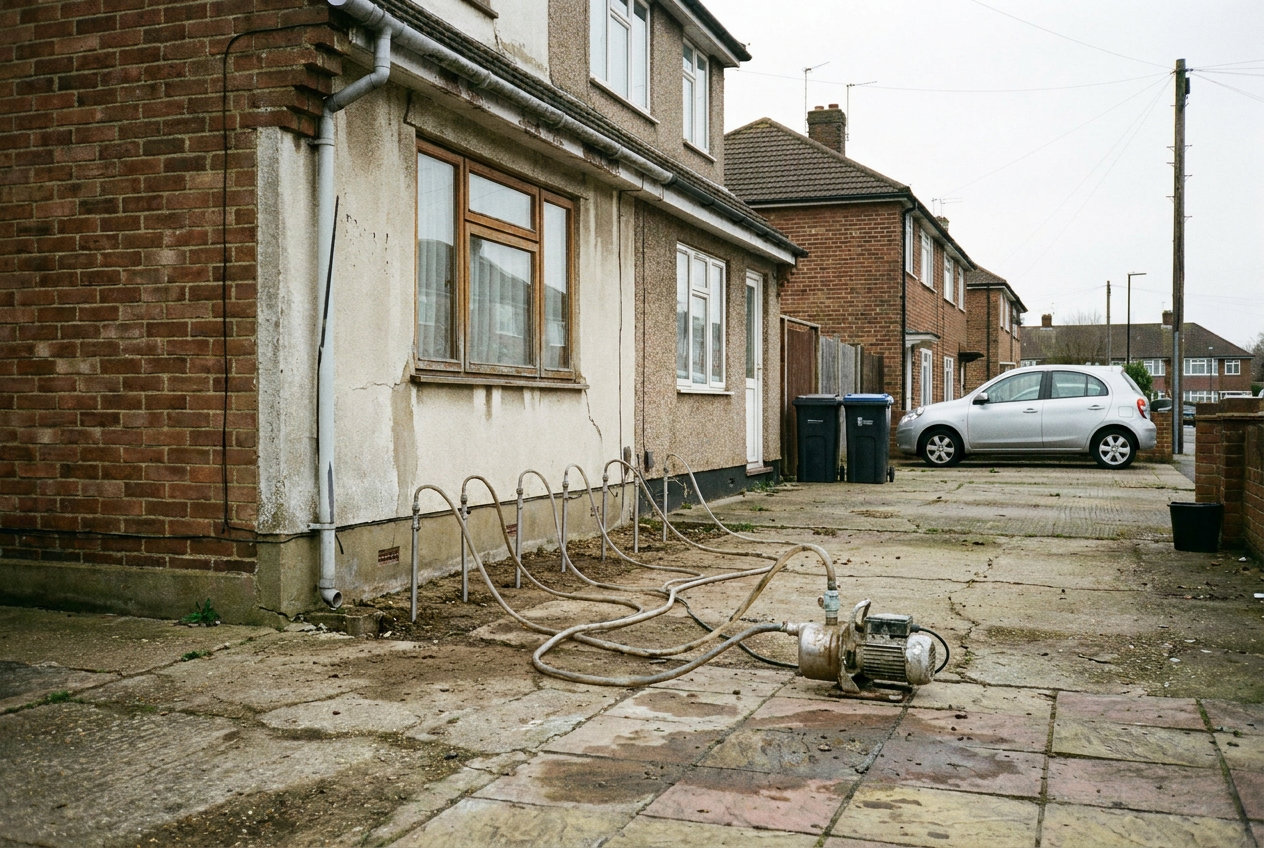
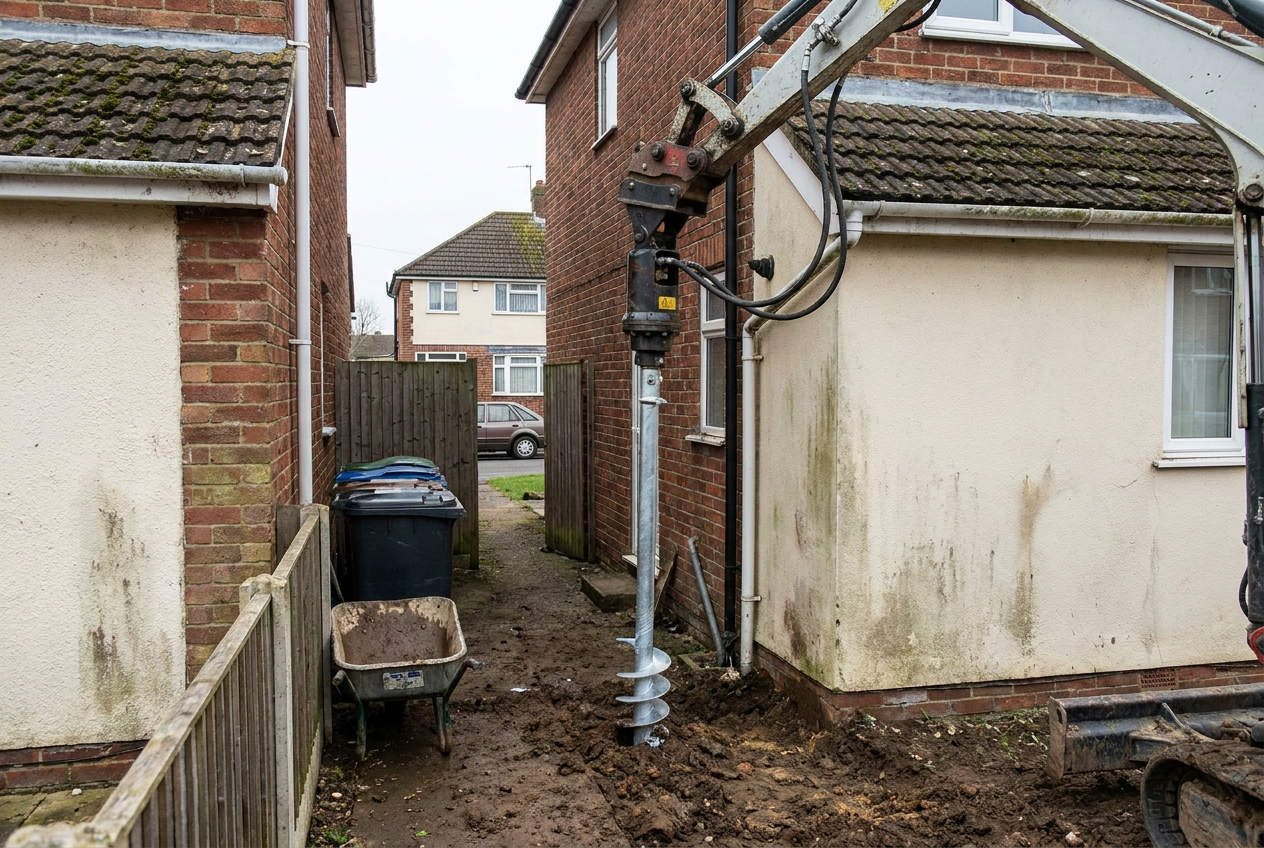
Victorian builders dug trenches only a few bricks deep. That shallow base sits directly on London Clay, which shrinks in dry summers and swells when wet winters return, moving the walls above it season after season.
Mature street trees draw moisture from the soil through their roots. In a row of terraces, one large tree can dry the clay under several houses, causing more movement near the trunk than further down the street.
Older drains run beneath or alongside these houses. A cracked clay pipe leaks water into the ground, washing fine particles away or softening the clay until the foundation above loses its support.
Converted flats share walls and floors that were designed for a single household. Extra bathrooms and kitchens add weight and pipework, increasing the chance of a leak or load the original footings never expected.
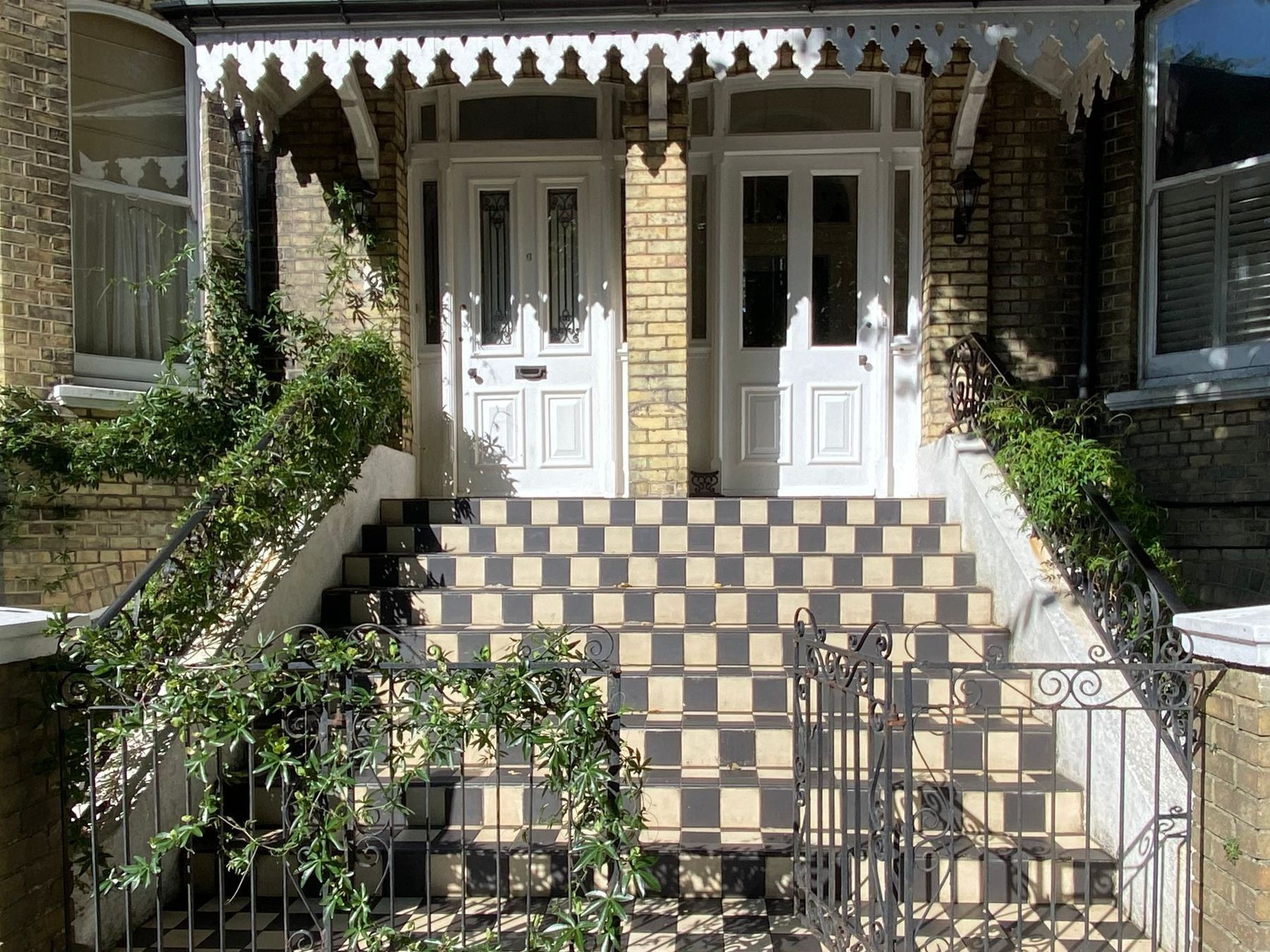
Areas covered around New Southgate
Enquiries from New Southgate go to a specialist who works across this part of Barnet. They understand the housing stock, the clay and the drainage patterns found on these streets.
If your street falls just outside the area, send an enquiry anyway and see if coverage reaches you.