Subsidence help
Who to call about subsidence when you spot movement
A crack in a wall or a door that sticks can mean very little, or it can point to movement beneath your home. Find out what a specialist looks for during a site visit, how they trace the cause, and what the written report gives you.
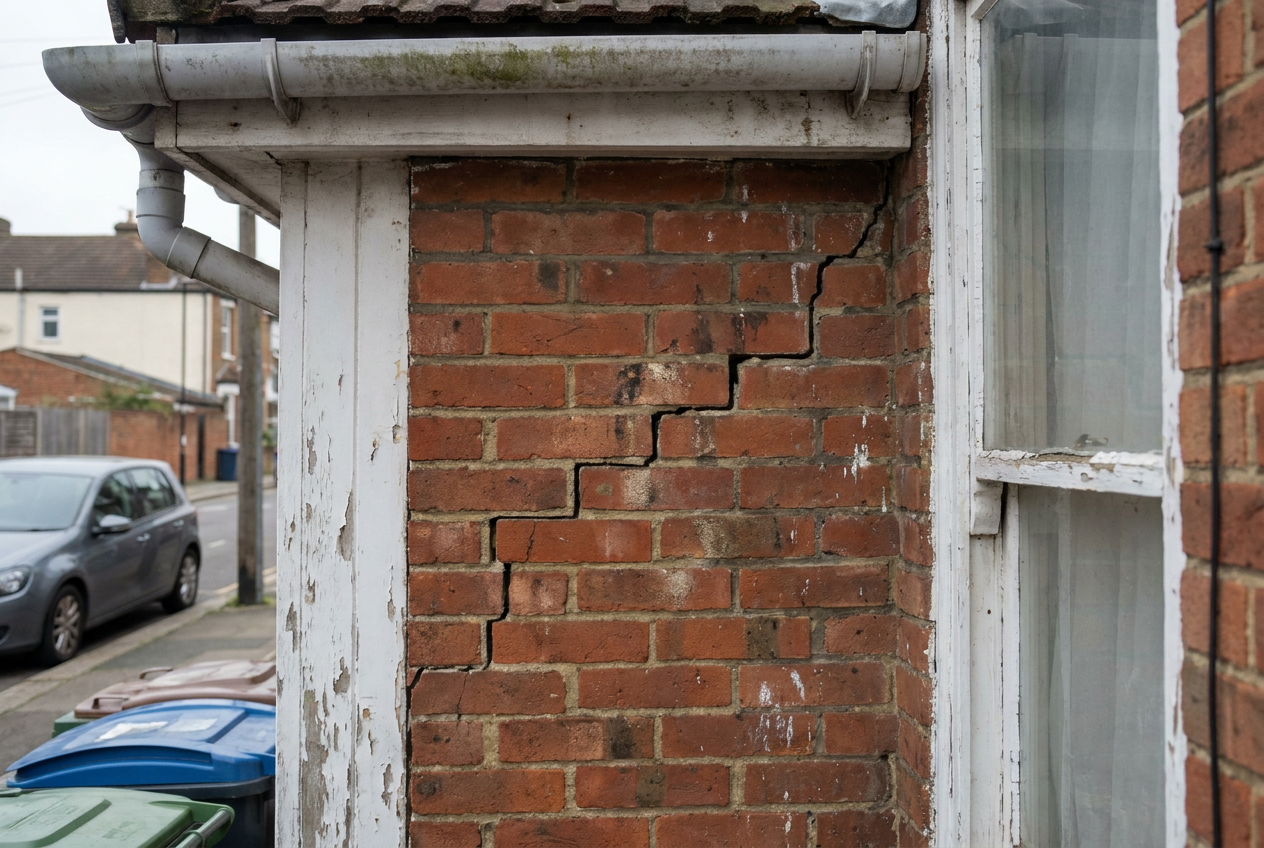
Ways a specialist stabilises a home
Movement under a house has different causes, so the repair method depends on what the ground is doing. A structural engineer picks the approach after reading the evidence.
-
Underpinning
The specialist excavates below the existing footing and pours new concrete in stages to transfer the load of the wall to stable ground.
-
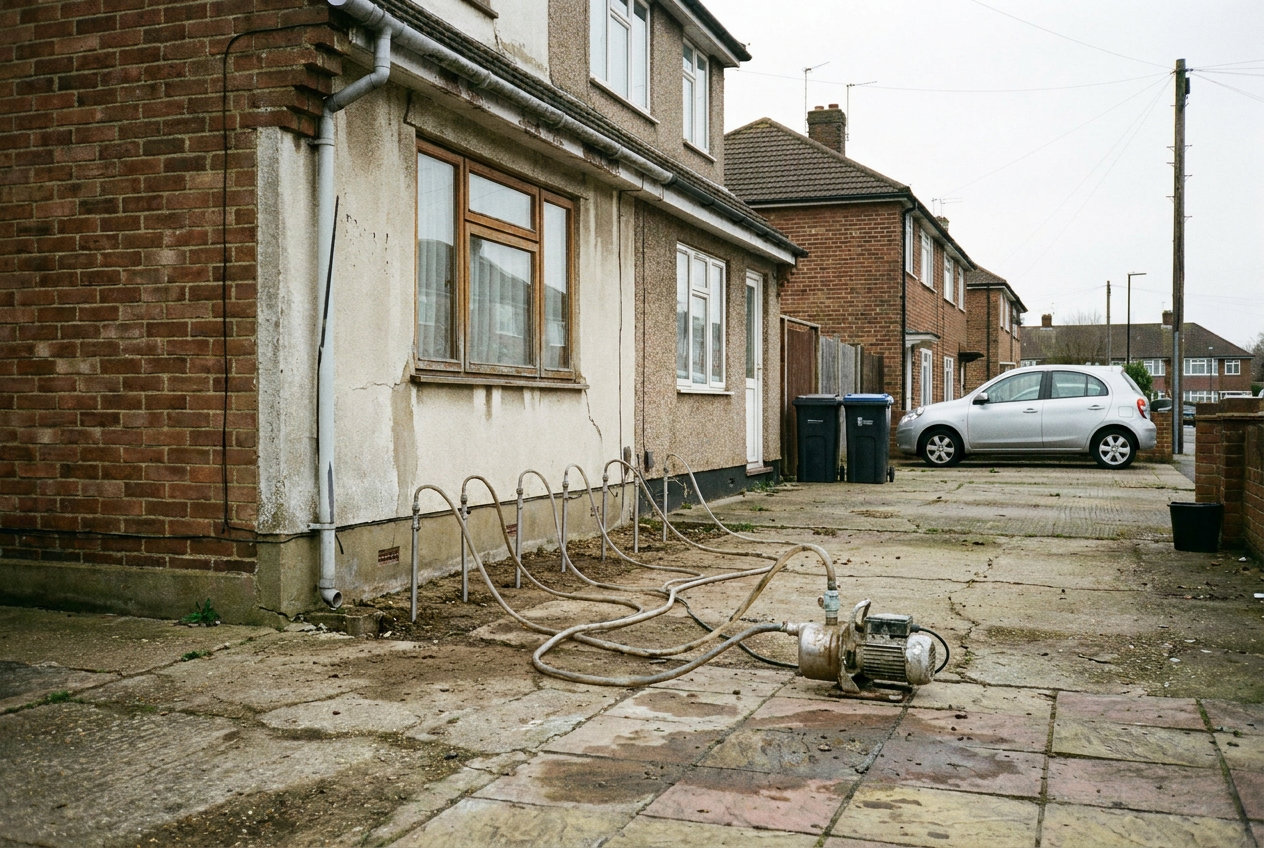
Resin injection
The contractor pumps expanding resin into the soil through small drilled holes, compacting loose material and lifting settled sections back towards level.
-

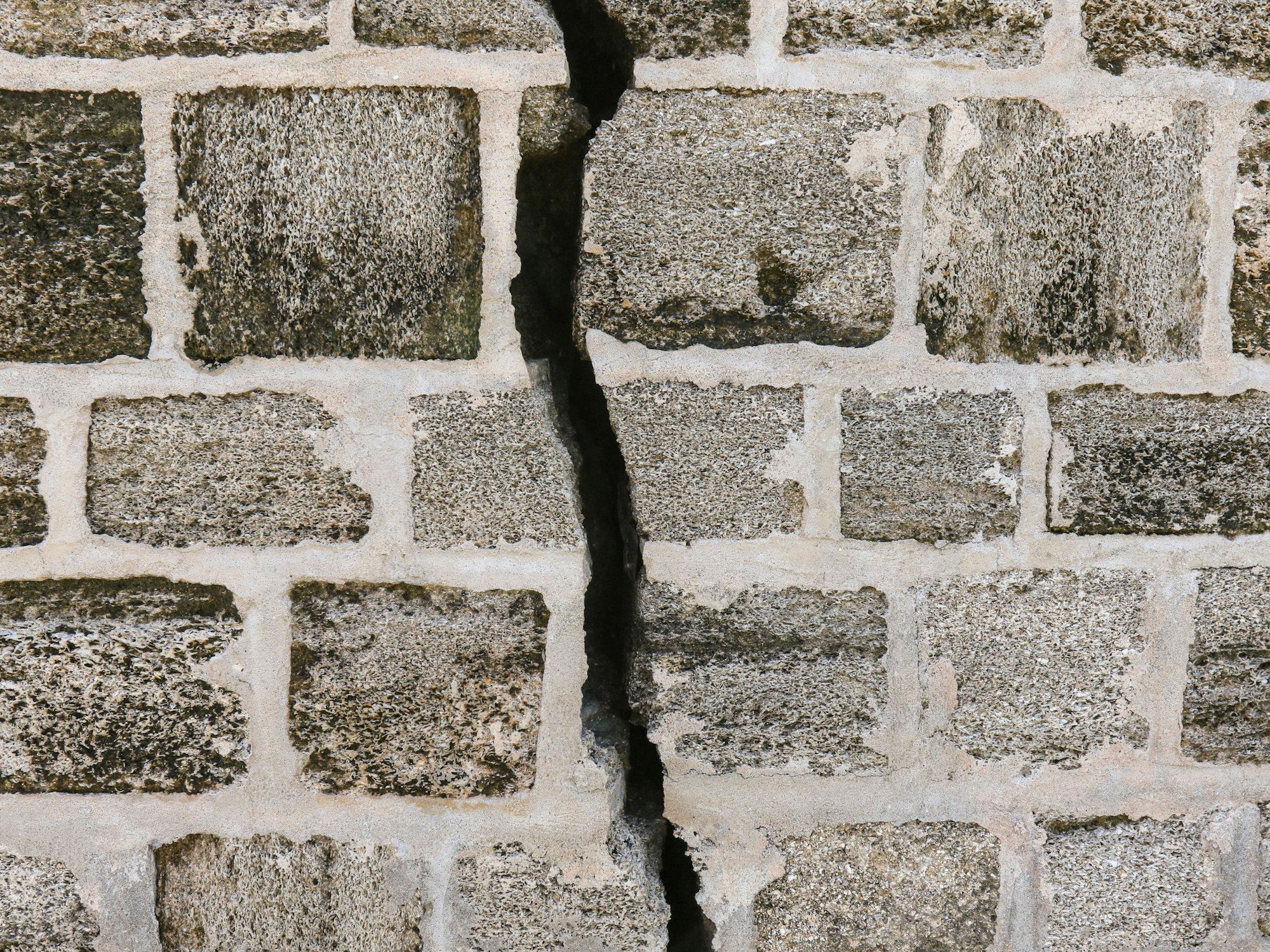
Concrete cracking
The engineer examines cracked floor slabs to determine whether the damage stems from subsidence, thermal expansion or poor original construction.
-
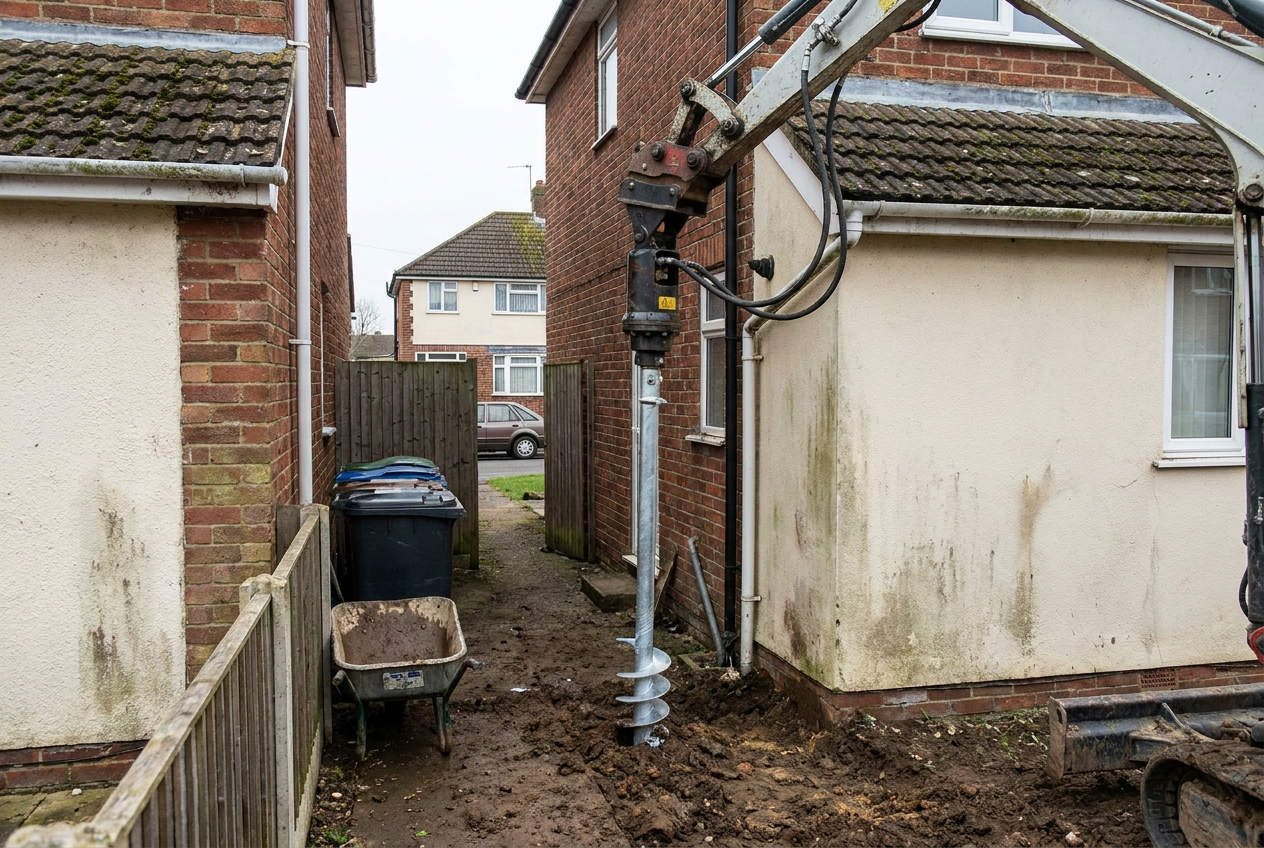
Screw piling
The piling firm drives steel helical piles deep into load-bearing strata, creating a new foundation where traditional excavation would be too disruptive.
On site
What a structural survey covers at your home
A specialist arrives with a plan for the visit. They look at the building, the ground around it and anything buried beneath the surface.
- Crack mapping The engineer measures every visible crack, records its width and direction, and plots them on a diagram of the walls to see if a pattern of movement emerges.
- Drainage inspection Leaking pipes wash soil away from foundations. The specialist may run a camera test or ask a drainage contractor to check for fractures in underground runs.
- Tree root assessment Roots from nearby trees extract moisture from clay soils, causing shrinkage. The surveyor identifies species, estimates root spread and checks proximity to the footings.
- Soil identification London clay shrinks when dry and swells when wet. Boreholes or trial pits reveal what lies beneath the surface and how deep stable ground sits.

Your part and the specialist's part
You describe what you have noticed and let the engineer into the rooms and garden. Everything else, from diagnosis to paperwork, belongs to the visiting specialist.
What a specialist does
- Inspect the interior and exterior walls for signs of distortion
- Examine the ground, drains and nearby vegetation for triggers
- Determine the cause of movement and recommend a repair method
- Produce a written report detailing findings and next steps
- Quote for the necessary stabilisation work if instructed
What you do
- Describe where cracks appeared and when you first saw them
- Allow access inside the house and around the outside walls
- Share any old reports or insurance letters if you have them
Documents you receive after the visit
The specialist writes up what they found, supported by measurements taken on site. You keep these documents to inform builders, insurers or future buyers.
Structural report
A written record of the cause of movement, the condition of the foundations and the recommended repair strategy for your home.
Crack schedule
Measured widths and locations of every fracture, plotted against a floor plan so changes can be tracked over time.
Scope of works
A specification detailing exactly what the contractor must do, which materials to use and how the ground will be treated.
Questions homeowners in Barnet often ask
Uncertainty is normal when you spot something wrong with your walls. These points cover the things people most want to know before arranging a visit.
- Does every crack mean subsidence?
- No. Plaster shrinks as it dries, and lintels deflect over time. A specialist distinguishes cosmetic hairline fractures from structural movement caused by failing ground conditions.
- Will my insurer pay for the survey?
- Some policies cover investigation costs once a claim is accepted. The structural report provides the evidence insurers require before authorising repair expenditure.
- How long does monitoring take?
- If movement is seasonal, the engineer installs tell-tales across cracks and returns over several months to read them before recommending permanent repair work.
- Can I sell the house while it moves?
- Yes, but buyers and their lenders will want to see the structural report and understand what remedial work is planned or already completed.
Tell us what you have noticed
Send a description of the problem at your home. An engineer reviews the details and replies with advice on whether a site visit is warranted. There is no charge for this initial enquiry and no obligation to proceed.
- No fee to enquire
- No obligation to proceed
- Response from an engineer