Trees and clay
Tree roots causing subsidence near your walls
Find out how plane, lime, willow and poplar roots draw moisture from the ground beneath shallow footings. Learn what a specialist records about species and distance, and why removing a tree is never a decision you take alone.
How tree roots dry out London clay
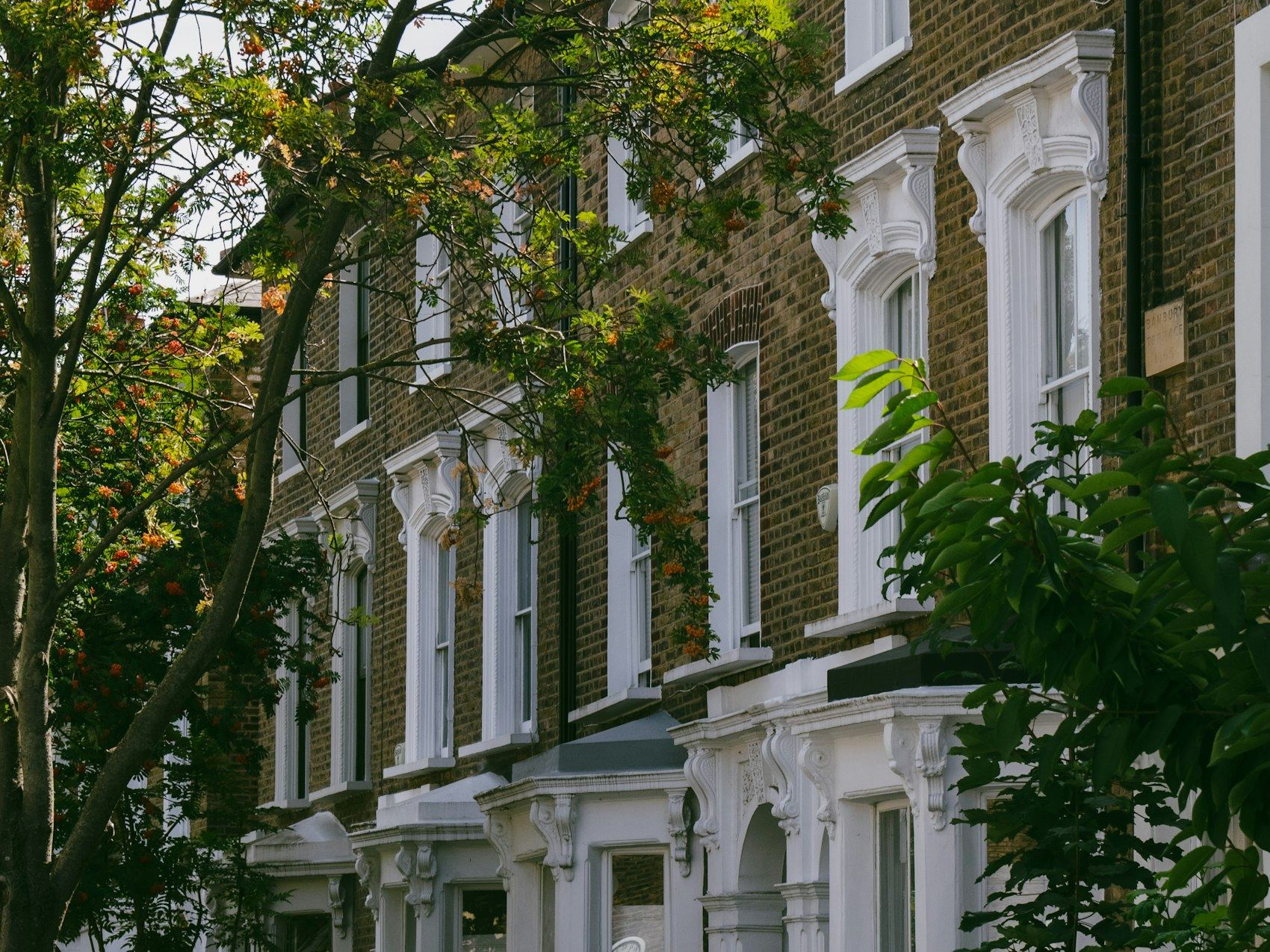
London clay shrinks when it loses water and swells when it absorbs it. A large tree standing close to a house can pull thousands of litres of moisture from the soil each summer through its root network. Plane trees, limes, willows and poplars are particularly thirsty species with roots that spread well beyond the canopy.
If your home sits on shallow footings, as many houses in Barnet do, the clay directly beneath those footings is vulnerable to this drying effect. As the soil contracts, the foundation settles unevenly. The movement tends to be seasonal, worsening through late summer and easing after winter rain returns moisture to the ground.
The depth of the footings matters as much as the size of the tree. Shallow foundations built before modern regulations have less clay between them and the zone where roots extract water. So a mature poplar fifteen metres away can affect a Victorian terrace more than a newer build five metres closer. Understanding this relationship between root reach, soil type and footing depth is the first step a specialist takes when investigating cracks near a large tree.
What a subsidence specialist records about trees
When a structural engineer or arboricultural consultant visits a home with suspected tree-related movement, they start by identifying every significant tree within a radius that could influence the foundations. Species matters because different trees demand different volumes of water and send roots to different depths. A specialist will record whether the tree is a plane, a lime, a willow, a poplar or another species entirely.
Distance from the wall is measured precisely. The height and spread of the canopy give an indication of root extent, since roots typically mirror the crown above ground. Soil conditions around the property also shape how far moisture extraction reaches.
Root identification often follows. A specialist may dig small trial holes near the footing to retrieve root samples. These are examined to confirm which tree they belong to, rather than assuming the nearest trunk is responsible. Sometimes roots from a neighbour's garden or a street tree on the verge are the ones reaching the clay under your home. This evidence forms part of a report that insurers and local authorities rely on before approving any remedial action.
Why you cannot simply fell the tree yourself
Removing a tree that appears to be causing subsidence might seem like the obvious fix, but it is rarely a decision a homeowner can act on alone. Many streets in Barnet fall within conservation areas where any tree above a certain trunk diameter is protected. Felling or pruning one without written consent from the council is an offence.
Trees on the public verge belong to the local authority. Even if the roots are reaching your footings, you need permission before any work takes place. A specialist will usually handle this correspondence, submitting the root evidence and structural reports to support the application.
There is also a physical risk in cutting down a large tree too quickly. If the roots stop extracting water suddenly, the clay beneath the house can swell rapidly. This heave pushes foundations upward and causes a different kind of damage. Specialists sometimes recommend phased crown reduction instead of complete removal, lowering the tree's water demand gradually so the soil adjusts without violent movement. An arboriculturalist working alongside the structural engineer decides the safest approach for your specific ground conditions.
When underpinning or resin injection is needed anyway
Even after a tree is managed or removed, the damage already done to the foundations may require repair. Clay that has dried and cracked does not always return to its original state once moisture levels normalise. Gaps left by shrinkage can persist, leaving the footing unsupported.
A specialist assesses whether the movement has stabilised before recommending a repair method. Crack monitoring over several months shows whether the walls are still shifting. If the movement has stopped, cosmetic repairs might be enough. If it continues, structural intervention becomes necessary.
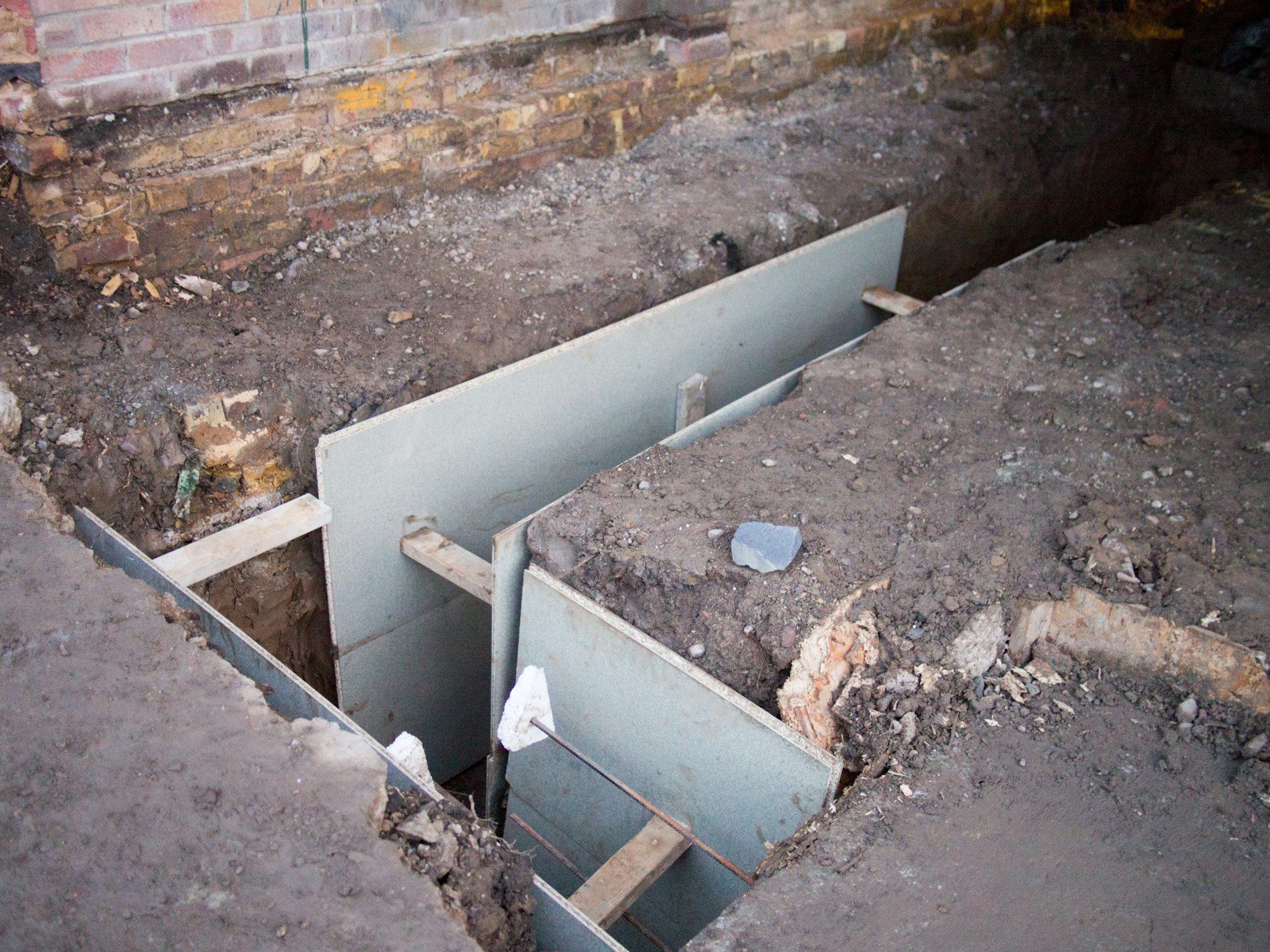
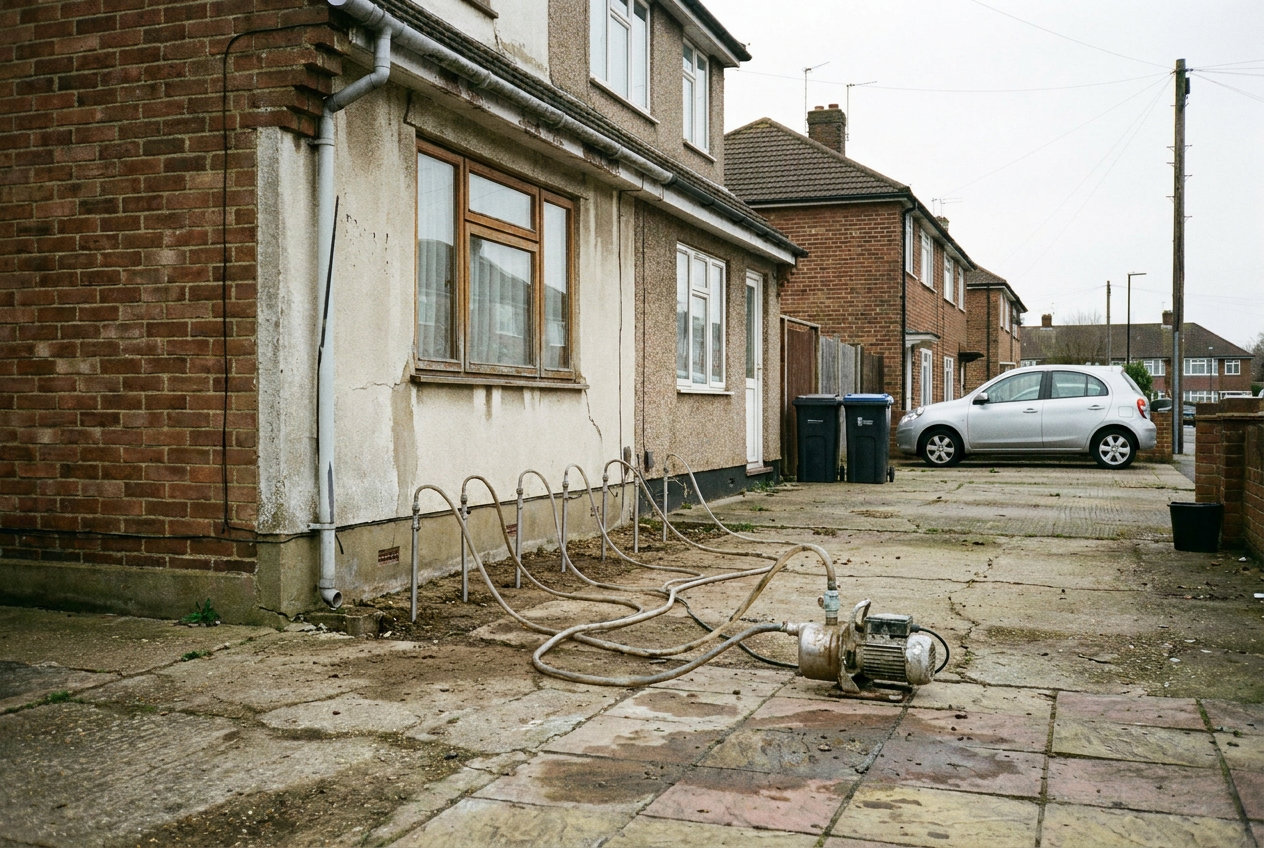
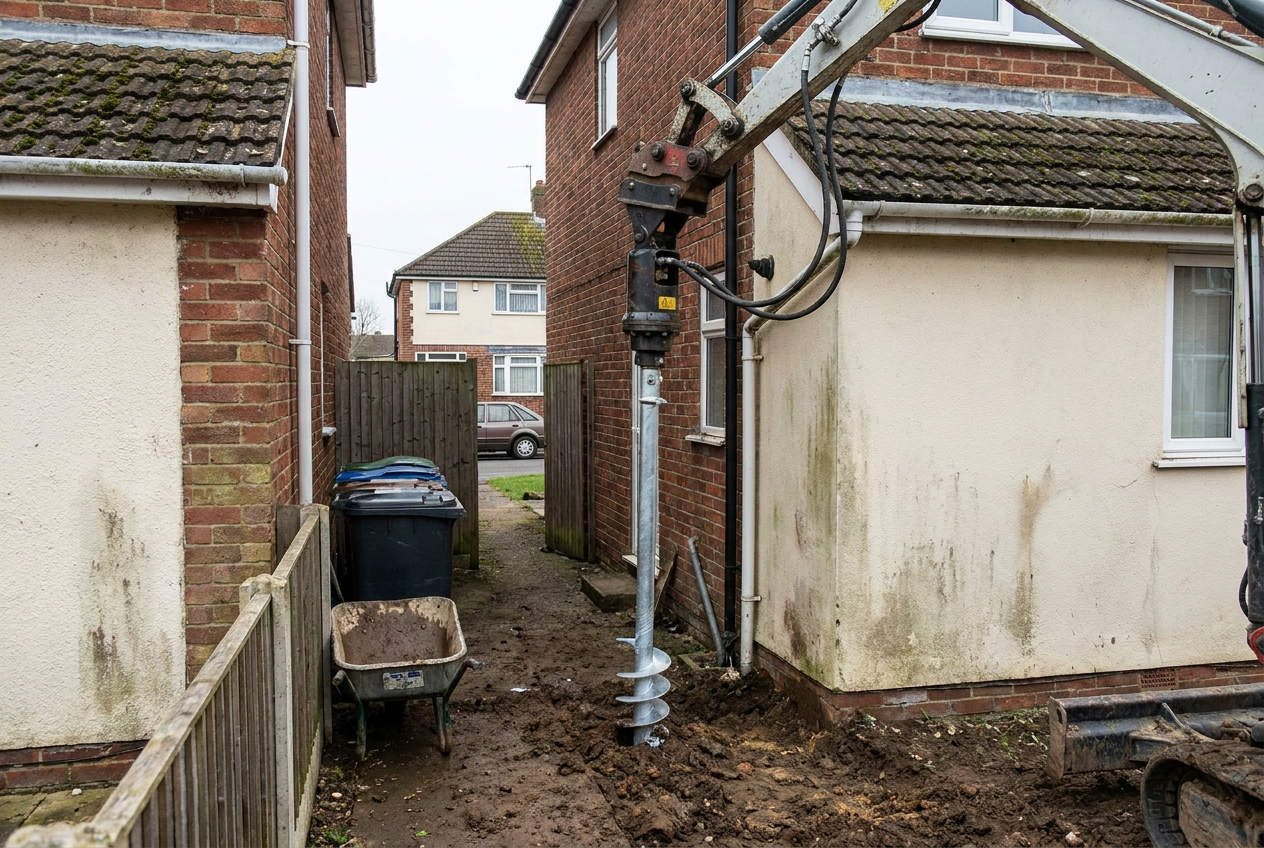
Underpinning extends the foundation depth below the zone affected by seasonal drying. Resin injection fills voids in the soil and compacts loose ground without excavation. Screw piling drives steel piles past the reactive clay into stable strata deeper down. The choice depends on the severity of the damage, the type of construction and the soil profile beneath your home. Each method addresses a different aspect of the problem, so the specialist selects the one suited to what the investigation reveals.
Is that large tree drying out the ground under my home?
Thirsty species like plane, lime, willow and poplar draw moisture from clay soil through their roots. If your home has shallow footings, this seasonal drying can cause the ground to shrink and the walls to move.
- 1
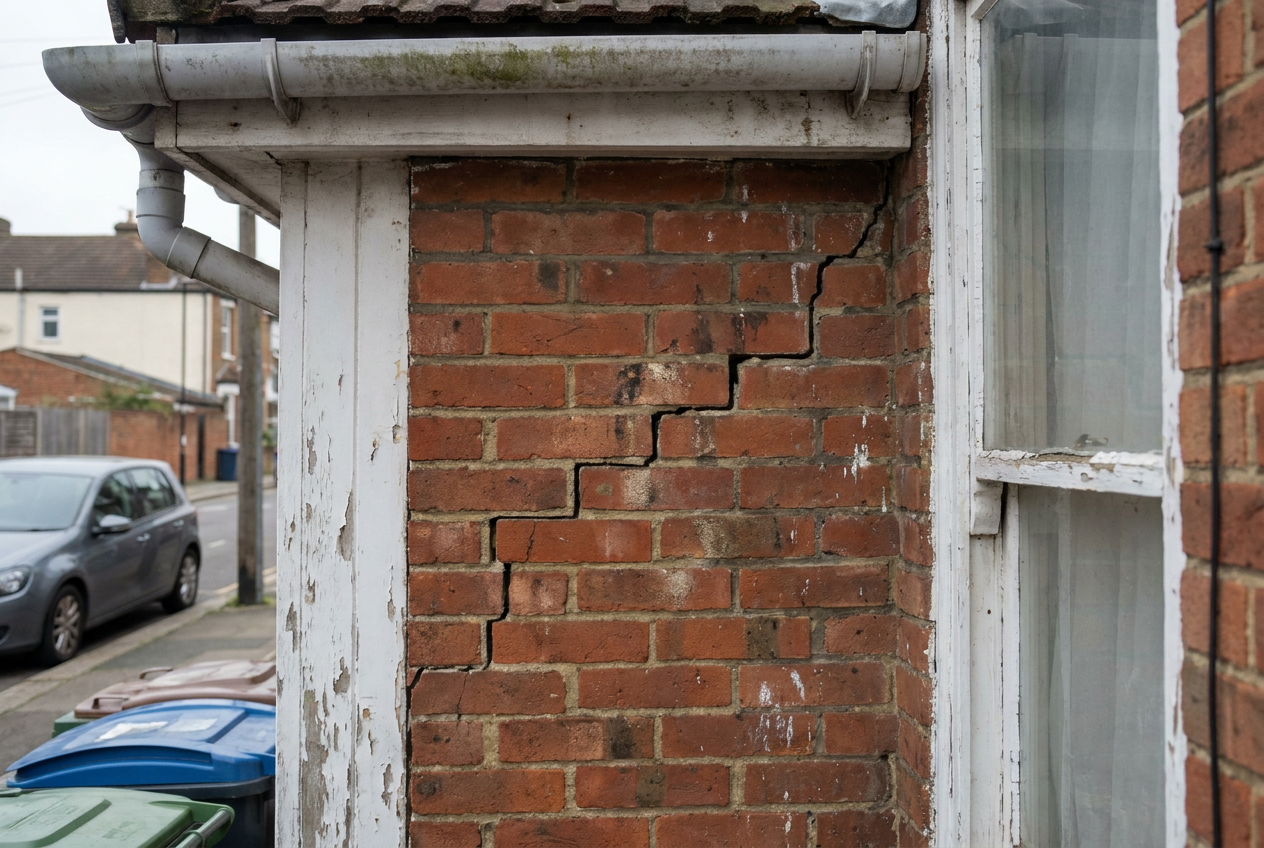
Cracks wider at the top
Tapering cracks in brickwork near a large tree often point to clay shrinkage pulling the footing down unevenly.
- 2
Doors catching on frames
Seasonal sticking that worsens in late summer suggests the ground beneath the threshold is contracting.
- 3
Gaps opening at skirting boards
A visible space between the floor and the skirting can mean the floor slab has dropped slightly.
- 4
Diagonal cracks near windows
Cracks running from window corners toward the roofline indicate differential settlement in the wall below.
Typical costs for tree-related subsidence work
Prices vary because every site has different soil conditions, access constraints and degrees of damage. The species and proximity of the tree, along with the repair method chosen, shift a job within these ranges.
-
Root investigation and trial holes
£1,200 to £3,000
Number of holes dug and soil testing required by the engineer.
-
Arboricultural report for insurer
£800 to £2,500
Complexity of the tree survey and council consent applications.
-
Resin injection beneath footings
£4,000 to £15,000
Length of wall treated and depth of voids found in the clay.
-
Traditional underpinning section
£12,000 to £40,000
Depth required to reach stable clay and access for excavation plant.
-
Screw piling for deep support
£15,000 to £50,000
Number of piles driven and load-bearing capacity needed for the wall.
These figures indicate typical costs for this type of work. Nothing here is a quotation. Only a site inspection can settle a figure for your home.
Ask for help with a tree near your home
Send details about the tree and the cracks you have noticed. A specialist will review the information and arrange a visit if the signs warrant one. There is no obligation to proceed.
- No obligation to proceed
- Specialist reviews your details
- Local knowledge of Barnet clay