Describe what you have noticed
Cockfosters
Subsidence in Cockfosters: trees and cracking
Large gardens and mature trees define Cockfosters, but they also sit close to the shallow footings of interwar and post-war houses. A specialist firm can examine what is happening below ground and advise on next steps.
- Specialists familiar with local clay
- Advice based on your home's age
- No obligation to proceed

Cracks appearing around your home in Cockfosters
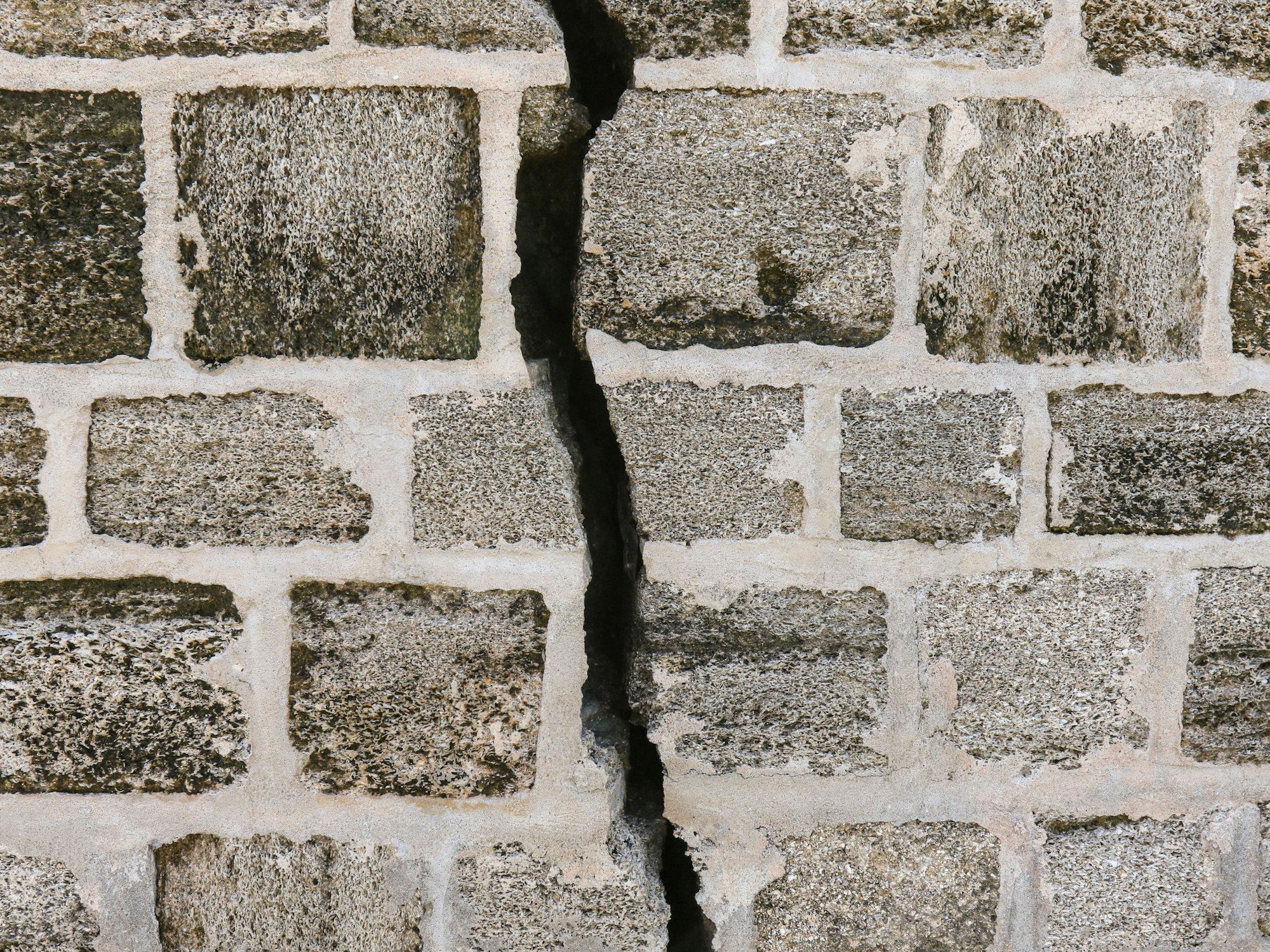
Houses built between the wars and after them often rest on shallow concrete strips. When large garden trees draw moisture from the London Clay beneath those strips, the soil shrinks and the walls above begin to move.
- 1
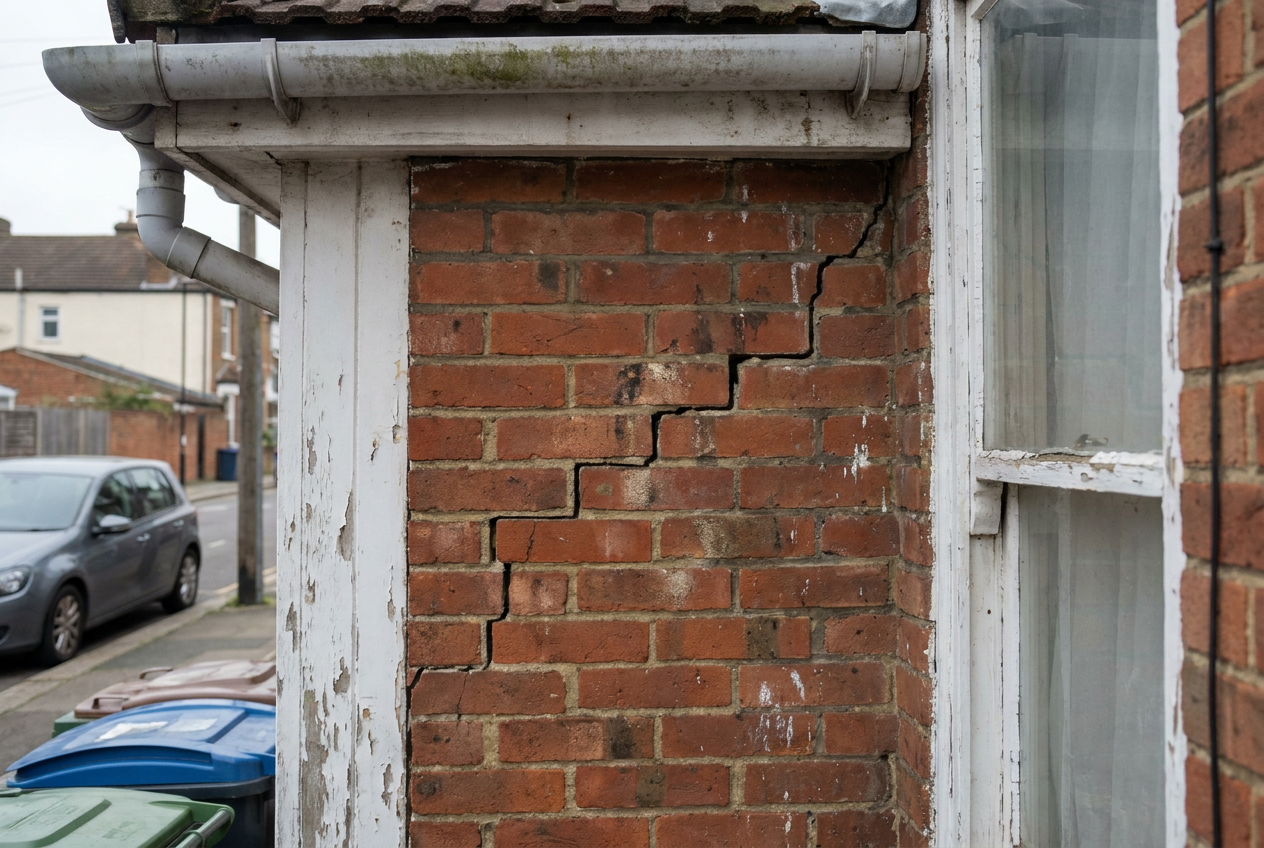
Diagonal cracks near windows
A crack wider at the top than the bottom, running through brickwork or plaster near a window frame. This often points to uneven movement in the wall.
- 2
Doors that stick or drag
A door that no longer closes cleanly against its frame, catching on the top or side. The frame may have shifted out of square.
- 3
Gaps around skirting boards
A visible space opening between the skirting board and the floor. The wall or the floor slab may be dropping away from it.
- 4
Bay window leaning outward
The front of a bay window tilting away from the main house wall. Older bays often have their own shallow footings that settle independently.
Local causes
Why Cockfosters houses move on London Clay
The geology and the planting habits of past decades combine to create specific problems for homes along the borough's north-eastern edge.
- Mature garden trees Oaks, willows and poplars planted decades ago now have root systems reaching far under nearby houses. They extract thousands of litres of water from the clay each summer, causing it to shrink.
- Shallow strip foundations Interwar and post-war builders typically laid concrete footings less than a metre deep. These sit within the zone where clay moisture changes most through the seasons.
- London Clay subsoil Most of Cockfosters sits on London Clay, a soil that swells when wet and shrinks when dry. This seasonal volume change is what moves shallow foundations.
- Aging drainage pipes Original clay or cast iron drains crack over time. Water escaping into the ground softens the soil below the footings, allowing them to sink.
What happens next
How a specialist addresses subsidence
- Site investigation
- A structural engineer examines the cracking pattern, measures wall positions and digs trial holes to check foundation depth and soil condition.
- Drain testing
- Specialists run water through the drainage system to find leaks that might be washing fine soil away from beneath the footings.
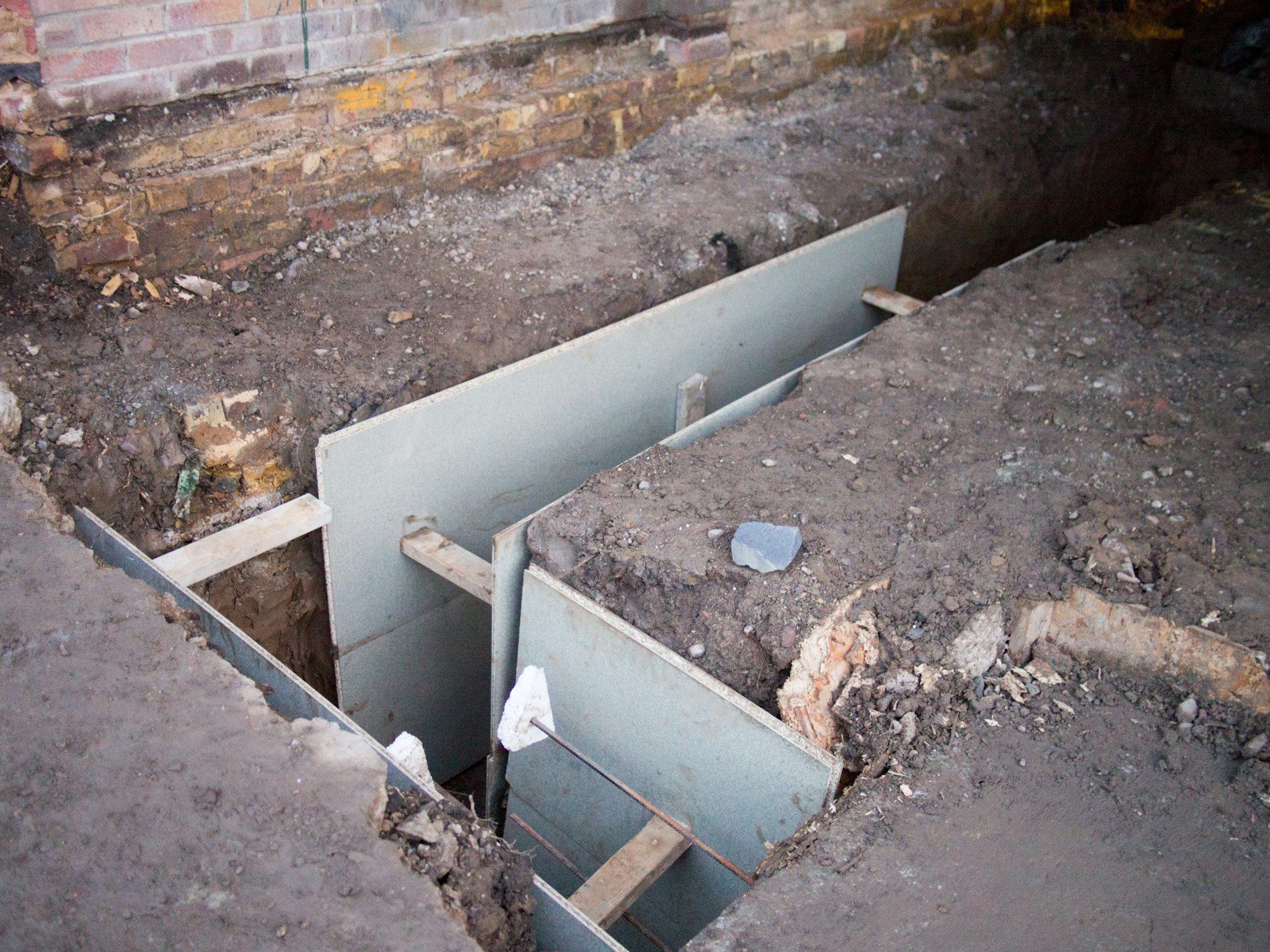
- Underpinning
- Where foundations are too shallow, contractors excavate sections below them and pour deeper concrete to reach stable ground.
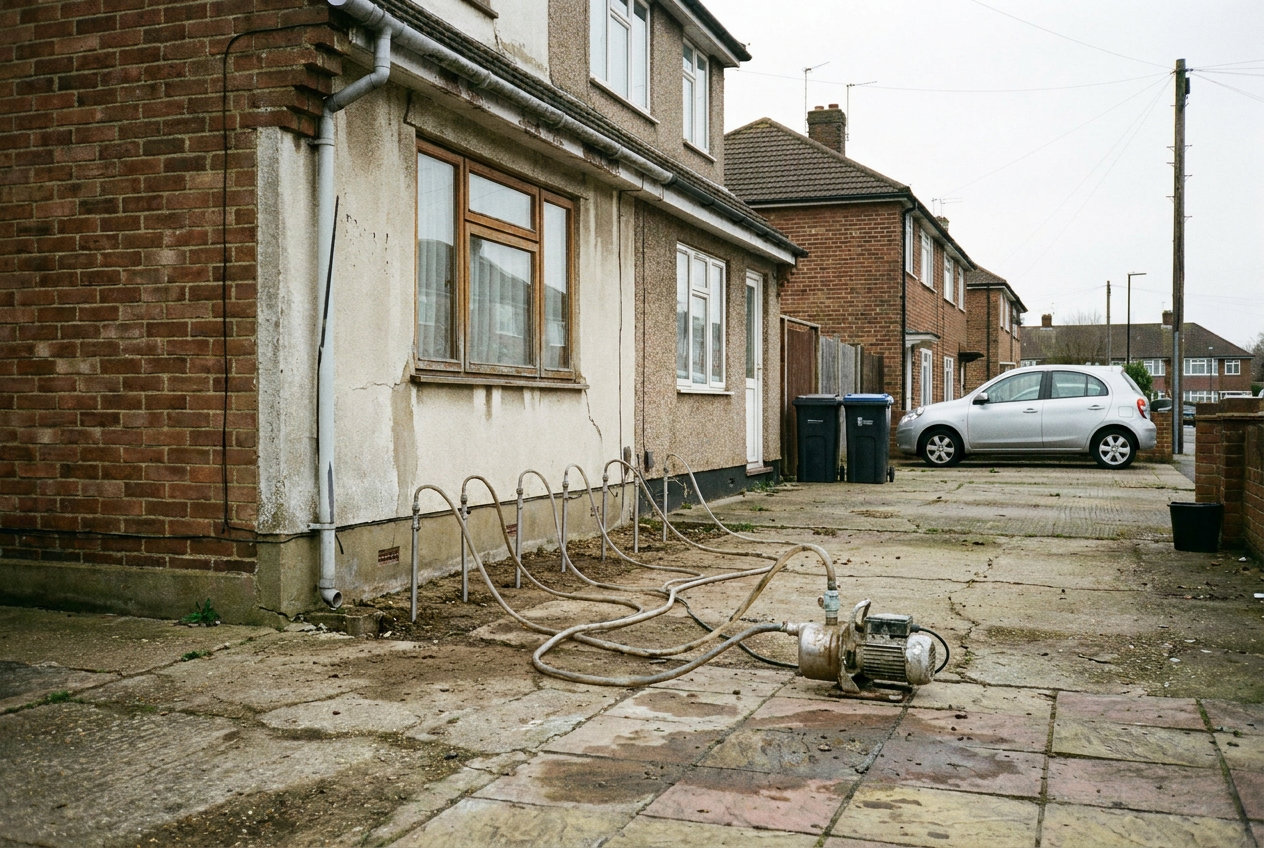
- Resin injection
- A specialist pumps expanding resin into the ground beneath a footing. It fills voids and compacts loose soil without major excavation.
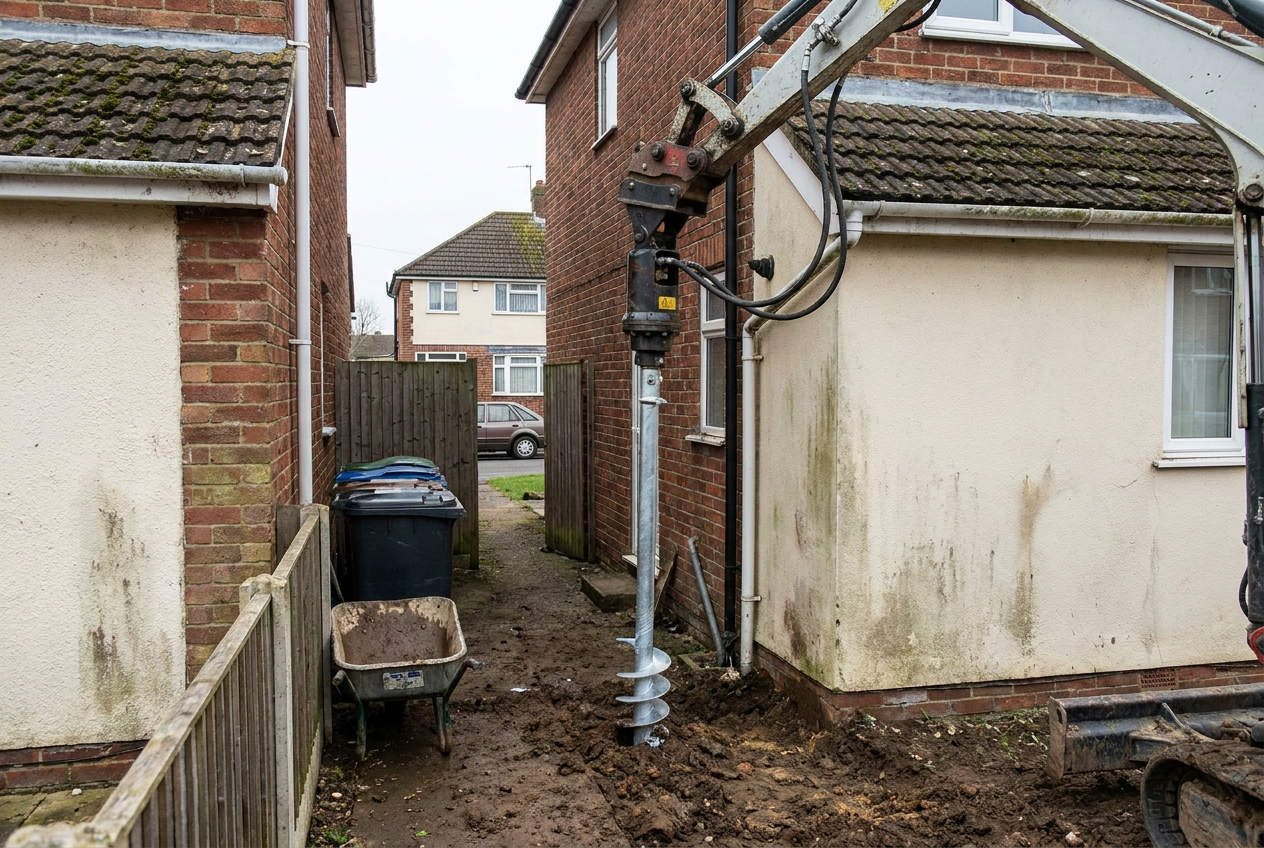
- Screw piling
- Steel piles are driven deep into the ground to bypass weak soil entirely, supporting the house on a firmer layer below.
Areas covered around Cockfosters and Barnet
Specialist firms take on subsidence enquiries across the entire London Borough of Barnet. Each area has its own mix of soil conditions, housing eras and tree cover that shapes how movement happens.
- Childs Hill
- Cockfosters
- Colindale
- Cricklewood
If your street is not listed, send an enquiry anyway. Firms cover all of Barnet.
Find out what the movement means for your home
Describe the cracks or sticking doors you have noticed. A specialist firm will review the details and arrange a visit to your home in Cockfosters.