Common questions
Subsidence questions answered
A crack in the wall raises immediate worries. These are the questions people in Barnet ask most often when they notice movement in their home, and what the answers usually depend on.
Does every crack mean my home is sinking?
Most cracks have nothing to do with subsidence. Plaster dries out, timber shrinks in winter and new paint pulls at old surfaces. A hairline crack above a door frame or along a ceiling joint is usually seasonal movement, not structural failure.
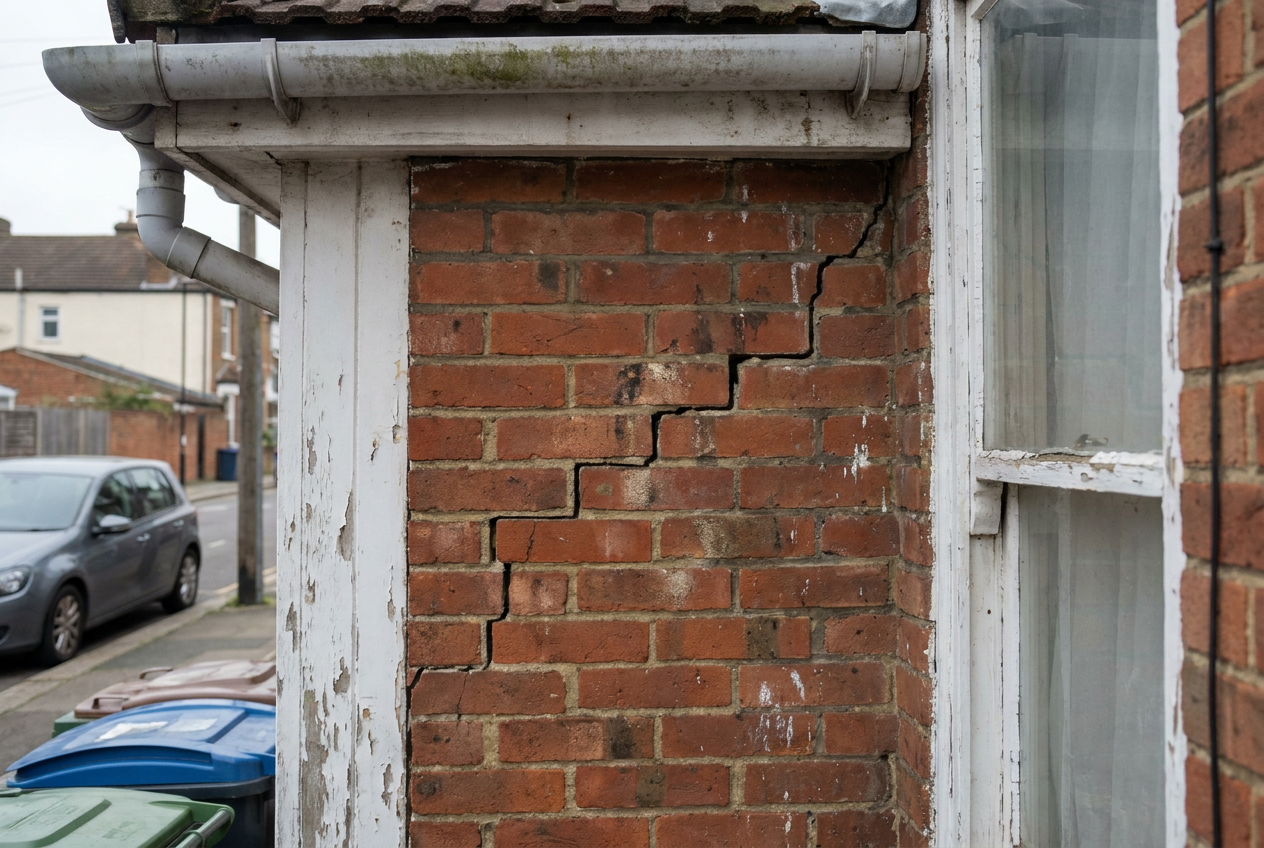
The cracks that matter tend to be wider than a few millimetres, run diagonally and appear suddenly or grow noticeably over weeks. They often follow mortar lines in brickwork or open up where a wall meets a window frame. Even then, a crack alone does not confirm subsidence. It tells you something has moved, but not why.
Specialist firms look at the pattern, the width and the direction of travel before drawing any conclusions. They also check the ground outside, the drains below and the trees nearby. Readings taken over months tell them whether the movement has stopped or is still happening. That history matters more than the crack itself.
How long does it take to find out what is wrong?
Finding the cause of movement takes longer than most people expect. A single visit might identify a leaking drain or a tree root near the foundations, but confirming it requires monitoring. Crack gauges or tell-tales are fixed across the damage and read at intervals, usually over six to twelve months.
This waiting period frustrates homeowners who want an immediate answer. But repairing a wall before the ground has settled risks doing the work twice. The readings show whether the movement is active, seasonal or historic. Each pattern points to a different cause and a different response.
During this time, the specialist firm records weather conditions, checks moisture levels in the soil and may run a drain survey. All of it builds a picture of what the ground beneath the home is doing. Only once that picture is clear can anyone say with confidence what needs to happen next.
Will I need underpinning?
Underpinning is less common than people fear. Many cases of subsidence in Barnet are resolved by managing the cause rather than rebuilding the foundation. If a tree is extracting moisture from clay soil, reducing or removing the tree can stop the movement. If a drain is leaking and washing soil away, repairing the pipe allows the ground to recover.
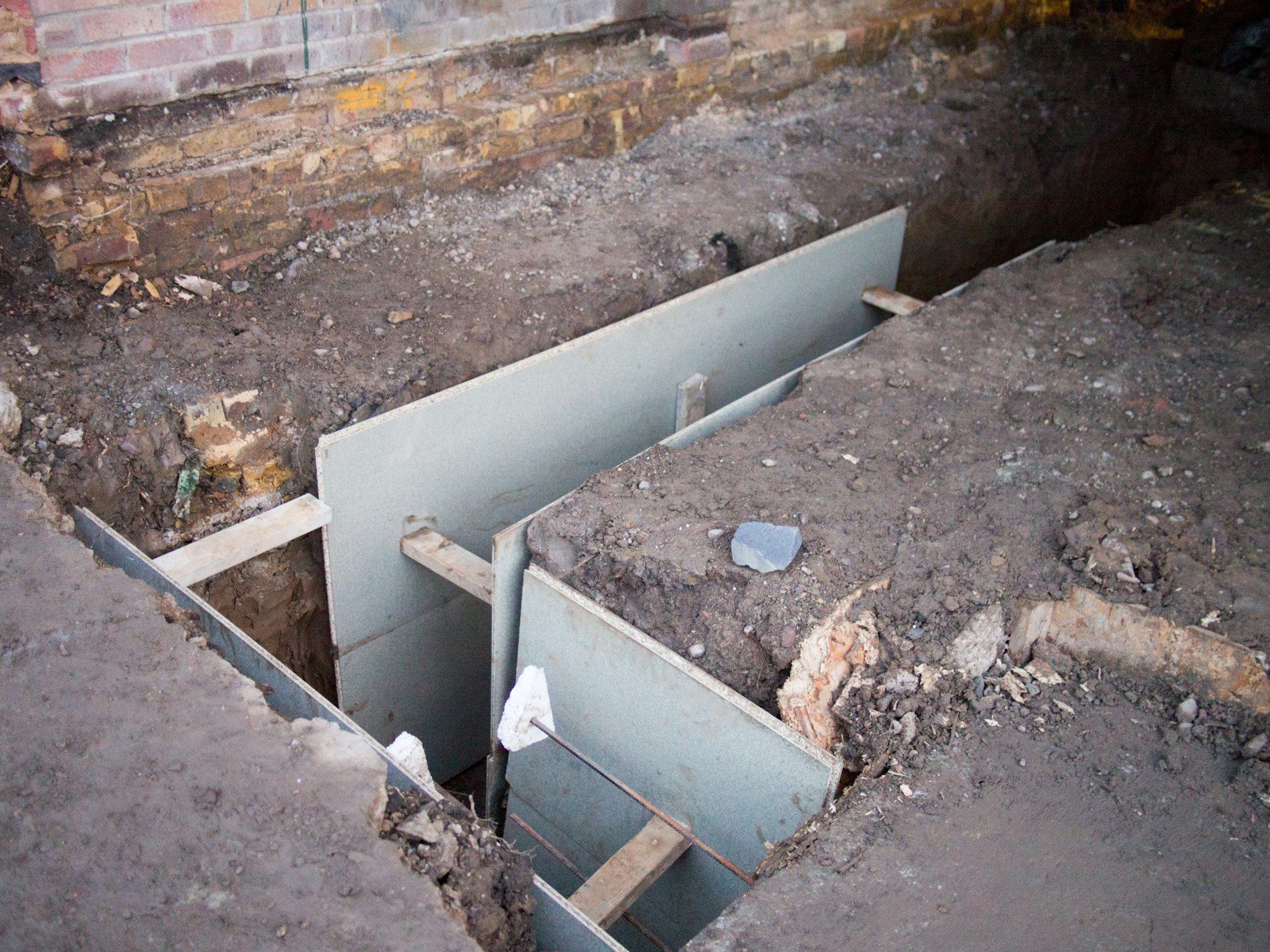
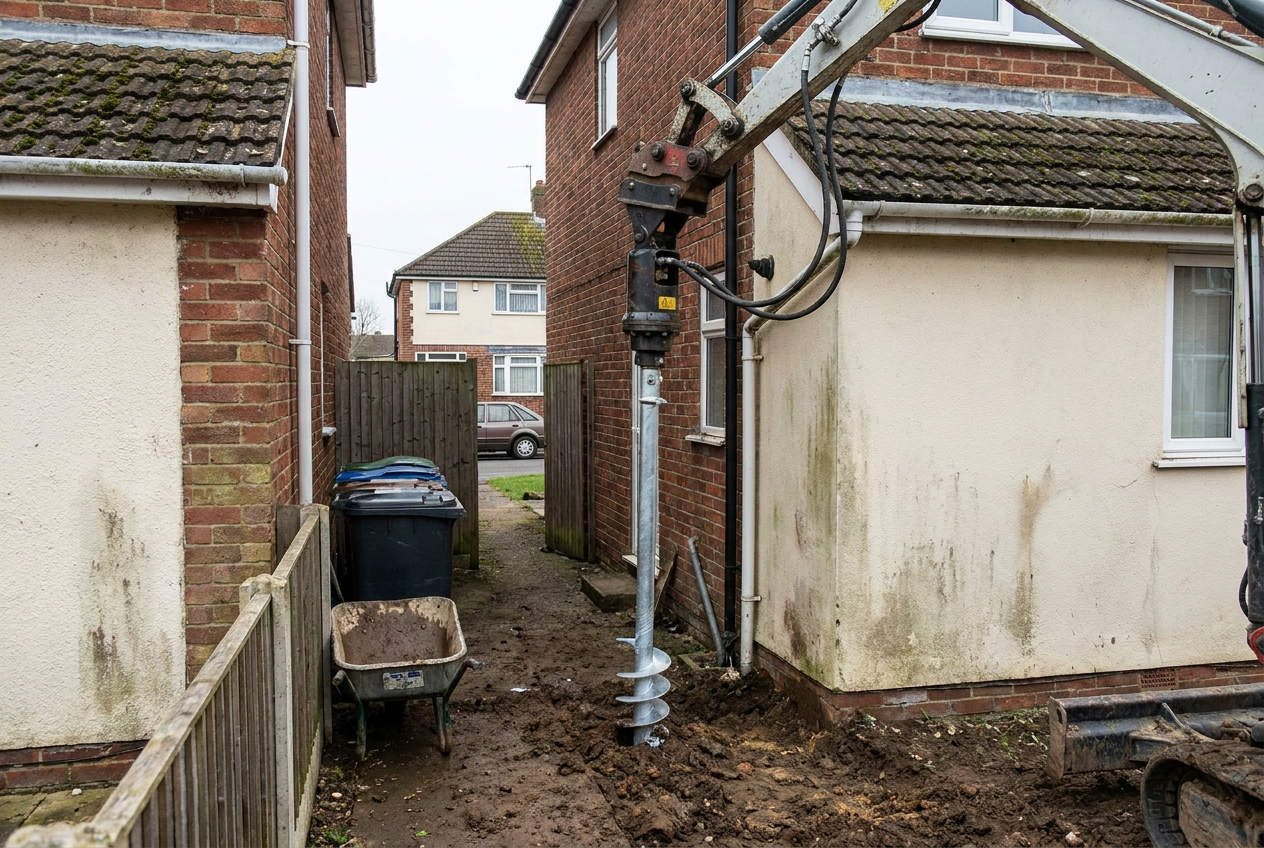
Underpinning becomes necessary when the existing foundations cannot support the building even after the cause is addressed. This happens more often in older homes with shallow footings, or where the ground itself is unstable because of past use. Methods vary: mass concrete, mini-piles or screw piles each suit different soil conditions and loads.
A specialist firm decides the method after reviewing the soil investigation, the building's construction and the monitoring data. The choice affects cost, disruption and how long the work takes. None of it is decided from looking at a crack alone.
What is resin injection and when is it used?
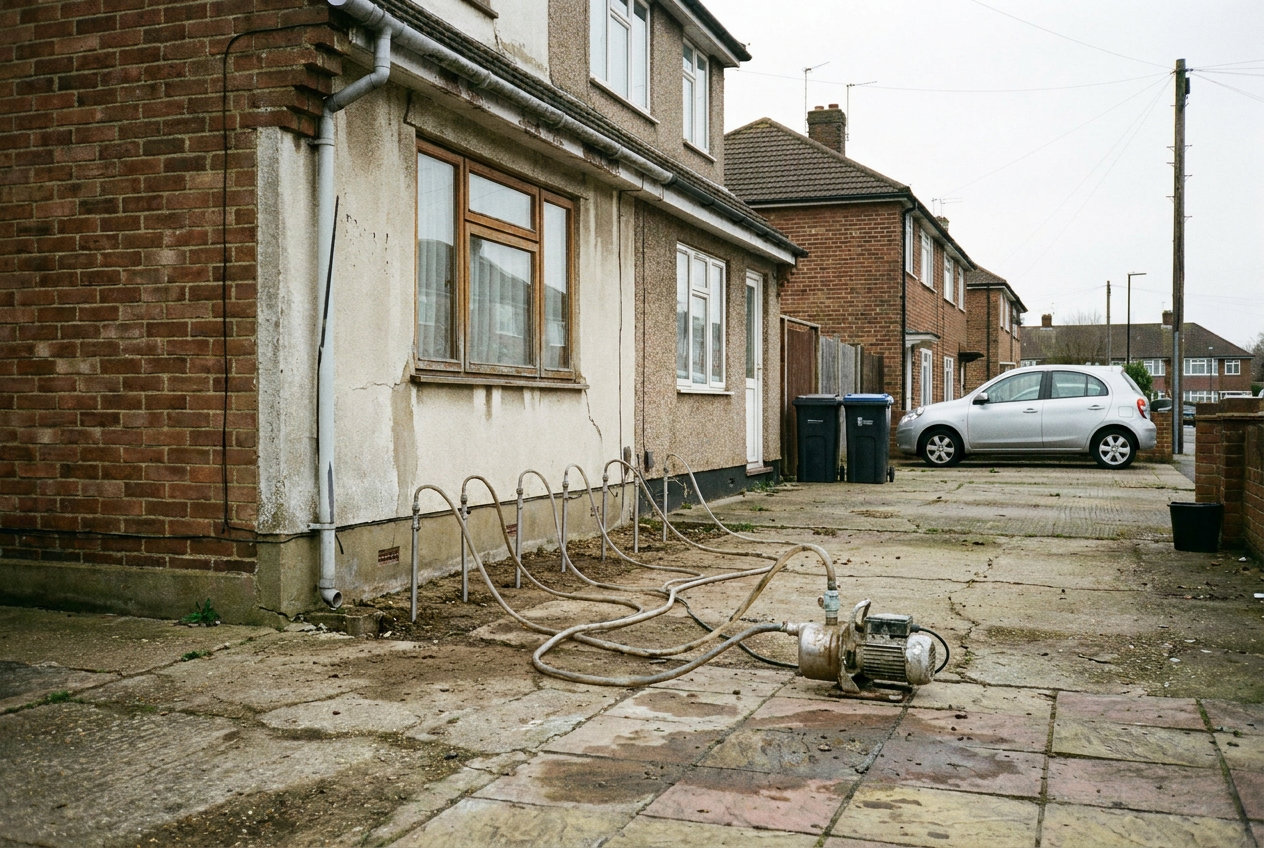
Resin injection stabilises loose or weak ground without excavating it. A specialist firm drills small holes through the floor slab or alongside the foundation and pumps expanding resin into the soil below. The resin fills voids, compacts soft material and can lift a sunken floor back towards its original level.
It suits situations where traditional underpinning would be too disruptive or where the problem is localised. A cracked concrete floor slab in a garage or kitchen extension, for example, might be treated this way. It is also used where access is restricted and heavy machinery cannot reach the site.
Resin injection is not appropriate for every case. If the underlying cause is a major drain failure or deep clay shrinkage, injecting resin treats the symptom rather than the problem. The specialist firm assesses the ground conditions first and recommends it only where the soil type and the scale of movement make it viable.
Does my insurance cover subsidence?
Most standard buildings insurance policies include subsidence, but the details vary widely. Policies typically carry an excess for subsidence claims, often higher than for other types of damage. Some exclude certain causes entirely, such as movement resulting from coastal erosion or poor original construction.
When a homeowner reports suspected subsidence, the insurer usually appoints a loss adjuster to investigate. The loss adjuster coordinates with specialist firms to determine the cause and scope of repairs. Homeowners can also commission their own investigations, but the insurer must agree to fund any recommended work before it begins.
Delays often happen during the monitoring phase, since insurers wait for the data before authorising expenditure. Keeping records of when cracks appeared, how they changed and any relevant plumbing or drainage work helps the process. The policy document itself sets out what is covered and what the homeowner must do to make a valid claim.
Signs your home might be moving
Movement shows itself gradually. You notice things that were straight no longer lining up, or gaps appearing where walls meet frames. These signs do not confirm subsidence, but they are reasons to look closer.
- 1
Diagonal cracks in brickwork
Cracks running at an angle through mortar joints, often wider at one end, suggest differential movement in the wall.
- 2
Doors and windows sticking
Frames distort when walls shift. A door that jams in summer but frees in winter may point to seasonal ground movement.
- 3
Gaps around window frames
Separation between the frame and the masonry indicates the wall has moved away from its original position.
- 4
Sloping floors
A floor that visibly dips or causes objects to roll suggests the ground beneath the slab or joists has settled unevenly.
- 5
Cracks in interior plaster
Stepped cracking following blockwork behind the plaster, rather than random hairlines, often mirrors external movement.

Questions about subsidence in Barnet
These come up repeatedly from homeowners dealing with cracks and movement across the borough.
- Is London clay the main cause?
- London clay shrinks when dry and swells when wet. Much of Barnet sits on it, making clay-related movement the most frequent cause of subsidence here.
- Can a leaking drain cause this?
- Escaping water washes fine soil particles away, leaving voids beneath foundations. Older clay drainage pipes in Barnet are prone to fracturing.
- Do trees always make it worse?
- Roots extract moisture from clay, causing shrinkage. But removing a tree can also cause heave as the clay reabsorbs water. Specialists assess each case individually.
- Are older homes more at risk?
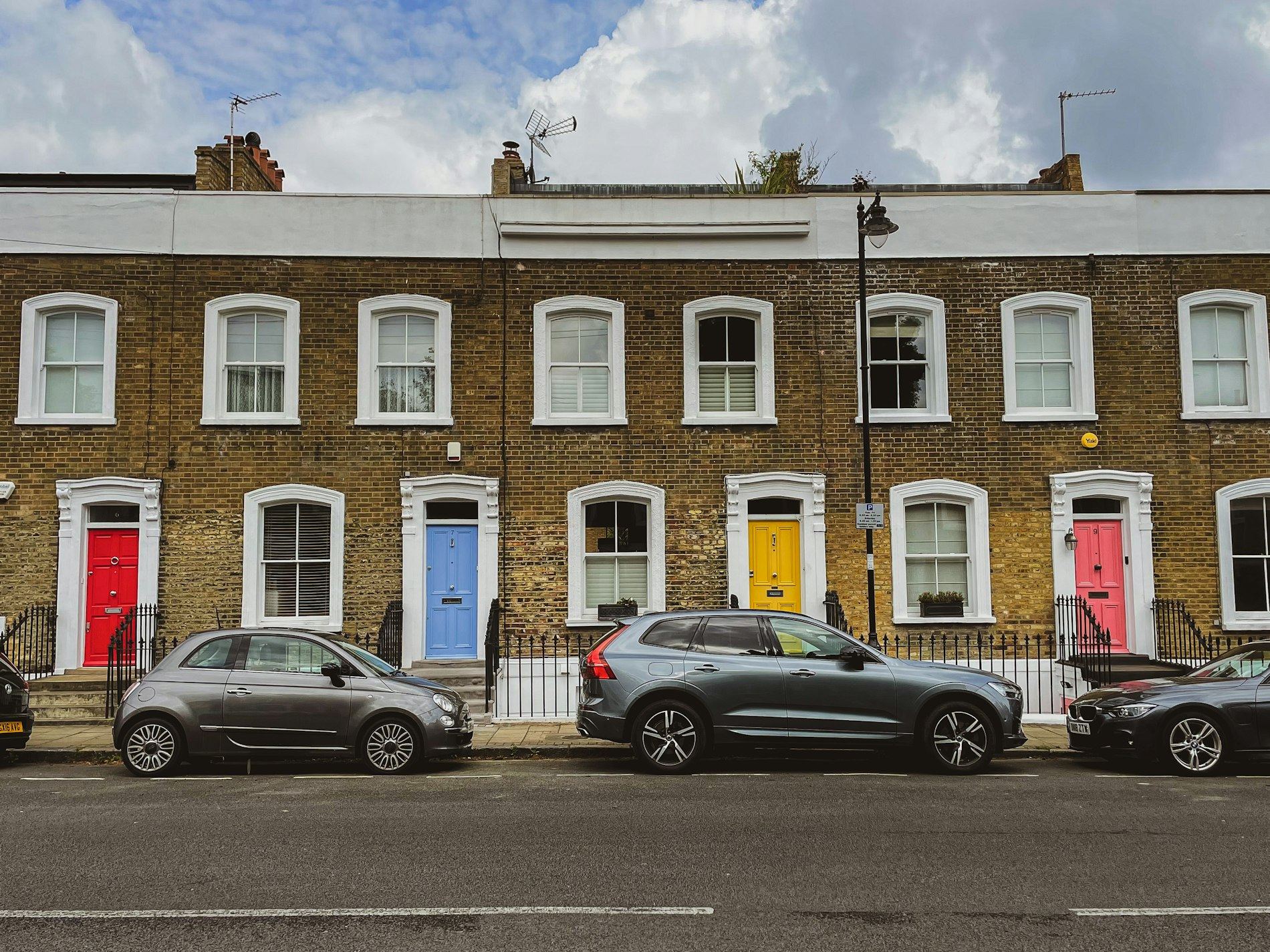
- Victorian and Edwardian houses often have shallow foundations that sit within the zone affected by seasonal moisture changes in the clay.
- What about screw piling?
- Screw piles bypass weak surface soil and transfer the building load to stable ground deeper down. They are used where traditional underpinning is impractical.
- Why monitor cracks before repairing?
- Monitoring reveals whether movement is ongoing or historic. Repairing too early means the fix may fail if the ground continues to shift.
Ask a subsidence specialist about your home
Describe what you have noticed and where. The details go to a specialist firm covering Barnet who will respond with what to do next. Sending this does not commit you to any work.
- No obligation
- Local specialists
- Free initial advice