Describe what you have seen
Whetstone, Barnet
Subsidence in Whetstone: reading your cracks
A crack near the side return or where an extension meets the main house can be hard to read. You describe what you have noticed at your home and a subsidence specialist takes it from there.
- Cracks assessed on site
- Causes identified clearly
- Repairs scoped to the ground

How specialists address movement in Whetstone homes
The right repair depends on the soil, the depth of the existing footings and how far the walls have shifted. A specialist examines all three before proposing any work.
-

Subsidence Help
A subsidence specialist visits the home, records the damage and determines whether the movement is active or historic before recommending next steps.
-
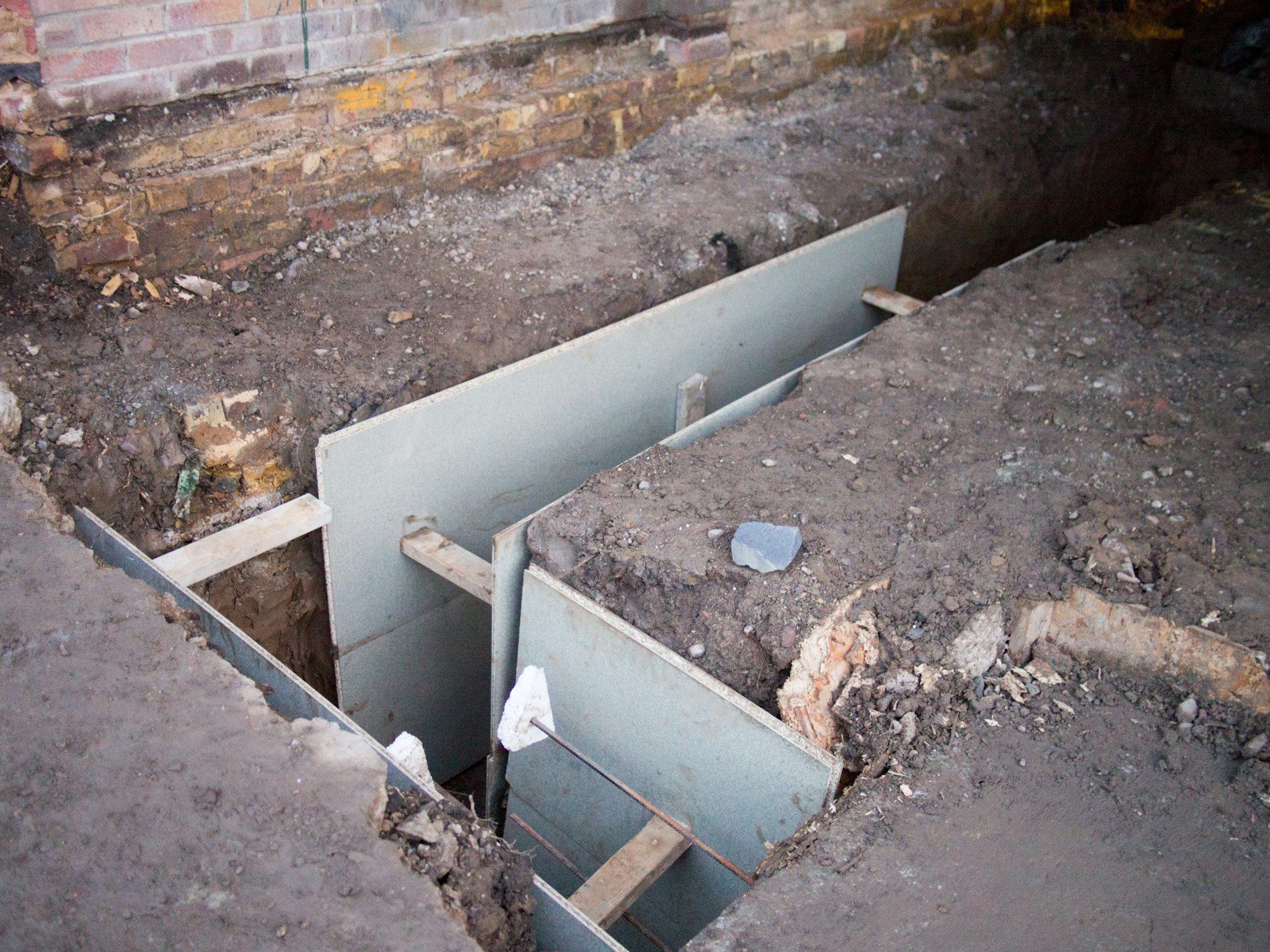
Underpinning
A foundation contractor excavates below the existing footings and pours new concrete sections to transfer the load of the house to stable ground.
-
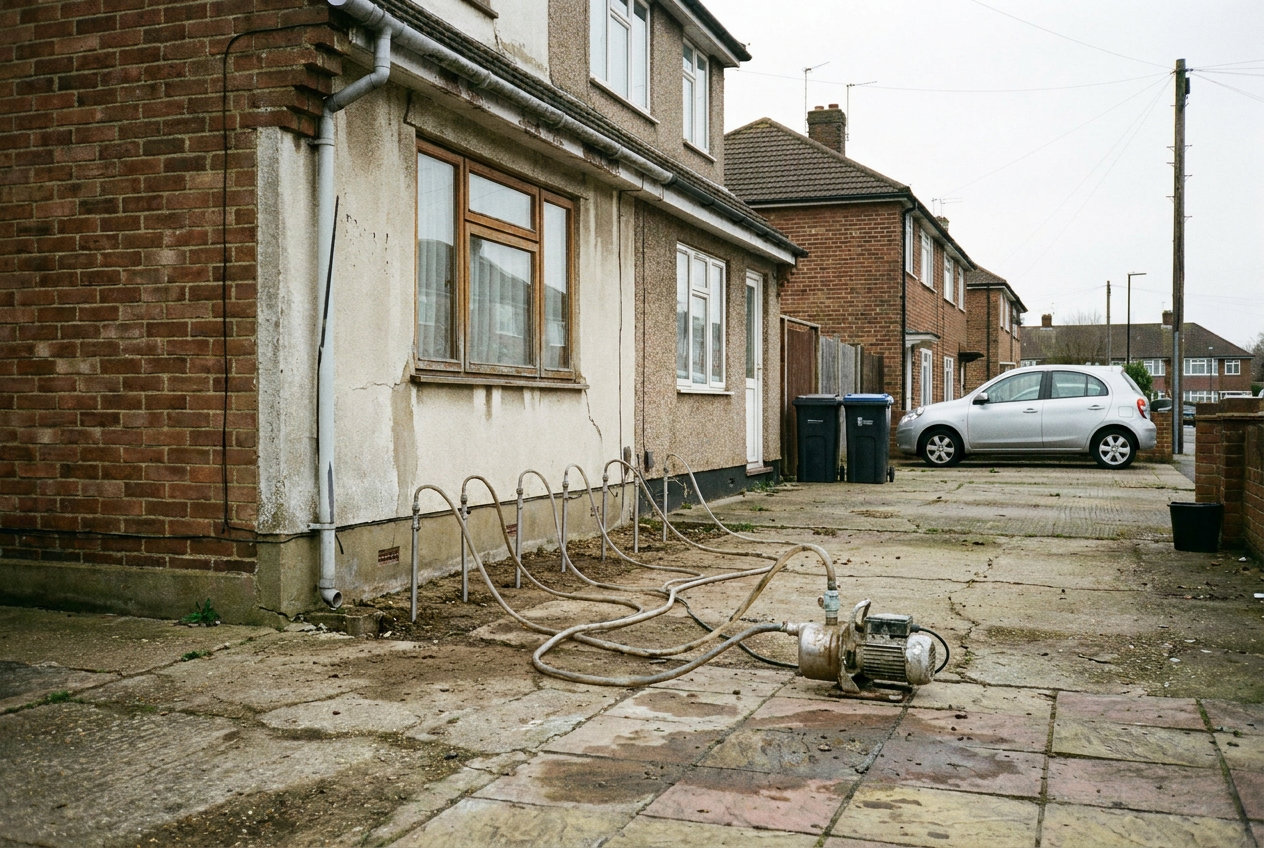
Resin Injection
A ground engineering firm pumps expanding resin beneath shallow foundations to compact loose soil and lift settled brickwork back toward its original level.
-
Concrete Cracking
A structural repair specialist assesses cracked floor slabs, identifies whether moisture loss or heave caused the break and stabilises the concrete.
-
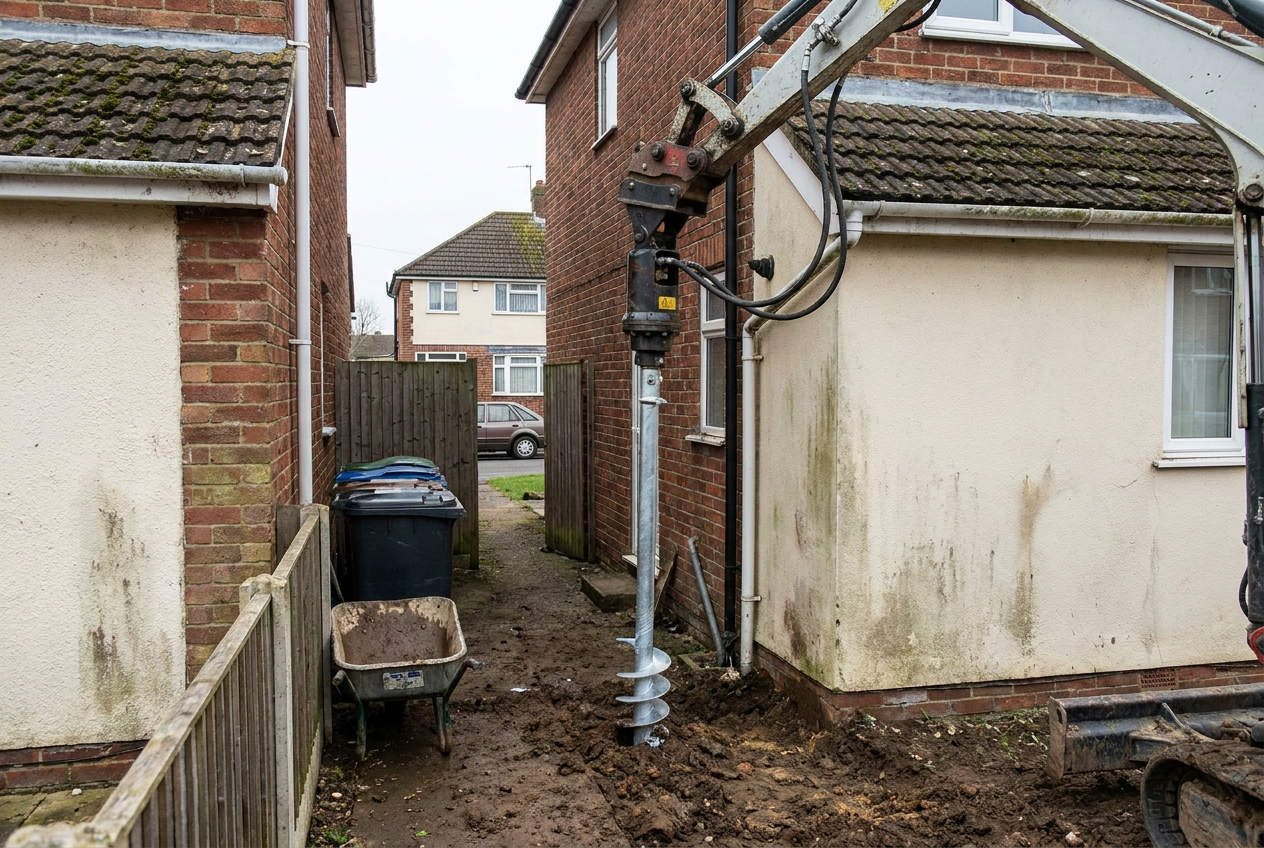
Screw Piling
A piling contractor drives steel helical piles through unstable clay into firmer strata so the house rests on deep supports rather than shallow strip footings.
Local ground conditions
Why houses move along and behind the High Road
Whetstone sits on London Clay, and decades of building have left a mix of shallow Victorian footings and later additions that respond differently to the same soil.
- London Clay shrinking and swelling The clay beneath Whetstone expands when wet and shrinks during dry spells. This seasonal change pulls shallow foundations downward and pushes them back up again.
- Side extensions pulling away Later additions often sit on shallower footings than the original house. The join between old and new masonry cracks first because the two masses settle at different rates.
- Tree roots drawing moisture Mature trees along residential streets extract large volumes of water from the clay. The soil contracts around the roots and the nearest wall drops with it.
- Leaking drains washing out soil A fractured clay pipe under the garden saturates the ground or washes fine particles away entirely. Both leave the footing above without adequate support.
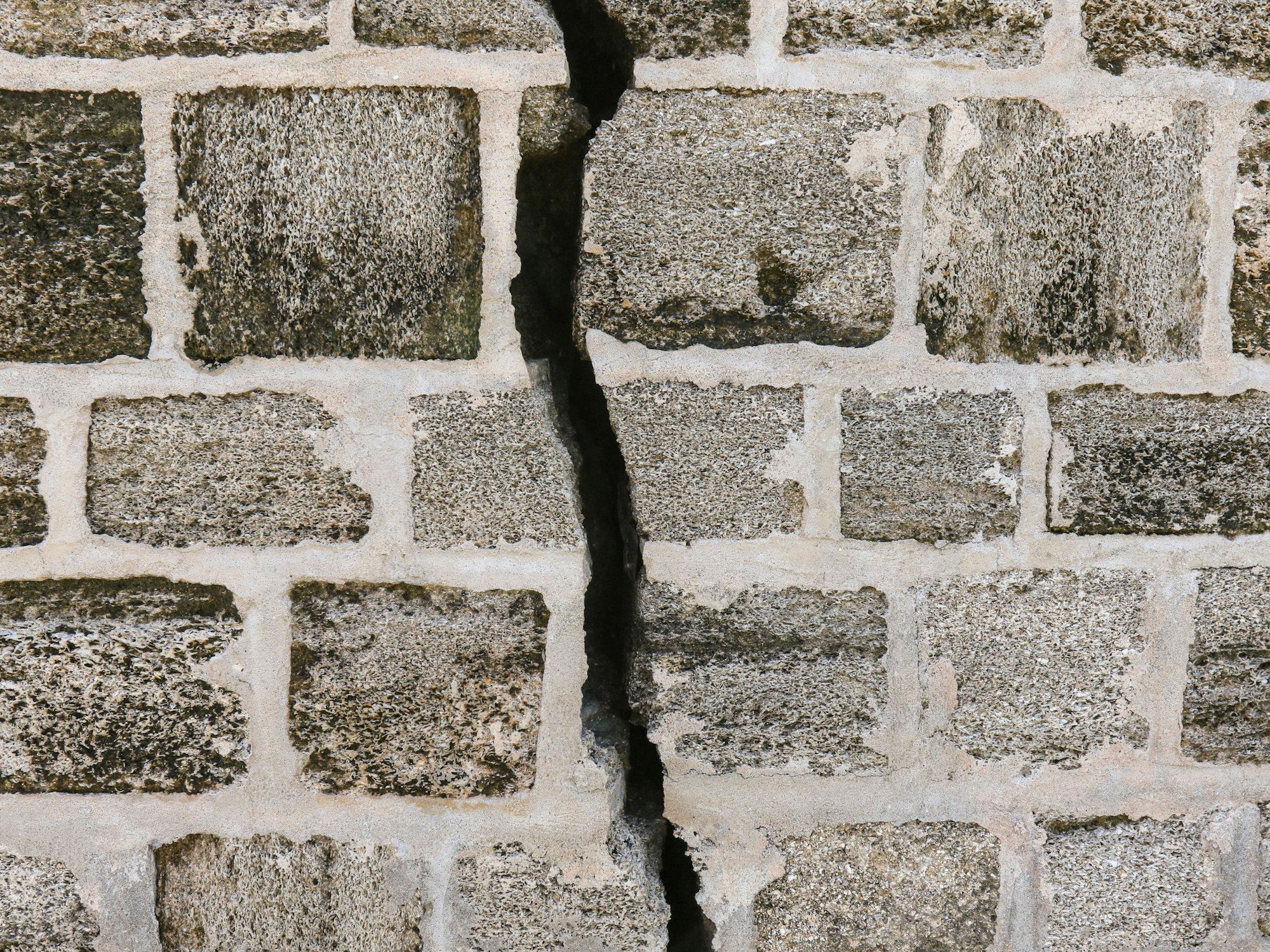
Reading the signs at your home
Each type of movement leaves a distinct pattern in the brickwork, plaster or floors of a house.
- Diagonal cracking at corners
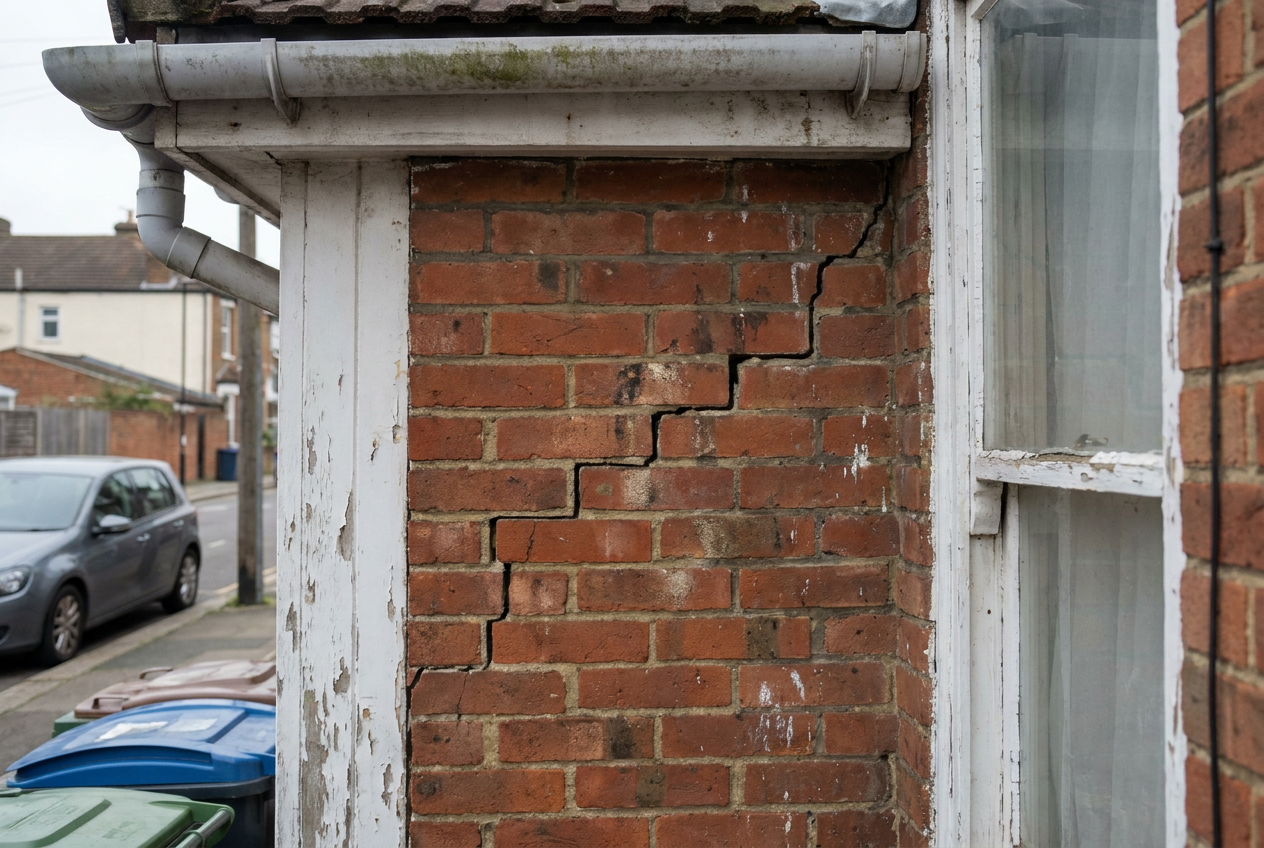
- Tapering cracks running from a window corner toward the eaves usually indicate one section of the wall has dropped lower than the rest. A specialist measures their width over time.
- Gaps opening at extension joints
- A vertical crack where a rear addition meets the main house shows the two structures are moving independently. Monitoring tells a specialist whether the gap is still widening.
- Doors and windows sticking
- Frames distort when the surrounding wall shifts. If a door that always closed freely now jams, the timber has moved with the masonry around it.
- Sloping floors in older terraces
- Period homes along the High Road were built on shallow footings. Decades of clay movement tilt the floors gradually, often noticeable only when a ball rolls across the room.
- Cracked concrete ground floors
- A slab laid directly on fill material sinks as the ground beneath it consolidates. Repair firms assess whether the slab needs lifting or replacing entirely.
Subsidence help across the borough
Specialist firms cover every part of Barnet. Whether a house stands on the ridge at Mill Hill or the clay slopes near Cockfosters, the same process applies: inspect, monitor and repair according to the local ground.
- Whetstone
If your street is not listed, send an enquiry anyway. Coverage extends throughout the borough.