Mill Hill, Barnet
Subsidence in Mill Hill: hills, clay and cracks
Homes on the slopes around Mill Hill sit on London clay that shrinks and swells with the seasons. A crack in the brickwork or a sticking door might mean the ground beneath is moving. Describe what you have noticed so a specialist can assess it.
- Specialists who know local ground
- No obligation to proceed
- Clear explanation of next steps

Describe what you have seen
What a subsidence specialist can do for your home
Each method suits different ground conditions and building types. A specialist will determine which approach fits the movement they find at your home in Mill Hill.
-
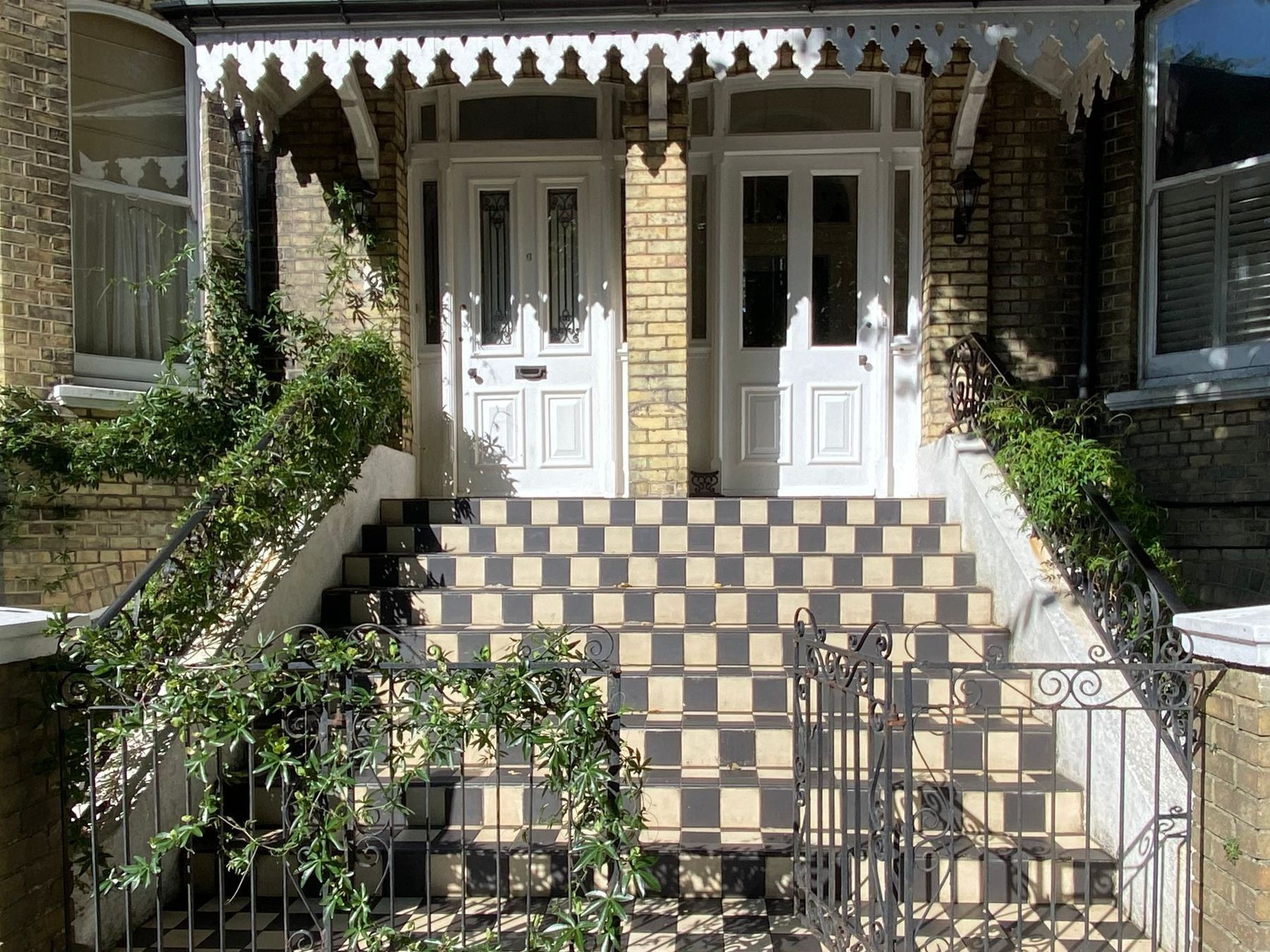
Subsidence Help
A specialist inspects the cracks, checks the soil and drainage, and determines whether the movement is ongoing or has stopped.
-

Underpinning
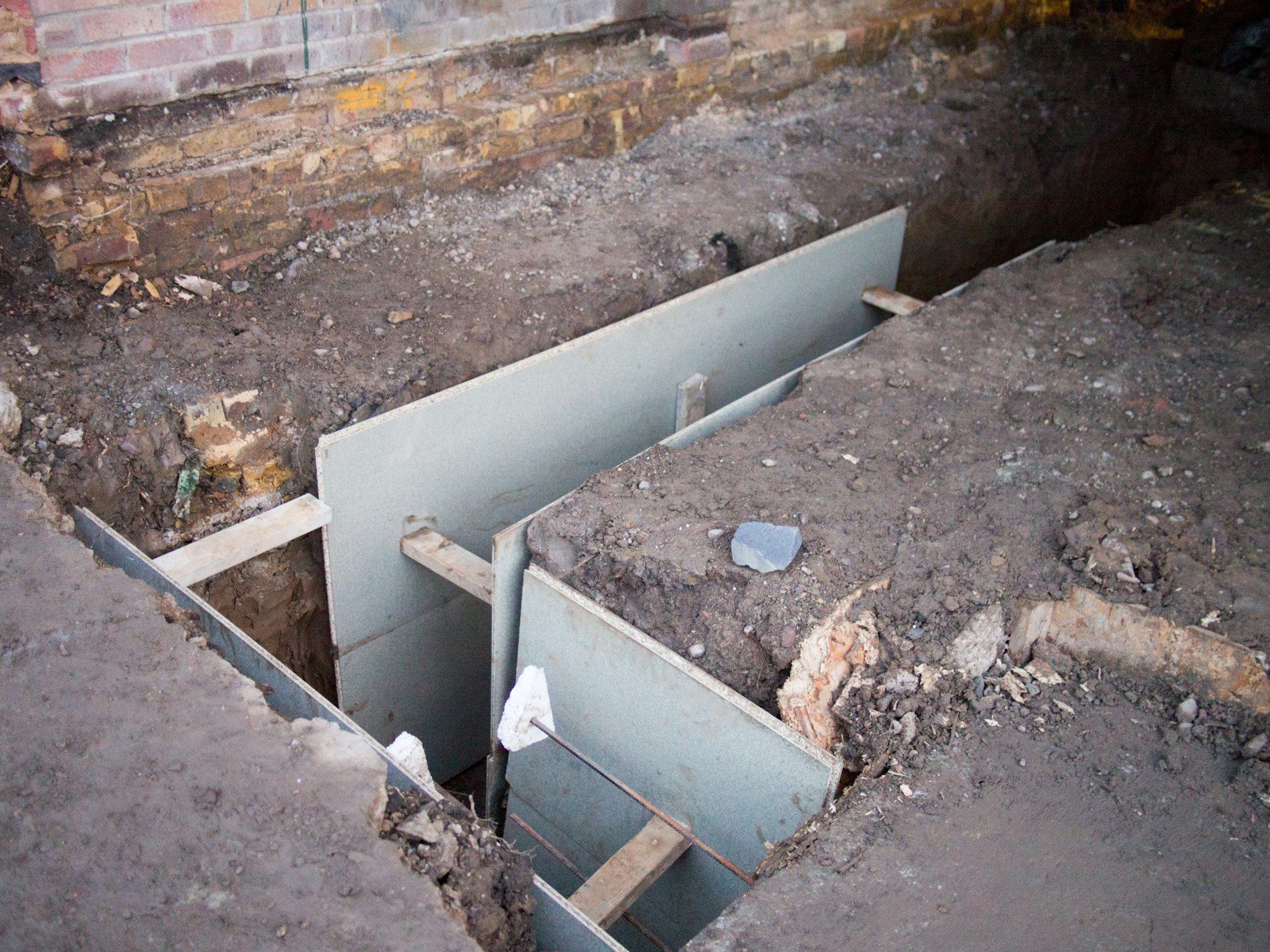
A contractor excavates below the existing foundations and pours new concrete to transfer the load to stable ground beneath the clay.
-
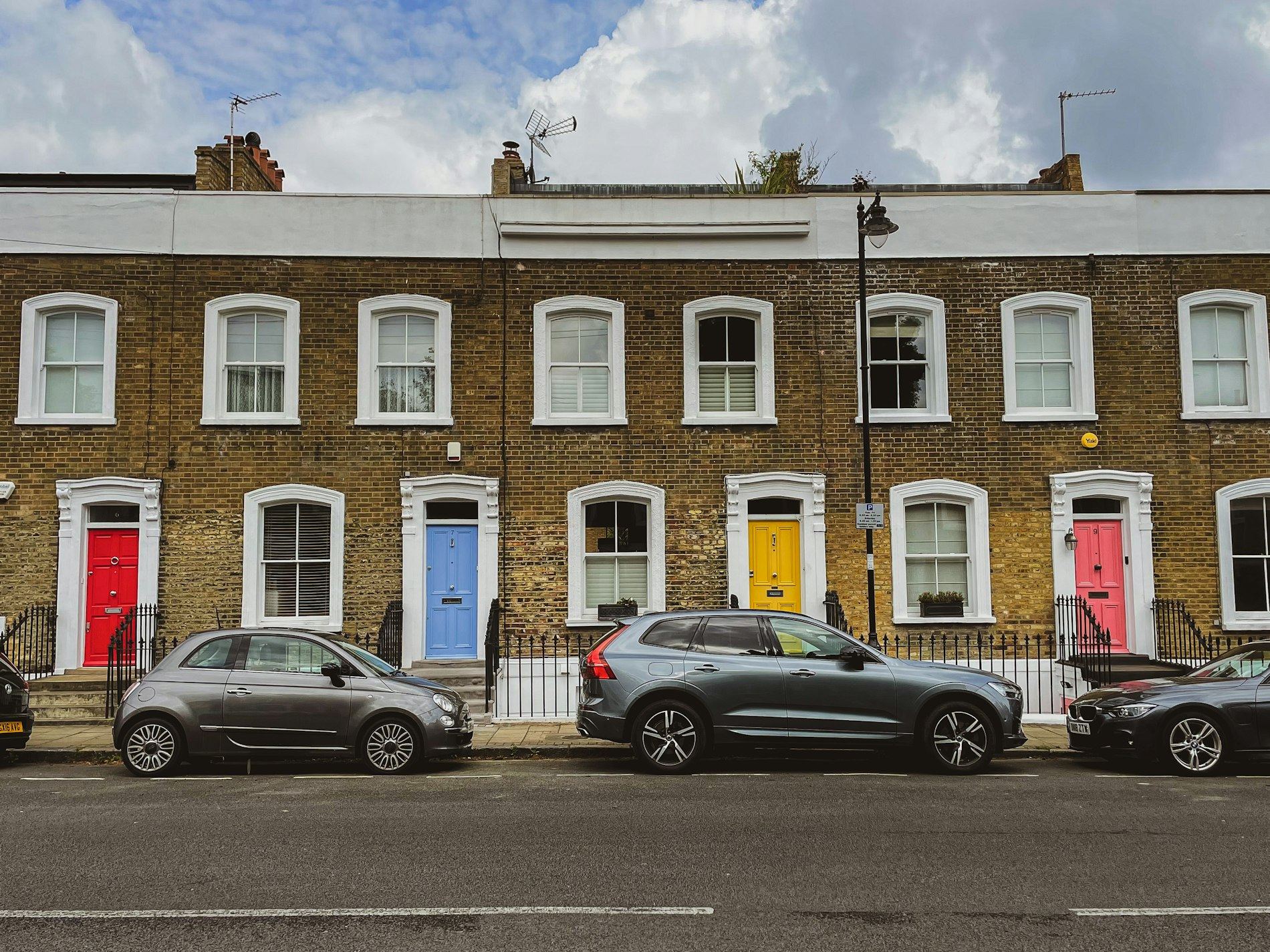
Resin Injection
A specialist pumps expanding resin into the soil beneath the footing to fill voids and compact loose ground without full excavation.
-
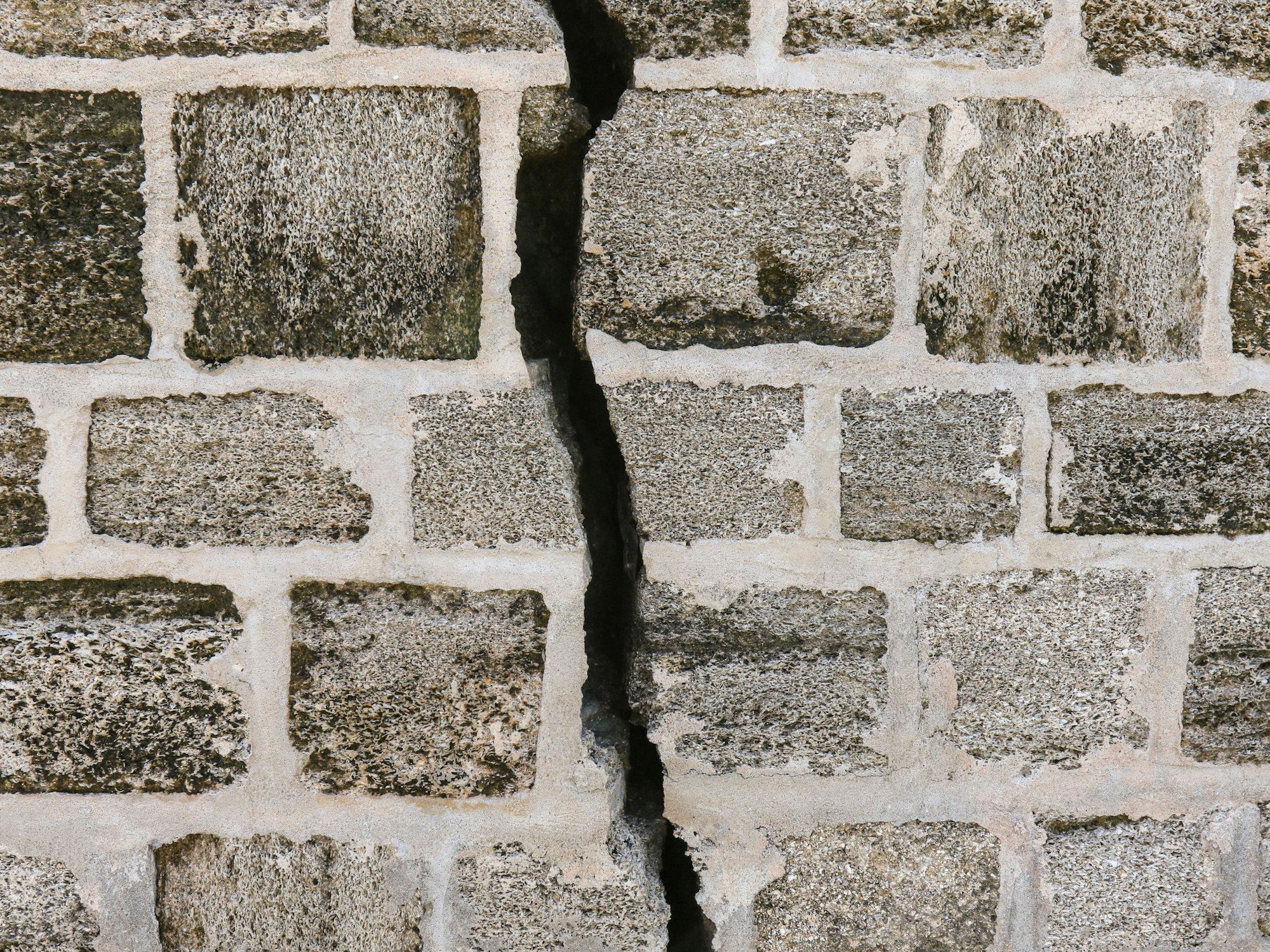
Concrete Cracking
A contractor assesses cracked floor slabs to establish whether the damage stems from settlement, heave or thermal movement.
-
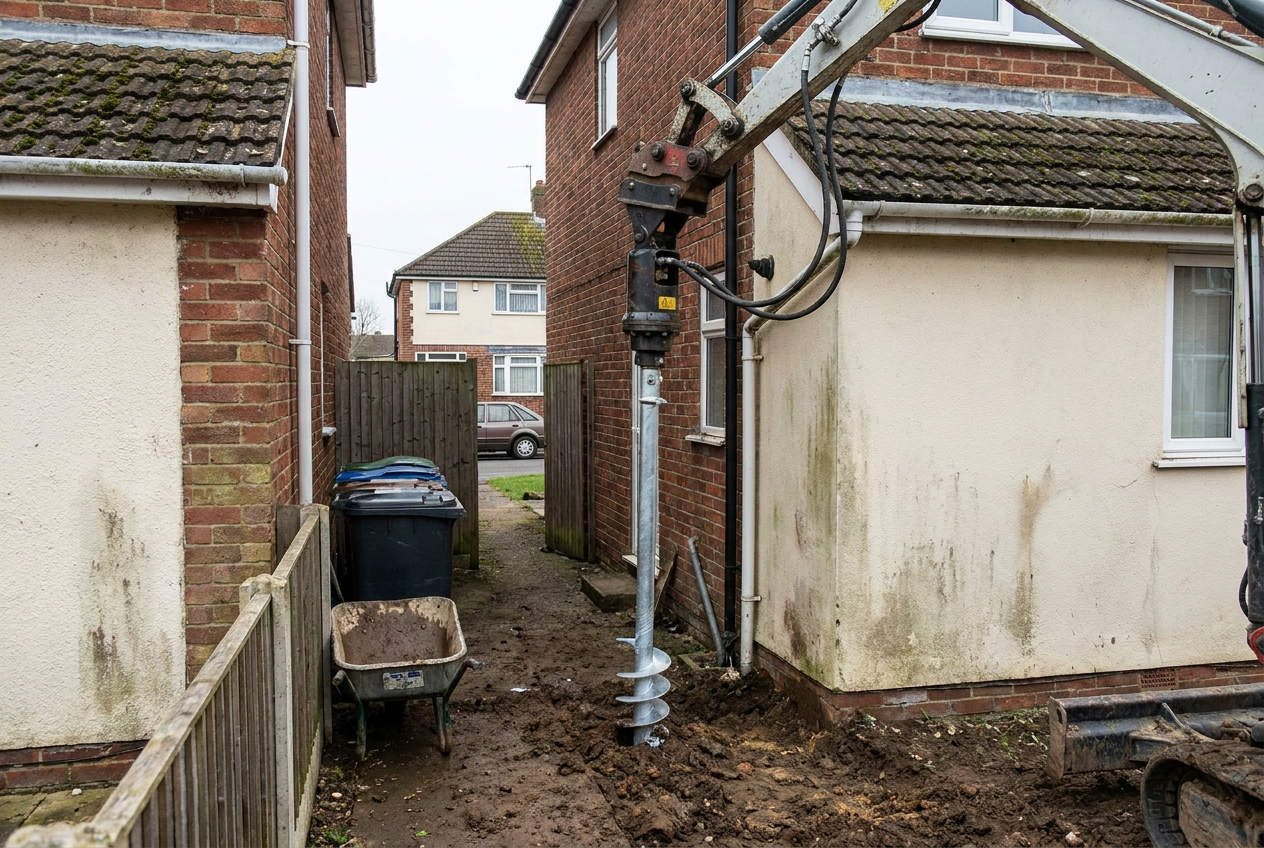
Screw Piling
A piling firm drives steel helical piles through unstable layers to reach load-bearing strata deep below the surface.
Why houses on Mill Hill slopes develop cracks
The higher ground around Mill Hill drops away toward brook valleys. London clay sits beneath much of it, shrinking in dry summers and swelling after heavy rain. Houses built at different times settle at different rates, and large garden trees draw moisture unevenly from the soil.
- 1
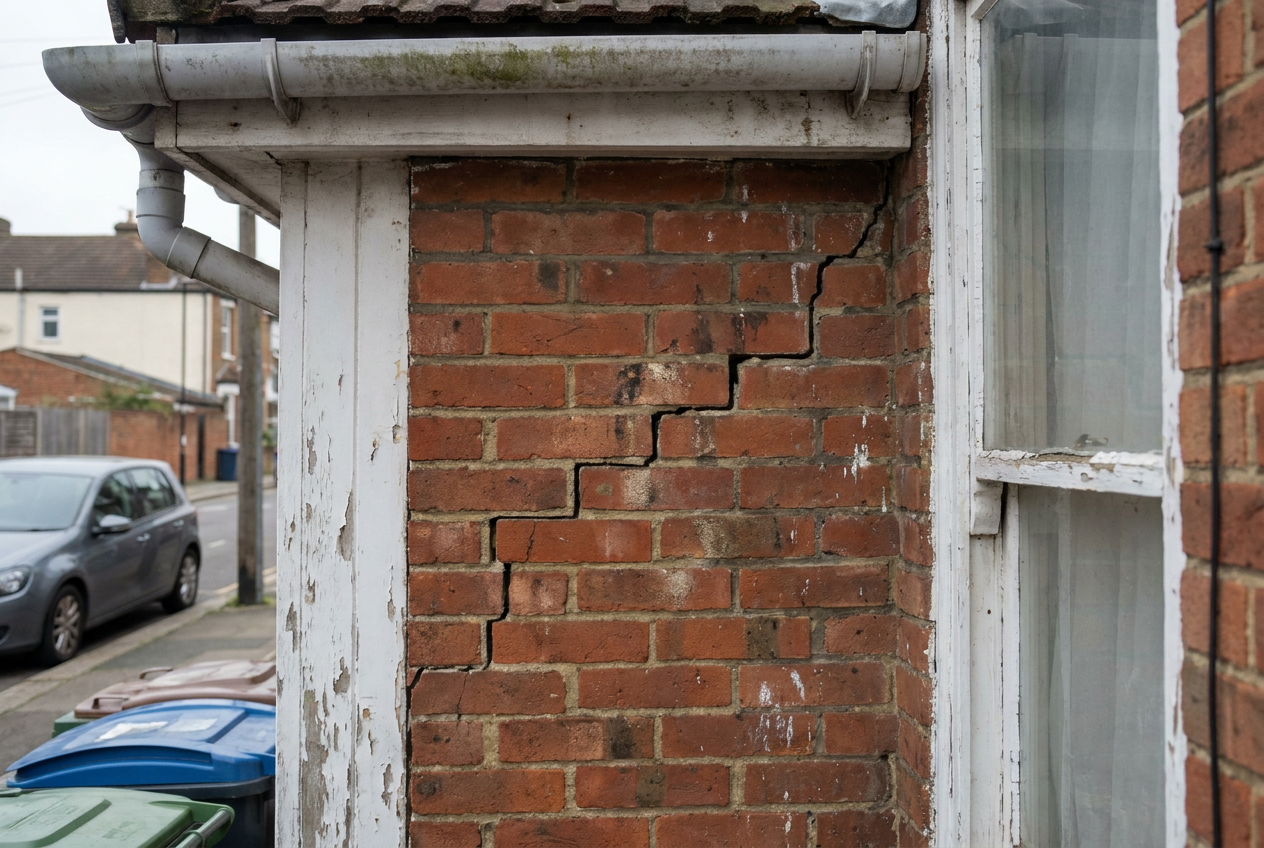
Diagonal cracks near windows
Tapering cracks running from a window corner toward the roofline often indicate one side of the wall is sinking faster than the other.
- 2
Doors catching on frames
A door that suddenly sticks or swings open on its own suggests the frame has distorted because the wall around it has shifted.

- 3
Gaps at skirting boards
A visible space between the skirting and the floor means the wall has moved independently of the slab beneath it.
- 4
Cracks where extensions meet
A widening gap along the join between an older house and a newer extension shows the two structures are settling differently.
Local factors
Ground conditions that affect Mill Hill homes
- London clay shrinkage
- The clay beneath Mill Hill loses volume during dry spells. Foundations resting on this soil drop as the ground contracts, opening cracks in the walls above.
- Sloping plots
- Houses built partway down a hill experience uneven pressure. The downhill side often moves first, tilting floors and distorting door frames.
- Mature garden trees
- Large trees on generous Mill Hill plots extract thousands of litres of water from the clay each summer, drying the soil directly under nearby footings.
- Mixed housing ages
- Victorian villas and 1930s semis sit alongside newer builds. Older homes often have shallower foundations that react more quickly to changes in soil moisture.
- Drainage leaks
- A fractured underground pipe washes fine particles out of the soil. The resulting void allows the foundation above it to sink.
Areas covered across Barnet
Enquiries are taken from homeowners throughout the borough. Specialist firms operate in every neighbourhood where London clay and sloping ground cause foundation movement.
If your street is not listed, send an enquiry anyway. Coverage extends across the whole borough.
Tell someone about the cracks in your home
The details you provide go to a specialist who handles subsidence in Barnet. Sending an enquiry does not commit you to any work or payment. It starts a conversation about what the movement means.
- No cost to enquire
- No commitment required
- Local knowledge applied