Hampstead Garden Suburb
Subsidence in Hampstead Garden Suburb: cracks and consent in Hampstead Gdn Suburb
Houses here sit on London clay beneath mature trees, and any repair must respect strict rules on external changes. Find out what cracking means for your home and how specialists work within those constraints.
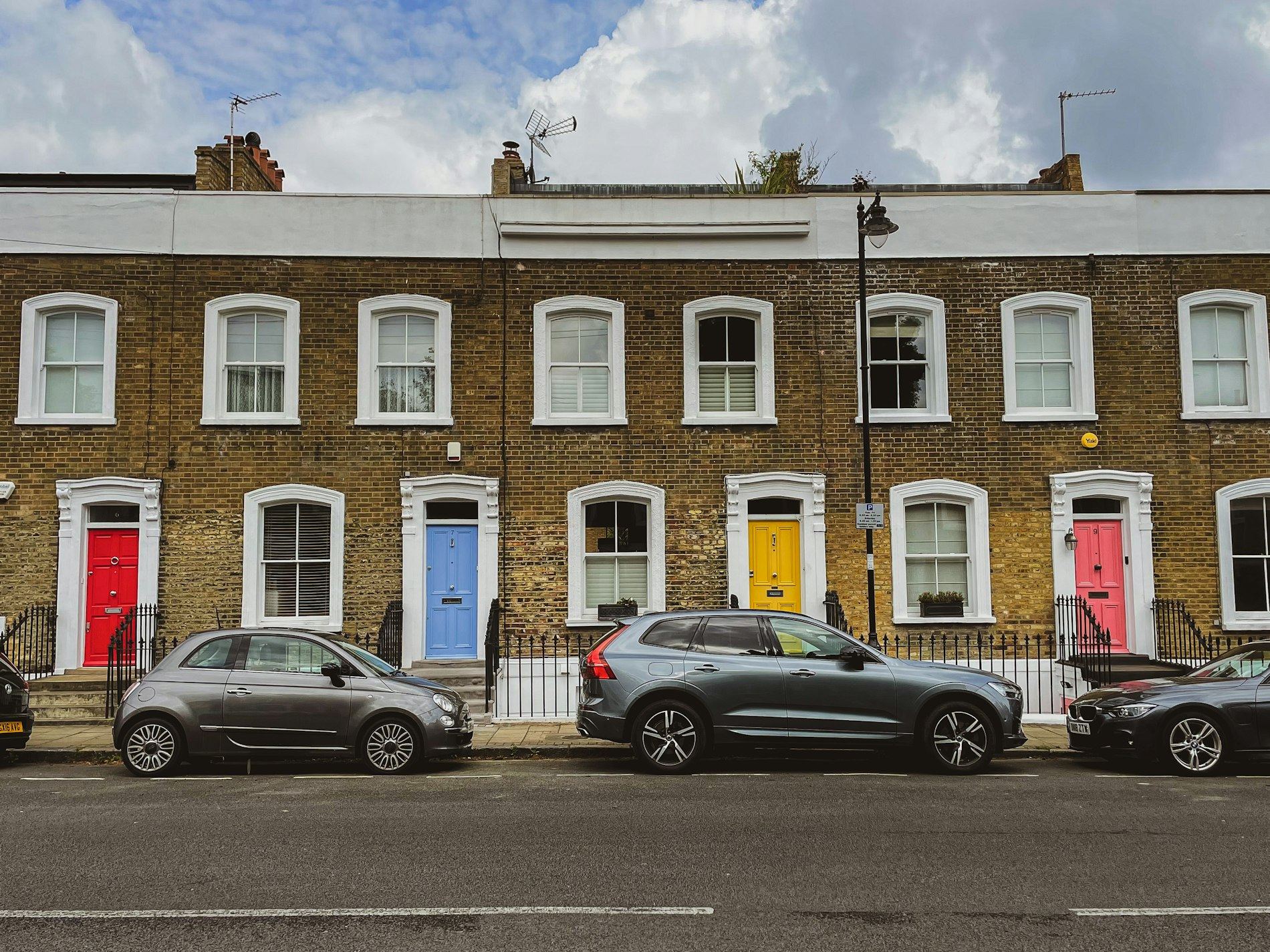
Cracks appearing around your home
Movement in the ground beneath a house shows up first as cracks or sticking doors. In streets with large established trees and heavy clay soil, these signs often appear slowly over months or years.
- 1
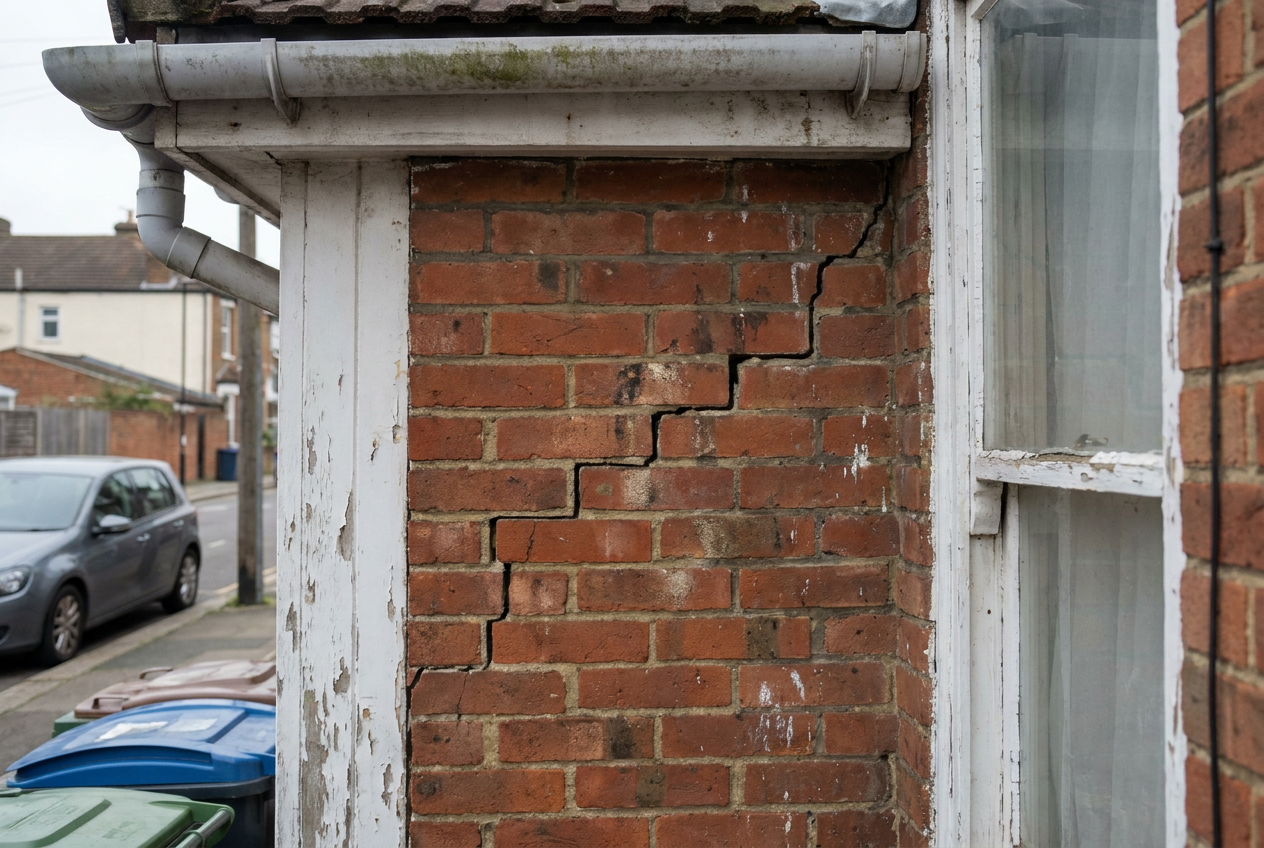
Diagonal cracks near windows
A crack wider at one end than the other, running from a window corner towards the ceiling. It can indicate uneven movement below.
- 2
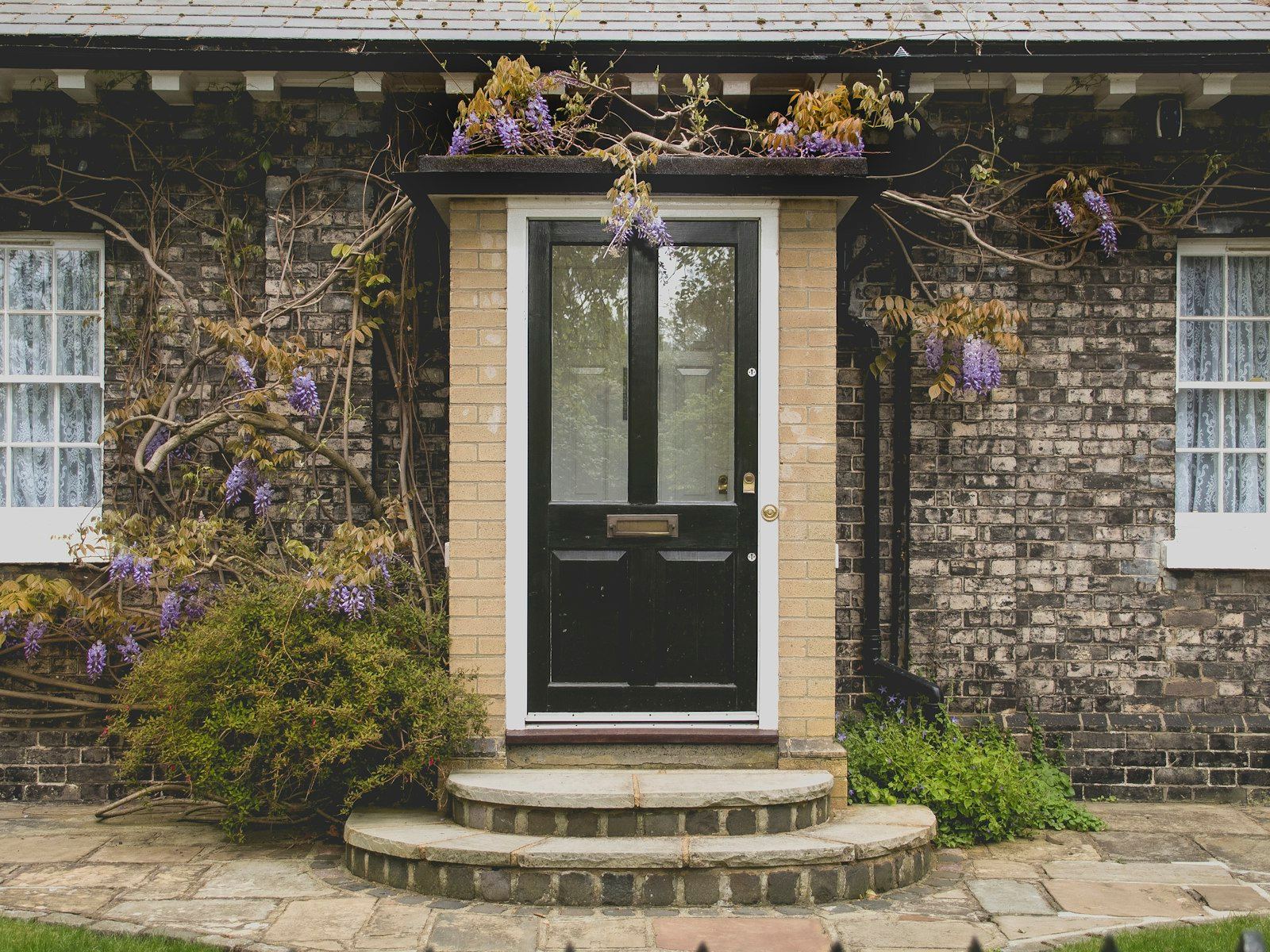
Doors that stick or jam
A door that used to close freely now catches on the frame. The opening may have shifted slightly out of square.
- 3
Gaps around skirting boards
A visible space between the bottom of the wall and the skirting. This sometimes happens when floor levels shift relative to walls.

- 4
Cracks reopening after decorating
Fresh filler splitting again within weeks. Repeated cracking suggests the underlying movement has not stopped yet.
Conservation area rules
Repairing foundations under strict controls
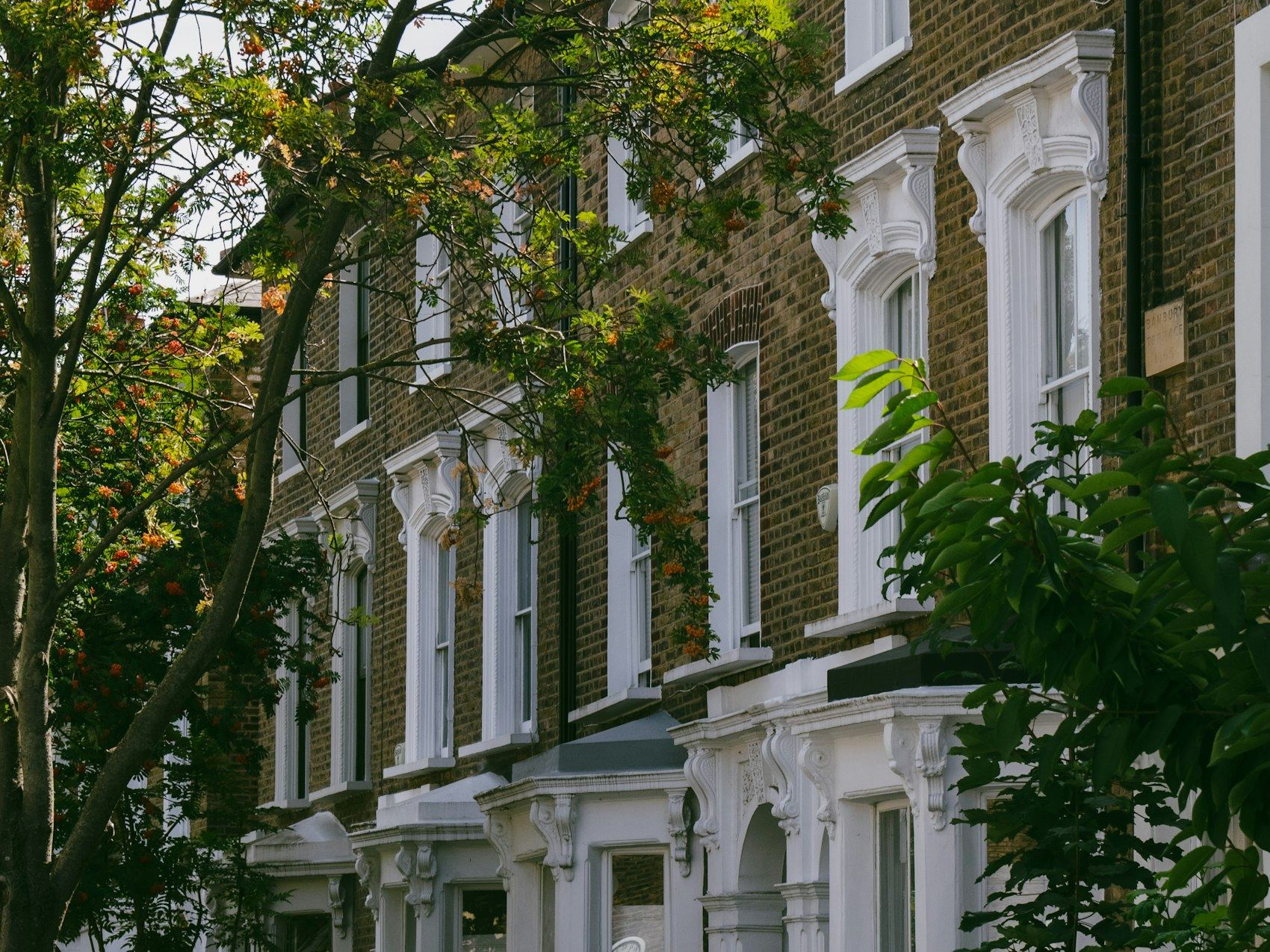
Hampstead Garden Suburb requires consent for many external alterations. A specialist firm must design repairs that satisfy both structural needs and the trust managing the estate's appearance.
London clay shrinks when tree roots extract moisture during dry summers. Mature oaks and planes along these streets draw water from deep below the foundations.
Before any repair begins, a structural engineer monitors crack widths over several months. Readings confirm whether the ground is still moving or has settled.
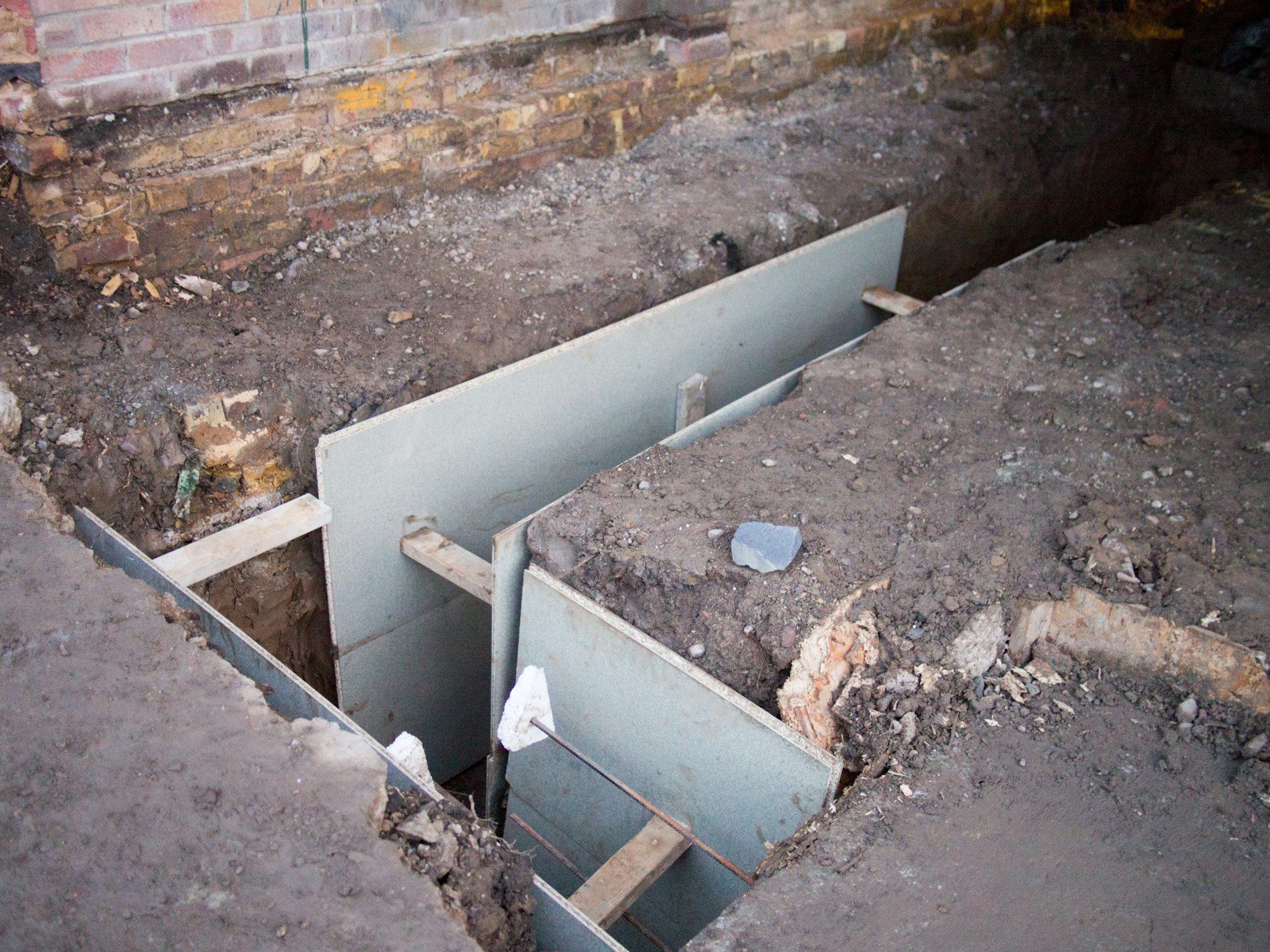
Drainage leaks wash fine soil away from shallow footings. Older pipes beneath these houses can fracture silently, creating voids that allow walls to drop.
Areas covered around Barnet
Enquiries are taken from homeowners across the borough. Specialist firms operate throughout these neighbourhoods, including the conservation areas and estates where ground conditions vary street by street.
If your road is not listed, send an enquiry anyway.
Ask about your home
Describe what you have noticed and where it is happening. The details go to a specialist firm who will respond directly. Sending an enquiry does not commit you to any work.
- No obligation
- Direct response
- Local knowledge