Areas covered
Areas covered around Barnet for subsidence help
Every neighbourhood in the borough sits on its own mix of clay, fill and slopes. Find out what causes homes to crack where you live, and what a specialist firm can do about it.
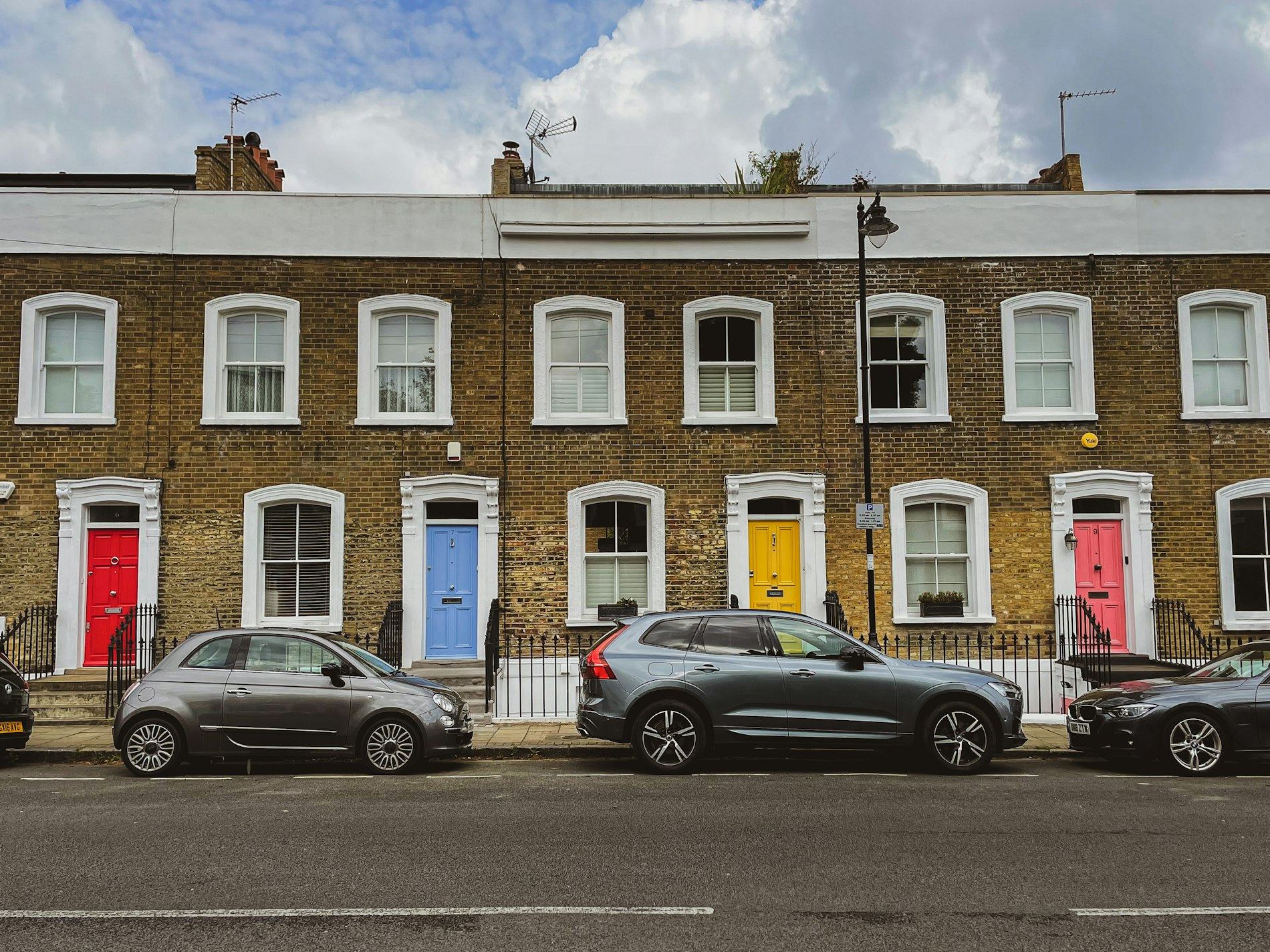
Finchley, Hendon and Golders Green
These three areas share deep London Clay, which shrinks when the weather is dry and swells when it rains. Victorian terraces in Finchley were built with shallow foundations that sit directly on this moving ground. A specialist underpinning firm can excavate below the active clay layer to reach stable soil.
Hendon grew fast between the wars, so many semis there have similar footing depths but slightly different brickwork. Cracks in interwar plaster often follow the mortar joints rather than cutting through them. Golders Green has a mix of period houses and converted flats, each reacting differently to seasonal ground movement.
Tree roots from mature street planes and garden willows extract moisture from the clay all summer long. When a root system grows close enough to a wall, the soil beneath it dries out faster than the rest. A specialist surveyor will map the trees before recommending any work.
Edgware, Burnt Oak and Colindale
Much of Edgware was built up in the 1930s, when developers laid estates over former fields and old brick pits. Some streets sit on made ground where clay was dug out for bricks decades earlier. Houses on infilled pits settle unevenly because the loose fill compresses at different rates.
Burnt Oak shares this history. The 1930s estate homes here sometimes show diagonal cracking near the corners, where the walls meet the older, firmer ground beside the filled area. A resin injection contractor can stabilise loose soil without digging long trenches along the outside walls.
Colindale has seen heavy building in recent years. Older houses stand next to new blocks, and the excavation for deep foundations nearby can change how water drains through the local soil. If fresh cracks appear after building work starts on a neighbouring site, a structural engineer should record them while the movement is still happening.
Mill Hill, Totteridge and Cockfosters
Mill Hill rises and falls across several brook valleys. Homes on the slopes experience lateral ground movement as well as the usual vertical shrinkage. Retaining walls and stepped foundations behave differently from those on flat land, so a specialist piling firm might use screw piles to anchor a house into deeper, stable strata.
Totteridge has large plots with old trees. A single mature oak or lime can draw thousands of litres of water from the soil each week during summer. The drying effect reaches far beyond the trunk, pulling moisture from under distant walls. Managing the trees is often the first step before any repair begins.
Cockfosters borders ancient woodland, so gardens tend to be full of established roots. Cracks here frequently open in late summer and close again by spring. Monitoring these seasonal changes over several months tells a specialist whether the movement is ongoing or simply cyclical.
Whetstone, Cricklewood and Childs Hill
Whetstone follows the High Road, where terraces and semis share party walls. When one house moves, the stress transfers to the next. Bay windows are particularly vulnerable because they project forward on their own small foundations. A leaning bay usually means the soil under the front wall has dried out more than the soil under the main house.
Cricklewood contains many terrace conversions. Subdividing a house adds internal walls and extra load to floors that were never designed for it. Concrete floor slabs in garages and lower-ground rooms crack when the weight increases or when a leaking drain washes fine particles out from under the screed.
Childs Hill drops steeply toward the valley floor. Streets on the incline show stepped cracking along the mortar lines, following the slope of the ground. Drainage pipes laid down the hill can fracture as the earth shifts, letting water escape and softening the clay further.
Hampstead Garden Suburb and New Southgate
Hampstead Garden Suburb operates under strict planning rules that limit what can be altered externally. Any foundation repair must respect the original design of the streets. Specialist firms working here need to understand both the ground conditions and the conservation requirements before proposing a method.
The suburb was planned around mature trees, so root-related subsidence is common. The combination of protected trees and shrinkable clay means repairs often involve careful root management alongside structural support.
New Southgate has rows of Victorian terraces and later flat conversions. Many of these buildings have shallow strip footings that sit above the zone where clay stays wet all year. Leaking water mains under the road are a frequent cause of sudden movement here, because escaping water saturates the ground and then washes it away. A drain survey usually comes before any underpinning decision.
Tell us what you have noticed
Send details of the cracks or movement in your home. A specialist firm will read them and advise on the next step. There is no obligation to accept any work proposed.
- No cost to enquire
- Read by specialists
- No obligation
Areas Covered
- Finchley
Subsidence in Finchley affects Victorian terraces and the later semis nearby. See the usual causes locally, the cracks to watch for and what to do next.
- Hendon
Cracking in Hendon homes can point to subsidence, from interwar semis to terraces and conversions. Find out what the signs mean and which checks matter.
- Edgware
Subsidence in Edgware shows up as new cracks in 1930s semis and later housing. Find out which signs point to ground movement and what checks come next.
- Colindale
Subsidence in Colindale affects houses and flats alike, including newer blocks on redeveloped land. Read what cracks can mean and which surveys help.
- Golders Green
Subsidence in Golders Green can show in Edwardian and interwar houses and in flats within them. See what cracks mean and who should look at them.
- Mill Hill
Subsidence in Mill Hill often shows on the slopes below the higher ground. See what new cracks and sticking doors can mean and what checks follow.
- Burnt Oak
Subsidence in Burnt Oak can affect 1920s and 1930s estate houses and later infill. Learn what widening cracks point to and which checks come first.
- Whetstone
Subsidence in Whetstone affects period terraces and later semis along and behind the High Road. Learn how to read cracks and what tends to happen next.
- Cricklewood
Subsidence in Cricklewood shows up in densely built terraces and flat conversions. Learn which cracks matter, what causes movement and who to call.
- Childs Hill
Cracks in a Childs Hill terrace or semi? Read how sloping ground, clay and nearby trees cause subsidence, and which checks usually come first.
- Hampstead Gdn Suburb
Subsidence in Hampstead Garden Suburb needs extra care because alterations are tightly controlled. Learn what cracks mean and which checks come first.
- Cockfosters
Subsidence in Cockfosters often starts with mature garden trees on clay soil. See which cracks matter in interwar and post-war houses, and what follows.
- New Southgate
Subsidence in New Southgate shows in Victorian terraces, later semis and converted flats. Find the common causes of cracking and the checks that come next.
- Totteridge
Subsidence in Totteridge often shows on larger plots with mature trees, garden walls and outbuildings. What cracks to look for and the steps that follow.